

For centuries, medicine often treated the mind and the body as two separate entities. If you had a stomach ache, you went to a doctor; if you felt sad, you might have seen a priest or, later, a therapist. However, modern science has firmly established that this distinction is artificial. Your mind and body are not just neighbors; they are roommates living in the same studio apartment, constantly influencing each other’s state of being.
Understanding the deep connection between your mental and physical health is crucial for achieving true well-being. It explains why stress can make you sick and why a walk in the park can clear your head. By recognizing these links, you can take a more holistic approach to your health, treating the system as a whole rather than just its parts.
Here are seven profound ways your mental and physical health are intertwined, backed by science and physiology.
1. The Gut-Brain Axis: Your Second Brain
Have you ever felt “butterflies” in your stomach before a big presentation? That is the gut-brain axis in action. Your gastrointestinal tract is lined with a hundred million nerve cells, often referred to as the “second brain.” This system communicates directly with your actual brain via the vagus nerve.
When you are anxious or stressed, your brain sends chemical messengers to your gut, which can disrupt digestion, causing nausea, bloating, or inflammation. Conversely, an unhealthy gut biome—often caused by poor diet—can send distress signals to the brain, contributing to anxiety and depression. Maintaining a healthy diet rich in probiotics and fiber isn’t just good for your digestion; it’s a pillar of mental stability.
2. Chronic Stress and Immune Function
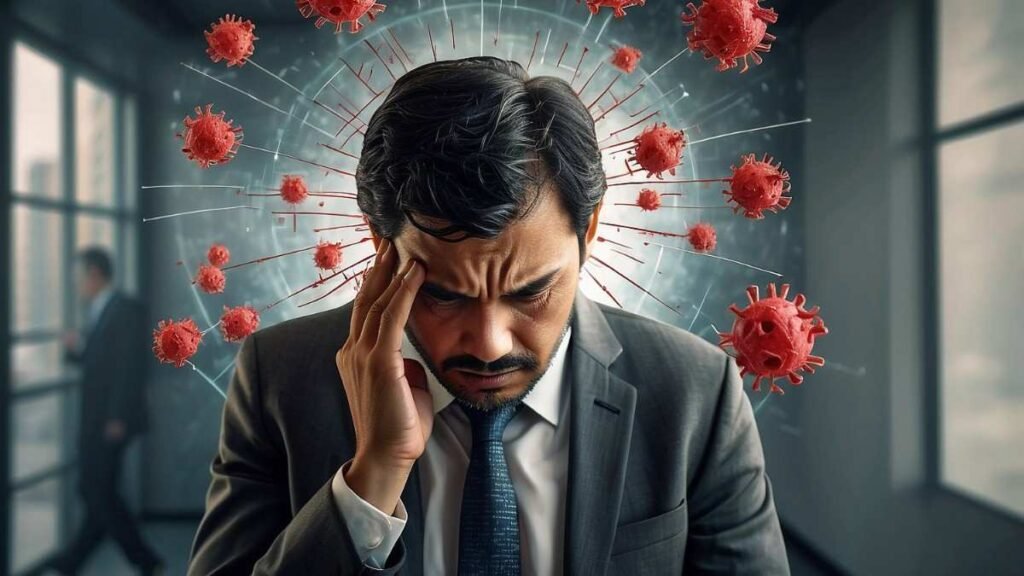
Your immune system is your body’s defense force, but your mental state acts as the general giving the orders. Short-term stress can actually boost the immune system (the “fight or flight” response), but chronic stress does the opposite.
When you are perpetually stressed or anxious, your body releases cortisol. Over time, elevated cortisol levels suppress the immune system, making you more susceptible to infections like the common cold or the flu. This is why you might find yourself getting sick after a particularly grueling week at work or during an emotional crisis. Managing your mental load is literally a form of disease prevention.
3. The Cycle of Chronic Pain and Depression
The relationship between pain and depression is one of the most well-documented examples of the mind-body connection. It is a vicious cycle: chronic pain can lead to depression due to a reduced quality of life and constant discomfort. However, depression can also physically lower your pain threshold, making existing pain feel more intense.
Neurotransmitters like serotonin and norepinephrine influence both pain and mood. When these chemical messengers are dysregulated, you might experience both physical aches and emotional lows simultaneously. Treating one often helps the other—physical therapy can improve mood, and psychological therapy can reduce the perception of pain.
4. Heart Health and Emotional Well-being
Your heart doesn’t just beat for love; it reacts to every emotion you experience. Intense emotions such as anger, anxiety, and grief have direct physiological impacts on the cardiovascular system.
Sudden, extreme stress can induce “broken heart syndrome,” a temporary condition that mimics a heart attack. On a more chronic level, long-term anxiety and hostility have been linked to higher blood pressure and an increased risk of heart disease. Conversely, positive mental states like optimism and happiness are associated with lower blood pressure and a reduced risk of cardiovascular events.
5. Skin Conditions and Stress Levels
Your skin is often a mirror of your mental state. If you have ever experienced a breakout during a stressful week, you know this to be true. The field of psychodermatology explores how the mind affects the skin.
Stress causes the body to release hormones like cortisol and adrenaline, which can increase oil production in the skin glands, leading to acne. Furthermore, stress can trigger or worsen inflammatory skin conditions such as eczema, psoriasis, and rosacea. Calming the mind through techniques like meditation or deep breathing can often lead to clearer, calmer skin.
6. Sleep Patterns and Cognitive Clarity

Sleep is the golden thread tying mental and physical health together. Physically, sleep is when the body repairs tissues and strengthens the immune system. Mentally, it is when the brain processes emotions and memories.
Mental health disorders like anxiety and depression are major disruptors of sleep, often leading to insomnia or restless nights. This lack of sleep then exacerbates the mental health issue, creating a feedback loop. Physically, sleep deprivation leads to fatigue, higher risks of obesity, and metabolic issues. Prioritizing sleep hygiene is a dual-action treatment that benefits both your mood and your physical vitality.
7. Exercise and Neurochemistry
Perhaps the most positive link between mind and body is the effect of physical activity on mood. When you exercise, your body releases endorphins, dopamine, and serotonin—often called “feel-good” chemicals. These are the same neurotransmitters targeted by many antidepressant medications.
Regular physical activity has been proven to alleviate symptoms of mild to moderate depression and anxiety. It also reduces levels of the body’s stress hormones. You don’t need to run a marathon to see benefits; even 30 minutes of moderate walking can significantly lift your spirits and improve your physical stamina simultaneously.
Moving Toward Holistic Health
These were the characteristics of a physically and mentally healthy person. Recognizing that your mind and body are deeply connected allows you to advocate for better healthcare solutions for yourself. If physical symptoms persist despite treatment, it may be worth exploring psychological contributors. Conversely, if you are struggling with mental health, looking at your diet, sleep, and exercise habits can be a game-changer.
Sometimes, professional guidance is necessary to untangle complex symptoms. Whether you need a nutritionist, a physical therapist, or a psychiatrist in Salt Lake City, seeking expert advice can help you address the root causes of your health concerns. By treating your mind and body as partners, you pave the way for a healthier, happier life.