
I’ve spent my fair share of time in the gym, trying to find the perfect balance between looking good and feeling comfortable while breaking a sweat.
Let’s face it—when you’re lifting weights, running on the treadmill, or in the middle of a high-intensity interval training (HIIT) class, the last thing you want is to feel like your clothes are holding you back. But what should you wear to the gym to make sure you’re not only comfortable but also performing at your best?
today, gym attire is all about three main principles: comfort, moisture management, and activity-specific support. Whether you’re hitting the weights or jumping into a cardio session, the right gym gear can make a world of difference. So, let’s get into the specifics of what to wear to the gym and make sure you’re fully equipped for your next workout.
What Makes Gym Clothes Comfortable and Effective?
When it comes to gym attire, comfort is key. But comfort doesn’t just mean choosing something that feels good—it also means wearing clothes that will help you perform better and keep you dry through your sweat. Here are the key elements you’ll need to consider:
1. High-Performance Tops: What’s the Best Fabric for Gym Wear?
When selecting a top for the gym, I swear by moisture-wicking fabrics. Materials like polyester, nylon, and spandex do a fantastic job of pulling sweat away from your body, keeping you cool and dry during your workout. You don’t want to be stuck in a soaking wet shirt halfway through your session, right?
- Fitted Tops: If you’re lifting weights, fitted tops are your best friend. They prevent excess fabric from getting caught on gym equipment while still allowing you to move freely.
- Oversized Tees: For a more laid-back, comfortable look, oversized tees work well. They’re also great for those “pump cover” moments, offering extra coverage during your warm-up.
- Tank Tops & Stringers: These are perfect for cardio days or upper-body-focused workouts. They offer maximum arm mobility and great airflow.
2. Functional Bottoms: What’s Best for Flexibility and Support?
Your gym bottoms are just as important as your top. You want them to stay in place, offer flexibility, and be durable enough for any movement. Here’s what I’ve found works best:
- Leggings & Tights: I love high-waisted, squat-proof leggings. They provide compression around the midsection and stay in place during deep movements like squats and lunges. Plus, they’re incredibly flattering.
- Gym Shorts: On hotter days, or if you’re doing HIIT, 2-in-1 shorts with a compression liner underneath are fantastic. They minimize chafing and offer extra coverage.
- Biker Shorts: These are a trendy and practical option, offering a second-skin feel while providing flexibility for all types of exercises.
- Joggers & Sweatpants: If you’re warming up or working out in a cooler environment, these are comfy and cozy while still looking athletic.
3. Footwear: How to Choose the Right Gym Shoes?
Picking the right footwear is crucial for injury prevention and ensuring your performance is on point. Different workouts require different types of shoes:
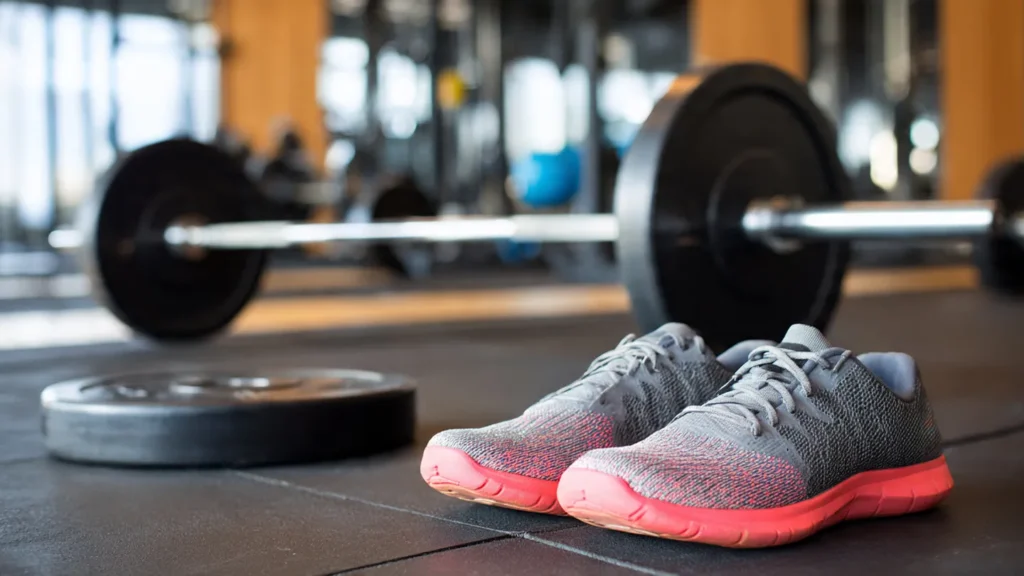
- Training/Running Shoes: If you’re doing HIIT, running, or treadmill sprints, you’ll want shoes that offer plenty of cushioning and shock absorption. A good pair of running shoes can help protect your joints and improve your performance.
- Flat-Soled Shoes: If you’re lifting heavy (think squats or deadlifts), flat-soled shoes like Converse or dedicated lifting shoes provide a stable base. This allows for better force transfer and control while lifting.
What About Support for Women? How to Choose the Right Sports Bra?
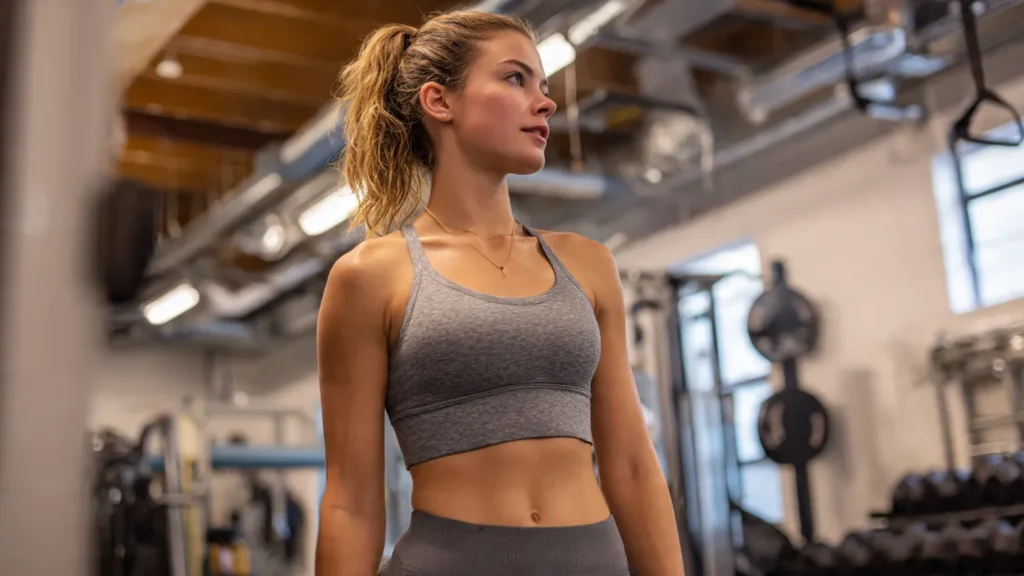
For women, a sports bra is essential for comfort and support during workouts. Whether you’re doing yoga, running, or strength training, the right sports bra will ensure you’re comfortable and protected. Here’s what to look for:
- Low Impact: For activities like yoga or Pilates, a light sports bra will provide enough support without restricting your movement.
- Medium to High Impact: For more intense workouts like running, HIIT, or jumping exercises, opt for a medium to high-impact sports bra. This minimizes bounce and discomfort, keeping you supported throughout the entire workout.
Must-Have Gym Accessories: What Else Do You Need?
Sometimes the right accessories can elevate your gym experience. Here are the essential items that I never skip:
- Performance Socks: I always go for cushioned crew or ankle socks made from breathable materials. They keep my feet comfortable and help prevent blisters during long runs or intense workouts.
- Gym Towel: Whether you’re wiping down equipment or just mopping your brow, a towel is a must-have. It’s not only hygienic but helps you stay cool.
- Water Bottle: Hydration is key! Keep a durable, leak-proof water bottle with you to stay hydrated before, during, and after your workout.
How to Build Your Perfect Gym Outfit
You’ve got the basics down, but now let’s put together the perfect gym outfit. Here’s a step-by-step guide to ensure you’re not only comfortable but also ready to crush it at the gym.
Step 1: Pick Your Activity
Your workout will dictate your outfit. If you’re hitting the weights, go for fitted tops and squat-proof leggings. For cardio, choose breathable tank tops or stringers with biker shorts for comfort. Always consider the intensity of the exercise when picking out your gym clothes.
Step 2: Focus on Comfort
I’ve learned that comfort is the most important factor. If something feels too tight, too loose, or just plain uncomfortable, it’ll distract you during your workout. Go for fabrics that are moisture-wicking, breathable, and stretchable.
Step 3: Prioritize Fit and Flexibility
Whether you’re lifting, running, or stretching, make sure your clothes allow full range of motion. Fitted tops and compression leggings will ensure you don’t feel restricted, and they stay in place no matter what exercise you’re doing.
Step 4: Don’t Forget About Footwear
The right shoes can make all the difference in performance. Choose your footwear based on the type of workout you plan to do. You wouldn’t wear running shoes for weightlifting, and vice versa.
Step 5: Keep Accessories Simple
While it’s easy to overdo it with accessories, a simple towel, a sturdy water bottle, and a good pair of socks can enhance your gym experience without adding bulk.
Frequently Asked Questions
1. Can I wear cotton clothes to the gym?
Cotton is breathable, but it absorbs sweat, which can leave you feeling wet and uncomfortable during a workout. It’s better to go for moisture-wicking fabrics like polyester, nylon, or spandex, which pull sweat away from your body and help you stay dry.
2. What’s the best gym outfit for women for running?
For running, choose a moisture-wicking tank top or sports bra paired with running shorts or leggings that offer compression and breathability. Don’t forget a supportive pair of running shoes to cushion your feet.
3. Should I wear a sports bra to the gym?
Yes! A good sports bra is crucial for supporting your body during exercise. Choose one that fits well and offers appropriate support for the intensity of your workout. Low-impact bras are great for yoga, while high-impact bras are essential for activities like running and HIIT.
4. Are sneakers necessary for gym workouts?
For most workouts, especially running or cardio, training shoes are essential. However, for weightlifting, you should wear flat-soled shoes for better stability. Make sure your shoes match the workout you’re doing to ensure proper performance.
Get Ready to Crush Your Gym Routine!
Choosing the right gym attire isn’t just about looking good—it’s about feeling confident and comfortable while you’re getting your sweat on. By prioritizing moisture-wicking fabrics, supportive gear, and functional footwear, you can elevate your workout experience.
Remember, the more comfortable and supported you feel, the better your performance will be. So go ahead, grab your gear, and get ready to crush your next workout!