The first time I heard someone casually ask vitamin b17 apricot kernals anyone, I was half-asleep and scrolling through wellness posts that promised miracle fixes. The comment sounded innocent, even helpful, like a friend sharing a secret.
Still, something about it made me pause. Instead of adding it to my cart, I did what I now always do—I stopped, researched, and questioned whether this was something I actually wanted anywhere near my daily routine.
That pause turned into hours of reading, cross-checking sources, and separating myths from facts. What I discovered completely changed how I view “natural remedies,” especially the ones that come with bold claims and quiet warnings.
What Is Vitamin B17 and Why Do People Keep Asking About It?
Whenever I see conversations around vitamin b17 apricot kernals anyone, they almost always trace back to a compound called amygdalin. Amygdalin occurs naturally in bitter apricot kernels and is sometimes marketed as “vitamin B17.” That name sounds official, but it isn’t recognized as a real vitamin by any legitimate nutrition authority.
Here’s the part that matters most. When the body digests amygdalin, it breaks down into hydrogen cyanide. Cyanide interferes with the body’s ability to use oxygen properly, which explains why it has such serious health consequences. This isn’t speculation. This is well-documented toxicology.
Despite decades of claims about cancer prevention or immune support, no reliable human clinical trials prove that apricot kernels provide medical benefits. Health authorities rejected these claims because the science doesn’t support them and the risks remain high.
Why Are Apricot Kernels Considered Dangerous?
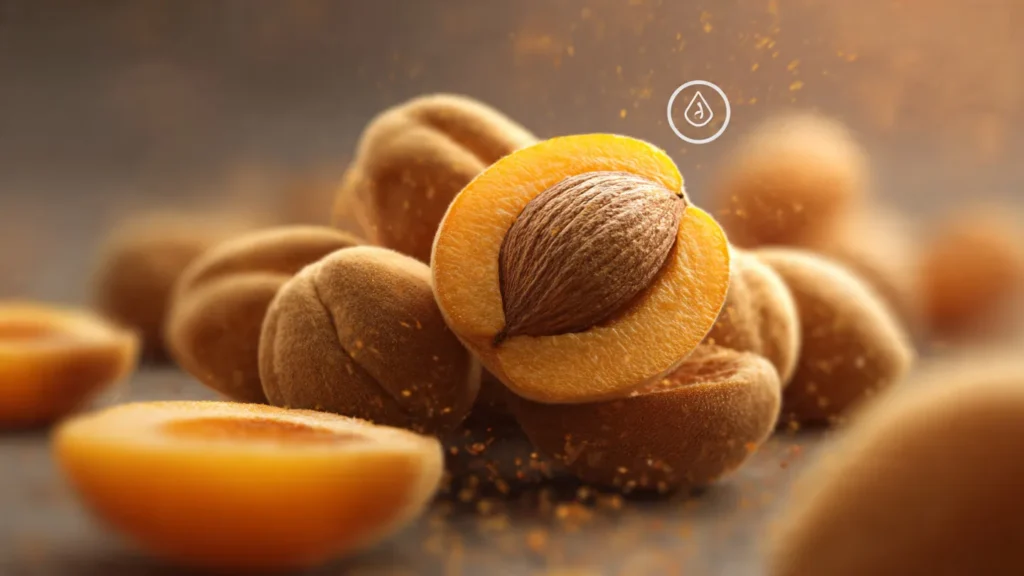
Learning about cyanide toxicity shifted my perspective completely. Once amygdalin releases cyanide in the digestive system, the body enters dangerous territory fast. Cyanide disrupts oxygen delivery at a cellular level, which affects critical organs almost immediately.
Symptoms don’t start dramatically. People report headaches, nausea, dizziness, and confusion first. In more severe cases, cyanide poisoning leads to breathing problems, heart rhythm disturbances, coma, and even death. Oral consumption raises the risk because digestion activates cyanide release.
What unsettled me most was how unpredictable tolerance can be. Body size, metabolism, gut health, and enzyme activity all influence how someone reacts. That unpredictability makes self-dosing incredibly risky.
Is There Any Real Scientific Evidence Behind the Claims?
I wanted facts, not fear. So I reviewed the research behind the hype. Human clinical evidence does not support the use of apricot kernels or laetrile for cancer treatment, prevention, or improved survival.
Some older studies explored potential effects like blood pressure reduction or pain relief, mostly in animals. One small, low-quality study suggested a possible blood pressure effect, but it lacked proper controls. Lab and animal research hints at antioxidant or anti-inflammatory properties, but those findings don’t translate into safe or effective human use.
From an evidence-based perspective, the gap between marketing claims and proven outcomes remains wide.
Why Do These Products Still Circulate Online?
Availability plays a big role. In India and other regions, bitter apricot kernels appear on online marketplaces, often sourced from Himalayan areas. Marketing focuses on purity, tradition, and high amygdalin content, which ironically signals higher toxicity.
Some sellers recommend extremely small doses to “avoid toxicity.” That alone raises red flags for me. If a product requires strict micro-dosing to prevent poisoning, it doesn’t fit into a safe wellness routine.
Capsule forms labeled as amygdalin or vitamin B17 also circulate online. They often emphasize natural sourcing while minimizing risk. I’ve learned that transparency matters more than branding.
How Do I Personally Evaluate Trends Like Vitamin B17?
When I see discussions like vitamin b17 apricot kernals anyone, I run them through a simple decision framework.
First, I check whether credible health authorities recognize or recommend it. Second, I look for human clinical trials, not testimonials. Third, I assess the risk-to-benefit ratio honestly. Cyanide exposure fails that test immediately.
I also consider whether safer alternatives exist. In this case, balanced nutrition, antioxidant-rich foods, regular movement, and evidence-based supplements provide benefits without life-threatening risks.
My Step-by-Step Safety Check Before Trying Any “Natural” Remedy

When a wellness trend crosses my path, I follow a routine that keeps me grounded.
I start by reading beyond product pages and social posts. I look for regulatory warnings, toxicology reports, and clinical trial data. If safety concerns dominate, I stop.
Next, I imagine how the product fits into daily life. Anything that feels stressful to dose or scary to maintain doesn’t belong in my routine.
Then I consult a healthcare professional if curiosity remains. I don’t outsource health decisions to comment sections.
Finally, I choose calm consistency over dramatic promises. Wellness should support life, not gamble with it.
What Are Safer Ways to Support Wellness Without These Risks?
Instead of chasing risky shortcuts, I focus on habits that consistently deliver benefits. Whole foods rich in antioxidants, adequate sleep, hydration, stress management, and regular movement support health without hidden dangers.
When supplements enter the picture, I stick with those that carry transparent dosing, clinical backing, and regulatory approval. Slow, boring consistency usually outperforms flashy claims.
That approach keeps my routine sustainable and my health decisions grounded in reality.
Frequently Asked Questions
1. Is vitamin B17 the same as amygdalin?
Yes. Vitamin B17 is a marketing term for amygdalin. It is not recognized as a real vitamin by any major health authority.
2. Can apricot kernels really cause cyanide poisoning?
Yes. Amygdalin releases hydrogen cyanide during digestion. Even small amounts can cause symptoms, especially when consumed orally.
3. Are apricot kernels approved for cancer treatment?
No. Regulatory bodies like the FDA and Health Canada have not approved apricot kernels or laetrile due to safety concerns and lack of evidence.
4. Why do people still ask about vitamin b17 apricot kernals anyone?
Most people ask out of curiosity or exposure to online wellness trends. The phrase circulates faster than verified medical information.
The Glow-Up That Doesn’t Need Cyanide Energy
After everything I’ve learned, my answer to vitamin b17 apricot kernals anyone feels grounded and clear. Curiosity can inspire growth, but informed decisions protect your life. I don’t need risky shortcuts to feel healthy or hopeful.
My rule now is simple. If a supplement comes with poisoning warnings and fear-based dosing, it doesn’t belong in my routine. Real wellness feels calm, evidence-based, and sustainable. Choose clarity over hype every time.