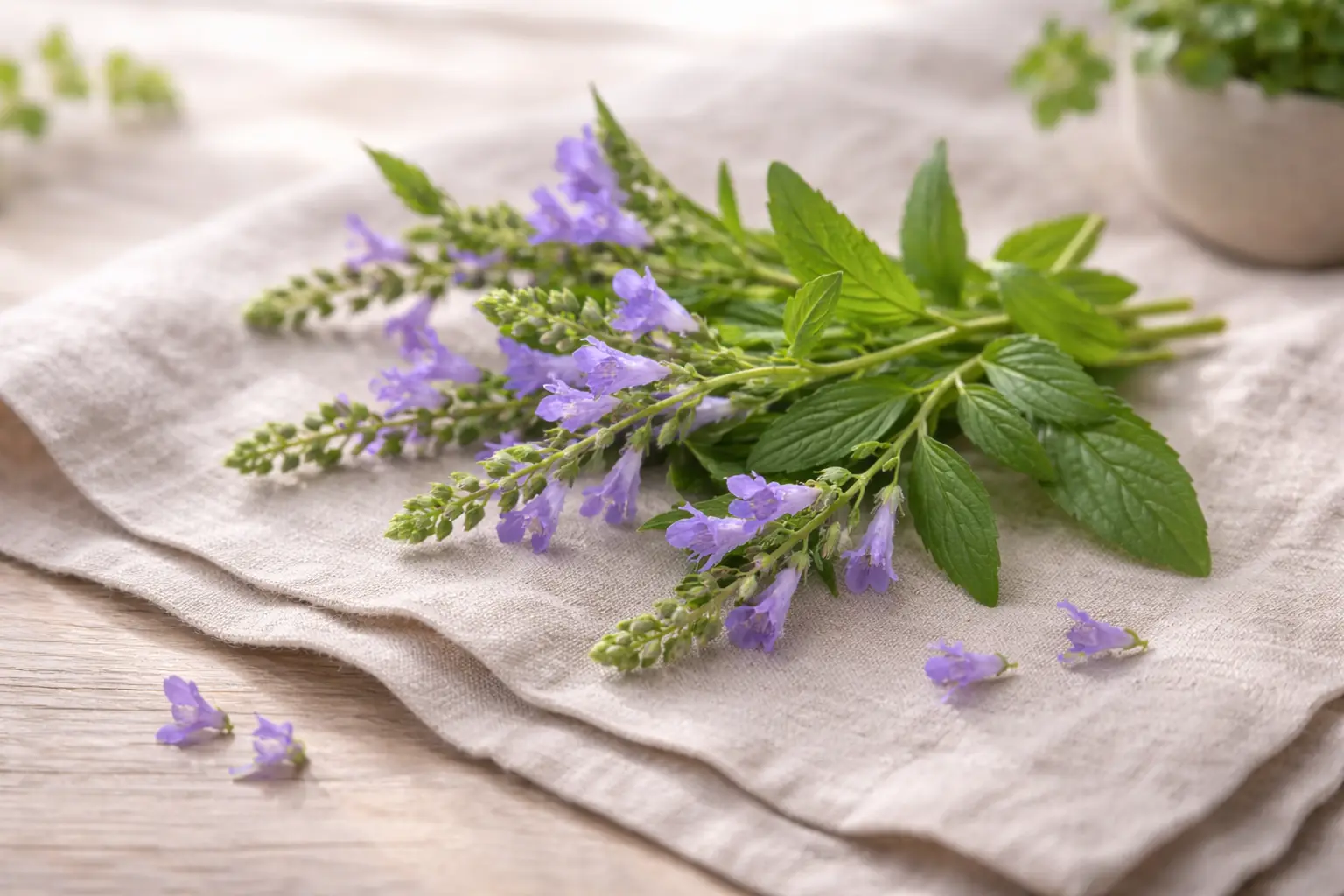
I still remember the first time I brewed a cup of skullcap tea. I had one of those weeks where my mood felt all over the place, sleep refused to cooperate, and my patience hit rock bottom. A herbalist friend casually mentioned skullcap a womans herb, and curiosity got the best of me.
That quiet little plant ended up becoming one of the most grounding tools in my routine, especially during hormonally messy seasons.
This isn’t a miracle cure or some trendy supplement hype. It’s a traditional herb with deep roots in women’s wellness, and when used thoughtfully, it can support both emotional balance and physical comfort.
Why Is Skullcap a Woman’s Herb in Traditional Healing?
For centuries, Native American tribes like the Cherokee leaned on skullcap for women’s health rituals and reproductive support. That history matters to me because it reminds me this herb wasn’t created for quick fixes. It was designed for rhythm, balance, and long-term care.
Skullcap earned its reputation as a woman’s herb because it supports the menstrual cycle, eases emotional shifts, and helps the nervous system stay calm during hormonal changes. When hormones fluctuate, stress usually follows. Skullcap steps in by calming both the body and the mind at the same time.
I notice this most during PMS weeks when irritability sneaks in without warning. Skullcap doesn’t numb emotions. It softens the edges so reactions feel more manageable and grounded.
How Does Skullcap Support Menstrual Cycles and PMS?
Menstrual cycles don’t just affect the body. They influence mood, energy, focus, and sleep. Skullcap works gently as an emmenagogue, meaning it supports healthy menstrual flow and cycle regularity.
When cramps show up, skullcap’s antispasmodic nature helps relax muscle tension. I’ve found that it pairs beautifully with rest, hydration, and light movement rather than replacing them. It supports the body instead of forcing it.
Mood swings during PMS often come from nervous system overload. Skullcap acts as a nervine, calming overstimulation and helping emotional regulation feel less like a battle.
Can Skullcap Help During Menopause and Hormonal Transitions?
Menopause brings its own emotional rollercoaster. Hot flashes, anxiety, disrupted sleep, and sudden mood changes can make daily routines feel unpredictable. Skullcap doesn’t alter hormones directly, but it supports the nervous system through the transition.
I’ve seen women describe skullcap as a “mental exhale.” It helps quiet racing thoughts and reduce emotional intensity without sedation. That matters during menopause when sleep often suffers due to restlessness rather than physical discomfort alone.
By calming neural activity, skullcap supports smoother emotional transitions during perimenopause and menopause.
Why Do Herbalists Use Skullcap for Anxiety and Stress Relief?
Even outside women’s health, skullcap shines as a stress-support herb. It relaxes an overworked nervous system without dulling focus. That’s why it earned the reputation of being a remedy for panic, nervous tension, and emotional burnout.
When stress feels physical, like tight shoulders or shallow breathing, skullcaps help signal the body to slow down. I find it especially helpful on evenings when my brain refuses to shut off.
Unlike stronger sedatives, skullcap encourages natural relaxation. I wake up clear-headed rather than groggy, which keeps my routine intact.
How I Use Skullcap a Woman’s Herb Safely in Daily Life
I treat skullcaps as a supportive habit, not a constant crutch. Consistency matters more than intensity.
I rotate between tea, tincture, or capsules depending on the season and my schedule. Tea feels grounding at night, while tinctures work well during stressful days when I need quicker support.
I always pay attention to sourcing. The American skullcap (Scutellaria lateriflora) matters here. Chinese skullcaps have different properties and don’t offer the same calming benefits for women’s wellness.
How to Add Skullcap to Your Wellness Routine

Start by choosing a high-quality source that clearly lists Scutellaria lateriflora. Avoid products with vague labeling.
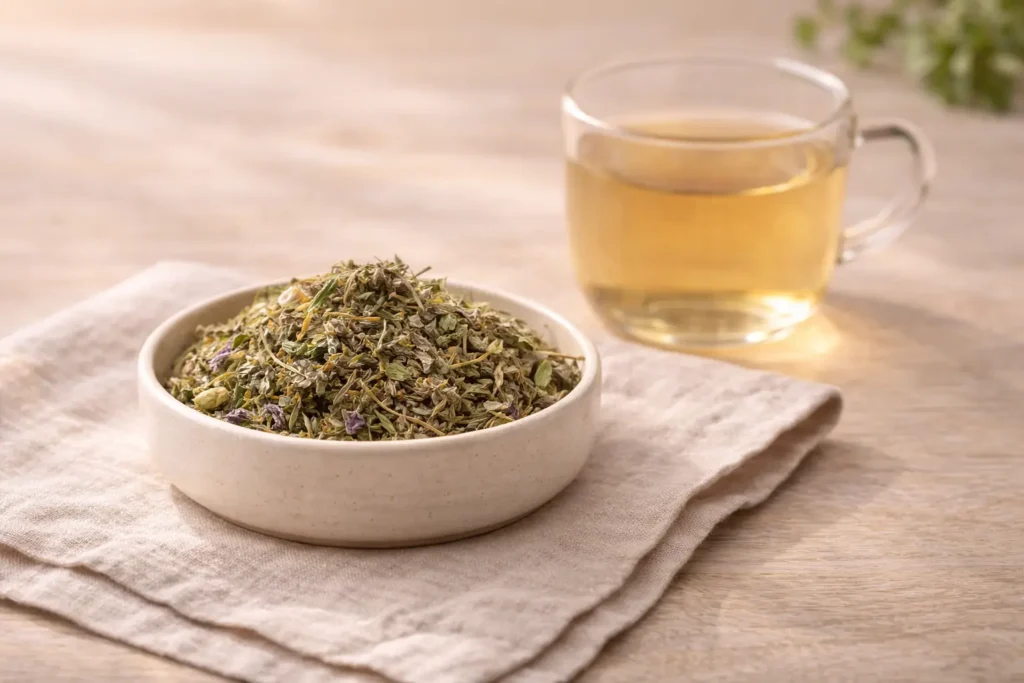
Begin with a low dose. For tea, I steep one teaspoon of dried skullcap in hot water for about ten minutes. For tinctures, I start with a small dropper dose once daily.
Pay attention to timing. Evening use supports sleep and relaxation. Daytime use works best during stressful periods rather than daily long-term use.
Track how your body responds over one to two weeks. Skullcap works subtly, so small shifts in mood, sleep, or tension matter.
What Safety Rules Should You Know Before Using Skullcap?
Skullcap should never be used during pregnancy. It can stimulate the uterus, which creates unnecessary risk.
Quality matters more than dosage. Historically, adulteration with germander caused liver issues, so sourcing from reputable suppliers protects your health.
If you take medications for anxiety, seizures, or nervous system conditions, talk to a healthcare provider first. Skullcap supports balance, but interactions still matter.
Frequently Asked Questions
1. Is skullcap safe for daily use?
I don’t use a skullcap every single day long-term. I prefer cycling it during high-stress weeks or hormonal shifts. Short-term daily use works well for many people, but breaks help prevent dependence and maintain effectiveness.
2. Does skullcap help with sleep without causing grogginess?
Yes, that’s one reason I like it. Skullcap encourages relaxation rather than sedation. When sleep comes naturally, I wake up feeling clear instead of foggy.
3. Can skullcap help with anxiety-related PMS symptoms?
In my experience, yes. It doesn’t eliminate emotions, but it softens reactivity. Emotional spikes feel easier to manage, especially when paired with good nutrition and sleep.
4. What’s the difference between American and Chinese skullcaps?
American skullcap focuses on calming the nervous system and supporting women’s health. Chinese skullcap targets inflammation and immune responses. They aren’t interchangeable.
A Calm Mind Is the Real Glow-Up
Skullcap a womans herb taught me something important. Hormonal health isn’t just about cycles or symptoms. It’s about nervous system care, emotional regulation, and giving the body permission to slow down.
I don’t rely on a skullcap to fix everything. I use it as a gentle reminder that calm is a practice, not a destination. When stress rises or hormones shift, this herb helps me respond instead of react.
If you decide to try it, start slow, stay mindful, and treat it like a supportive friend rather than a solution. Sometimes the softest tools create the biggest changes.