
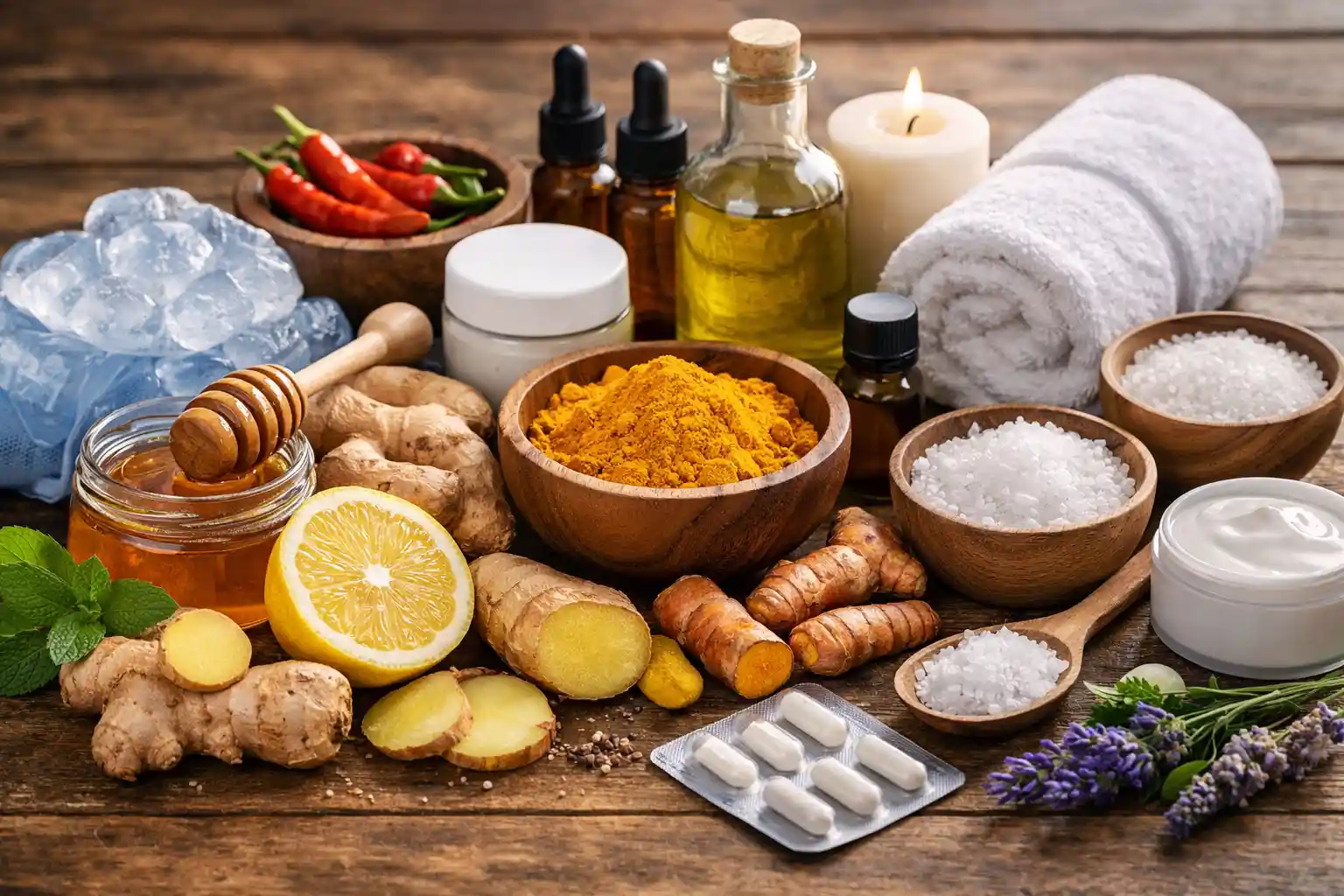
Home remedies that work are simple, safe steps I use for mild, familiar issues, like honey for an annoying cough, ginger tea for a scratchy throat, heat or ice for sore muscles, and cool running water for small kitchen burns. These aren’t cures or shortcuts, just comfort-first habits I rely on when symptoms stay manageable. If something worsens, feels unusual, or doesn’t improve, I stop experimenting and get proper medical care.
I grew up in a house where someone always had a “try this first” fix. A warm drink for a cough. A quick rinse for a stuffy nose. A cool stream of water for a kitchen mishap. Over time, I learned a truth that keeps me out of trouble: some home remedies help a lot, some help a little, and some just sound helpful.
These days, I treat at-home care like a routine, not a superstition. I keep it simple, I keep it safe, and I don’t push my luck. I also borrow a mindset I see in medically reviewed resources: try supportive steps for mild symptoms, and don’t delay real care when red flags show up.
Note: This content is for educational purposes only and is not a substitute for professional medical advice.
What I check before I try anything at home

Before I reach for my kitchen “medicine cabinet,” I do a quick reality check. Can I breathe normally? Do I have a high fever? Is the pain sharp, spreading, or getting worse fast? If something feels intense, unusual, or scary, I skip the experiments and call a professional. I’ve found that aligning this gut check with guidance from reliable patient education resources helps me feel confident about when to stop guessing and escalate care.
When symptoms stay mild and familiar, I feel comfortable starting with simple support. That’s where home remedies fit best for me, helping with comfort while my body handles the main job.
Why I keep my routine boring (in the best way)
Here’s the thing: the internet loves dramatic hacks. I don’t. I stick with options that come up repeatedly in medically reviewed advice because those usually come with clear instructions and clear limits. That’s how I think about natural remedies—not as “magic,” but as basic tools that support comfort and recovery, much like many principles found in Traditional medicine, where simple, time-tested practices are used with restraint and awareness rather than blind belief.
I also remind myself that “natural” never equals “risk-free.” Even common ingredients can irritate skin, upset digestion, or interact with certain conditions. So I keep doses modest, I don’t stack ten things at once, and I always watch how my body responds.
Quick reference: what I use vs. what I avoid
| Issue | What I use | Why it helps | What I avoid |
| Mild cough | Honey | Soothes throat | Honey for infants |
| Muscle stiffness | Heat | Relaxes muscles | Heat on swelling |
| Fresh swelling | Ice | Reduces swelling | Long ice exposure |
| Minor burns | Cool water | Limits damage | Butter, toothpaste |
| Sore throat | Ginger tea | Reduces irritation | Very hot liquids |
Home remedies for inflammation and swelling
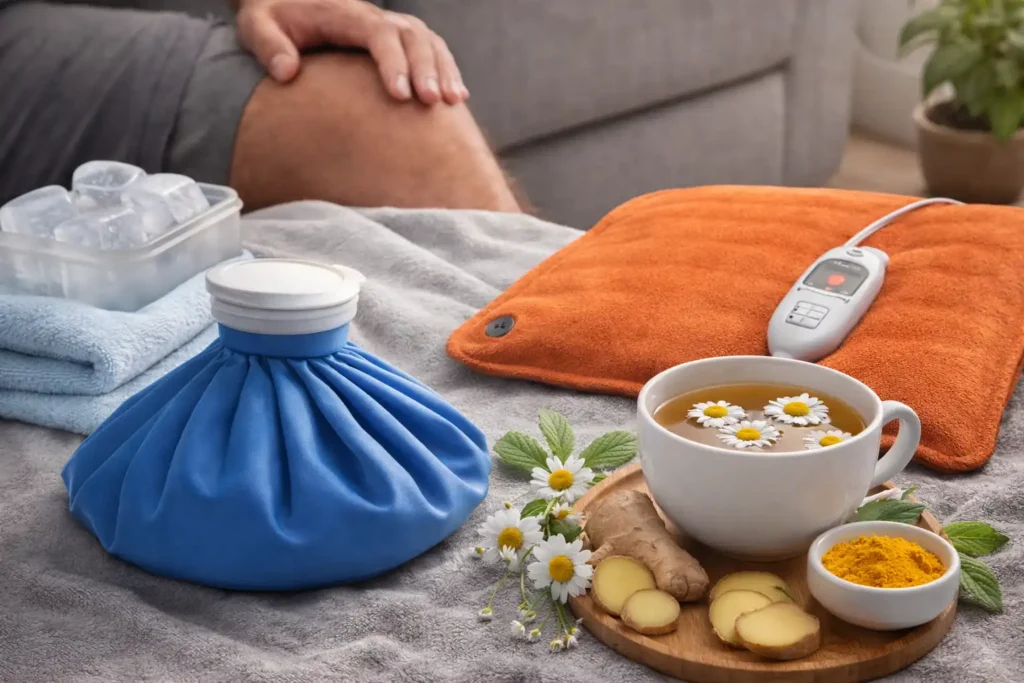
Inflammation shows up in my life as stiffness after long screen hours or soreness after a workout I swore would be “light”, while swelling tends to show up as puffiness or tenderness around a strained area. I don’t reach for complicated solutions. I start with the boring basics: rest, gentle movement, and the right temperature therapy.
If something feels freshly strained or puffy, I go with ice for short sessions and take breaks between rounds. If it’s more of a lingering tightness, I switch to warmth. Heat helps me loosen up and move normally again, which often matters as much as the remedy itself.
I also keep my expectations realistic. If swelling grows, pain increases, or movement gets limited, I take that as a sign to stop guessing and get checked. The goal is relief, not bravado.
Ginger for sore throat
When my throat gets that early scratchy feeling, ginger is one of the first things I try. I slice it fresh, steep it in hot water, and sip slowly. The warmth feels soothing right away, and I notice my swallowing feels less annoying after a mug or two.
I don’t treat ginger like a cure for a serious infection. I treat it like comfort that can help me get through the day. If the sore throat comes with a high fever, severe pain, or lasts more than a couple days, I move on from home care and talk to a clinician.
One more personal rule: I keep the drink warm, not scalding. A burned throat from “healing tea” is a plot twist nobody needs.
Safe home remedies for minor burns
Minor burns like small kitchen splashes or brief contact with a hot surface, happen in real kitchens. I’ve learned that what you do in the first minute matters more than any fancy product you apply later. I run cool (not icy) tap water over the area right away. That single step reduces pain and helps limit damage. I only treat burns at home when the skin isn’t deeply damaged and the pain stays manageable.
After cooling, I keep the area clean and protected. I avoid “old school” ideas like butter or toothpaste. Those can trap heat and irritate the skin. If a burn blisters badly, covers a big area, looks deep, or lands on the face or joints, I don’t play home doctor, I get medical help.
Burn care feels simple because it should feel simple. Quick cooling, gentle protection, and smart escalation if it looks serious.
Natural remedies for everyday pain
For everyday things like muscle aches, stiffness, or soreness from normal activity, I don’t chase instant fixes. I focus on routines that calm my body down. A warm bath helps me relax tight muscles. Gentle stretching helps me avoid that “rusty hinge” feeling the next morning. And if I’ve overdone it, rest becomes the most productive thing I do. When I explore plant-based support, I also ask myself, What Flowers Are Used in Herbal Remedies?, especially when looking for gentler additions to recovery routines.
When I follow those basics, I usually get natural relief without needing to go overboard. I also pay attention to patterns. If the same pain keeps returning, I treat it like a message, bad posture, weak support muscles, or not enough recovery. Over time, I’ve noticed this approach shows up again and again in reliable health guidance and in basic clinical translational research, where small, consistent habits often matter more than quick fixes.
Pain that sharpens, radiates, or limits movement gets my full attention. That’s not the time for DIY confidence.
Natural remedies for common everyday ailments
For common everyday ailments, like a minor cough, mild digestive discomfort, or restless sleep, I keep a small, repeatable routine. Honey helps soothe cough irritation for many people (and I never give it to infants). Warm fluids help me stay hydrated and feel less miserable. Peppermint works for digestion for some folks, but I avoid it when reflux acts up.
I think of these as holistic remedies because they don’t target just one symptom in isolation. They support comfort, rest, hydration, and recovery as a whole, similar to how many traditional approaches, including Asian weight loss herbs practices, focus on gradual balance rather than aggressive intervention. That matters because feeling better often comes from a few small supports working together.

If symptoms are intense, persistent, or unusual, I stop and switch to proper medical care. “Common” doesn’t always mean “minor,” and I don’t gamble with that.
The cheat sheet I keep in my head
If it’s mild and familiar, I try simple comfort steps. If it’s intense, worsening, or weird, I stop and seek care. That mindset saves me from turning small problems into big ones, and it helps me avoid getting pulled into sketchy natural solutions that promise too much.
🎥 Home Remedies Backed by Science
This video features internal medicine physician Elizabeth Kightlinger, MD, from the Cleveland Clinic. She examines the scientific evidence behind common non-traditional treatments and helps viewers understand which natural remedies have real medical support and which may rely more on placebo effects.
How-To: How I try these methods at home
Step 1: I pick one symptom to address first. If I try to fix everything at once, I can’t tell what helped—or what made things worse.
Step 2: I choose one method and do it correctly. If I’m using heat or ice, I set a timer. If I’m making ginger tea, I keep it warm and sip slowly. If I’m treating a burn, I cool it immediately and keep it clean.
Step 3: I set a clear “check-in” point. For mild issues, I usually reassess later the same day or within 24 hours. If I don’t see improvement, I don’t keep doubling down.
Step 4: I watch for red flags. Worsening pain, breathing trouble, high fever, spreading swelling, severe dehydration, or anything that feels “off” triggers the next step.
Step 5: I escalate early, not late. I’d rather feel slightly dramatic than miss something important. That’s how I keep “simple care” truly safe.
FAQs
1. What home remedies actually work for common health problems?
I rely on simple options like warm fluids, honey for cough comfort, and heat or ice for mild aches. They help when symptoms stay mild and familiar.
2. Which natural remedies are supported by medical research?
Doctors often point to honey, ginger, turmeric, and basic heat or cold therapy. These work best as support, not as cures.
3. What are safe home remedies for burns?
I cool minor burns under running tap water right away and keep the area clean. I avoid butter, toothpaste, and oils.
4. Does ginger for sore throat actually help?
It helps soothe mild irritation when I use it early. If pain or fever lasts, I move on to medical care.
5. When should I stop using home remedies and see a doctor?
If symptoms worsen, don’t improve in a day or two, or feel severe or unusual, I seek medical care. High fever, breathing trouble, strong pain, swelling, or dehydration are clear warning signs.
Final Thoughts:
I love a good at-home routine, but I love smart decisions more. When I treat home care like support, not a substitute, I get the best of both worlds: comfort now and safety long-term. The secret isn’t having a thousand tricks. It’s knowing your few basics and using them well.
My warm note to end on: try one simple thing, do it safely, and give your body a chance to respond. Consistency beats chaos every time.
About the Author – Emily Carter
I’m Emily Carter, and I write about health and wellness from a practical, everyday perspective. My focus is on sharing simple, safe routines and natural remedies I’ve learned through years of writing and researching health-related topics, always with clear boundaries around when professional care matters. Content reviewed for safety and clarity.