
Many people assume physical health is easy to spot—lean body, visible muscles, or high energy. But those assumptions are often misleading. If you’re trying to identify the characteristics of a physically healthy person, it’s important to look beyond appearance and focus on how the body functions day to day.
Physical health is about strength, balance, endurance, and resilience.
In this guide, I’ll explain what physical health really means, the most reliable characteristics of a physically healthy person, and how to recognize real health instead of surface-level signs.
Key Takeaways
- Physical health is about function, not just looks
- Energy, mobility, and recovery matter more than body shape
- Healthy bodies adapt well to daily stress
- Lifestyle habits reveal physical health more than appearance
What Physical Health Really Means
Physical health refers to how well your body performs its essential functions. This includes cardiovascular fitness, muscular strength, flexibility, immune function, and energy levels.
Physical fitness can handle daily tasks without excessive fatigue and recover efficiently from physical stress.Unlike fitness trends, physical health is long-term and sustainable.
It reflects how well the body supports everyday life rather than how it looks in a snapshot.
Why Identifying Physical Health Matters

Knowing how to identify physical health and wellness helps you set realistic goals and avoid harmful comparisons. Many people chase aesthetics—thinking that a lean or muscular physique equates to health—while ignoring warning signs like chronic fatigue, pain, or poor recovery.
Understanding physical health also supports prevention. Spotting early signs of imbalance allows you to adjust habits before illness or injury develops. For example, experiencing persistent discomfort after regular physical activity may signal that recovery time or mobility exercises are needed to avoid long-term injury.
By recognizing true physical health, you can focus on developing habits that will sustain your well-being instead of relying on superficial or unsustainable trends.
Core Characteristics of a Physically Healthy Person
Consistent Energy Levels Throughout the Day
A physically healthy person maintains steady energy without frequent crashes. This doesn’t mean being constantly hyperactive, but the ability to stay alert, focused, and functional throughout the day. Healthy energy levels allow you to tackle tasks effectively, maintain focus at work, and stay active in your personal life.
Good Muscular Strength and Endurance
Muscular strength is key to physical health. A person with good strength can lift, carry, and move without strain. Strength supports posture, joint stability, and helps prevent injuries.
Endurance is equally important, allowing you to perform activities, such as walking, climbing stairs, or exercising, without excessive exhaustion. These qualities ensure that your body can handle everyday physical demands without fatigue.
Healthy Body Function and Recovery
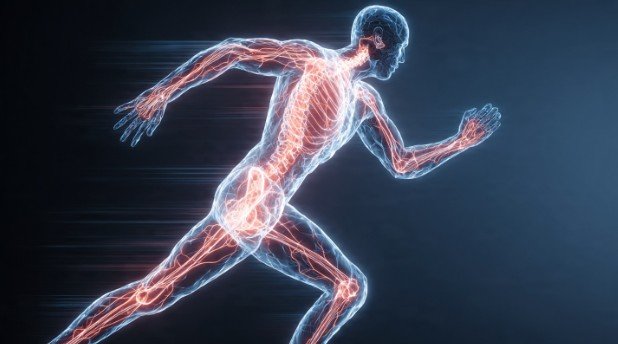
Quick recovery after physical effort is another strong sign of physical health. Muscles may feel tired after exercise, but normal soreness resolves within a day or two and doesn’t interfere with daily movement.
A body that recovers well from physical exertion indicates a good state of health. Healthy individuals bounce back quickly from physical stress, ensuring they remain active and functional over the long term.
Balanced Flexibility and Mobility
A healthy body moves comfortably through a full range of motion strength. Flexibility and mobility reduce injury risk and improve overall movement quality.
Strong Immune Response
Physically healthy people tend to recover faster from minor illnesses. A strong immune system fights off infections more effectively, and fewer illnesses occur as a result of strong wellness habits.
Nutrition, sleep, and physical conditioning directly impact immune function. A healthy body that can fight infections and recover quickly is a clear sign of overall physical health.
Physical Health vs Appearance: Common Myths
One of the biggest misconceptions is that thin or muscular bodies are always healthy. In reality, physical health cannot be determined by weight alone. People can look fit and still struggle with poor stamina, chronic pain, or metabolic issues. Health isn’t just about what’s visible—it’s about function.
Another myth is that constant soreness means progress. Persistent pain or exhaustion often signals imbalance rather than health. While moderate soreness after exercise is normal, ongoing pain or extreme fatigue could indicate overexertion or poor recovery practices. Health should not come at the cost of injury or burnout.
Daily Habits That Reflect Physical Health

Physically healthy people tend to maintain consistent habits rather than extreme routines. These habits often include regular movement, balanced nutrition, healthy eating tips, proper hydration, and adequate sleep.
-
Regular movement: Engaging in daily exercise, whether it’s walking, stretching, or more intense workouts.
-
Balanced nutrition: Consuming a well-rounded diet that fuels the body with the right nutrients.
-
Healthy eating tips: Eating in moderation and focusing on whole, nutritious foods.
-
Proper hydration: Drinking enough water throughout the day to support bodily functions.
-
Adequate sleep: Prioritizing 7-9 hours of sleep each night to help the body rest and recover.
These habits are more sustainable and effective than extreme measures. They support long-term health and well-being.
Warning Signs of Poor Physical Health
Difficulty performing basic tasks, frequent illness, ongoing fatigue, and chronic pain can indicate declining physical health. Ignoring these signs often leads to injury or burnout.
Recognizing these early allows for timely lifestyle changes and professional support if needed.
Frequently Asked Questions
1. What are the main characteristics of a physically healthy person?
Consistent energy, strength, mobility, good recovery, and strong immune function.
2. Can someone be physically healthy without being athletic?
Yes. Physical health focuses on function, not athletic performance.
3. Is body weight a reliable indicator of physical health?
No. Physical health depends on multiple factors beyond weight.
4. How can I improve my physical health?
Focus on regular movement, balanced nutrition, sleep, and stress management.
How to Spot True Physical Health
To identify the characteristics of a physically healthy person, look beyond appearance and focus on how the body functions. True physical health supports daily life, adapts to stress, and recovers efficiently.
When health is measured by function rather than looks, it becomes more sustainable, realistic, and meaningful.