
CO2 laser skin resurfacing has emerged as one of the most effective treatments for improving skin texture, reducing fine lines, and addressing a variety of skin concerns such as sun damage and acne scars.
However, many people undergoing the procedure want to know how long it will take before they start seeing the results.
In this article, we will dive into the timeline for CO2 laser skin resurfacing results, helping you understand the recovery process, when to expect visible changes, and how to maximize your results.
Key Takeaways
- Immediate results from CO2 laser resurfacing include smoother, more youthful skin, though they become more noticeable over time.
- The skin will take a few days to heal, with the final results appearing after several months.
- Adherence to post-treatment care, such as moisturizing and sun protection, is critical to achieving the best results.
- Patience is key; while results are gradual, the long-term improvements are substantial.
What to Expect Immediately After CO2 Laser Treatment
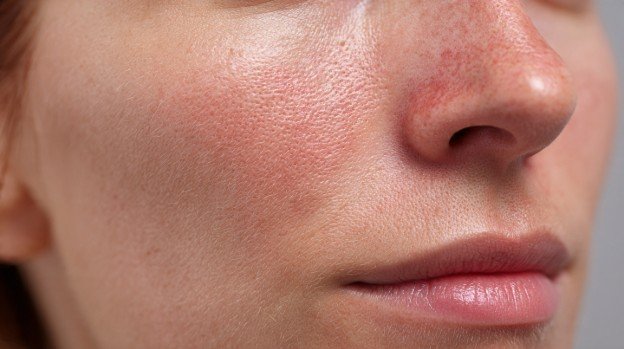
Immediately following a CO2 laser treatment, it’s normal to experience redness, swelling, and a feeling similar to a sunburn. The skin may also begin to peel after a few days, revealing fresher, healthier skin underneath. For the first few days, you may notice:
- Red or pink skin that resembles a mild sunburn
- Peeling and exfoliating skin that may continue for several days
- Mild swelling, particularly around the treated area, which should subside within the first few days
How Long Does It Take to See Initial Results?
Although results vary depending on the depth of the treatment, you will typically begin to see initial changes in the texture of your skin after about 2 to 3 weeks. However, during this period, the skin will still be healing, and redness or irritation may persist.
Week 1
Expect redness, swelling, and scabbing. The wound healing phases will start, but visible results may not be noticeable yet.
Week 2–4
As the scabs and flakes peel off, you will start to notice a brighter complexion and smoother skin texture. Any remaining redness should gradually fade.
At this stage, your skin will still be healing, but the improvements in texture and tone will be becoming more apparent.
When Do the Full Results of CO2 Laser Resurfacing Appear?

Full results of CO2 laser skin resurfacing usually become visible between 3 to 6 months after the treatment. While your skin will look better even a few weeks after the treatment, it’s during the following months that the most significant changes occur.
Month 1–3
During this period, your skin will continue to heal, and deeper layers of the skin will be regenerating. You may notice that skin discoloration (e.g., sun spots or melasma) starts to fade, and wrinkles may appear less pronounced.
Month 3–6
The final results become evident after about 3 to 6 months. You’ll see significant improvement in the overall texture of the skin, reduced wrinkles, and even skin tone.
Collagen remodeling, which happens deep within the skin, will continue during this phase, ensuring that your results keep improving over time.
How to Maximize Your Results

To make the most out of your CO2 laser resurfacing treatment, it’s essential to follow proper post-treatment care. Here’s what you should do:
Follow the Aftercare Instructions: Your dermatologist or aesthetician will provide a specific aftercare routine. Follow it strictly to prevent any complications or delays in the healing process.
Moisturize Regularly: Keeping the skin hydrated can accelerate healing and ensure the best outcomes. Use products that are gentle and recommended by your skin care professional.
Use Sunscreen: Sun protection is critical after CO2 laser treatment. Your skin will be more sensitive to the sun, so use a broad-spectrum sunscreen with an SPF of 30 or higher to prevent hyperpigmentation.
Avoid Scrubbing or Picking at the Skin: Let the skin exfoliate naturally. Picking or scrubbing can lead to scarring or skin pigmentation types and issues.
Stay Hydrated and Eat Well: Drinking plenty of water and consuming a diet rich in vitamins and antioxidants can help speed up recovery and enhance the results.
Frequently Asked Questions:-
1. How long will the redness last after CO2 laser treatment?
Redness typically lasts between 1-2 weeks, depending on the depth of the treatment. It may linger for up to 4 weeks for more intense treatments, but this will gradually subside.
2. When can I wear makeup after CO2 laser resurfacing?
You can generally begin wearing makeup about 10-14 days after the treatment, once the skin has healed sufficiently. Always use mineral-based makeup to avoid irritation.
3. Will I need multiple treatments?
While CO2 laser resurfacing can produce significant results after just one session, some individuals may choose to undergo multiple treatments for more severe skin concerns, such as deep wrinkles or acne scars.
4. Can I expect permanent results?
CO2 laser resurfacing offers long-lasting improvements, but maintenance treatments may be necessary in the future to maintain results, especially in the face of natural aging and environmental factors.
5. How do I know if CO2 laser treatment is right for me?
Consult with a professional to discuss your skin concerns and medical history. CO2 laser resurfacing is ideal for treating wrinkles, age spots, acne scars, and uneven skin tone. A professional assessment will ensure it’s the right treatment for your needs.
Long-Term Skin Renewal: What This Treatment Really Delivers
CO2 laser skin resurfacing provides impressive and long-lasting results, though the process takes time and proper care. While you can expect initial improvements within weeks, the full benefits typically emerge 3-6 months after treatment.
To achieve the best results, following aftercare instructions, maintaining hydration, using sunscreen, and allowing your skin to naturally heal are essential.
If you’re considering CO2 laser resurfacing, be patient as your skin regenerates, and know that the investment in your skin’s health will provide visible, rejuvenating results that continue to improve long after your treatment.