Are you considering a fully ablative CO2 laser for skin resurfacing and wondering what the results might be? If you’re seeking dramatic improvements in skin texture, wrinkles, and pigmentation, CO2 laser resurfacing is one of the most effective treatments available.
But what can you expect before, during, and after this procedure?
In this blog, we’ll explore the powerful effects of fully ablative CO2 laser treatments, guide you through the healing process, and share realistic before and after results. By the end of this article, you’ll understand how to prepare for the procedure and what to expect during recovery.
What is Fully Ablative CO2 Laser Resurfacing?
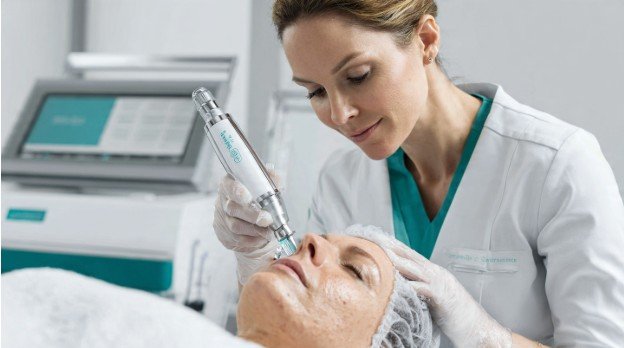
CO2 laser resurfacing is a popular skin treatment that uses a focused laser to remove damaged skin layers, helping to regenerate healthier, more youthful skin. The fully ablative CO2 laser is one of the most intensive versions of this treatment, often used for deep skin resurfacing.
Unlike fractional lasers, which target specific areas of the skin, fully ablative lasers treat the entire skin surface, removing the outermost layers to reduce wrinkles, scarring, sun damage, and skin discoloration.
This procedure can yield dramatic results, but because it’s more aggressive, it requires a longer healing time and comes with a few more risks compared to fractional CO2 laser treatments.
What to Expect Before the CO2 Laser Treatment
Before undergoing a fully ablative CO2 laser treatment, you’ll have a consultation with your practitioner to discuss your skin concerns and determine if you’re a suitable candidate for the procedure. Here’s what you can expect:
- Skin Analysis: Your doctor will analyze your skin type and discuss the treatment planning.
- Preparation: You may be instructed to avoid certain medications or skincare products that could increase the risk of complications.
- Anesthesia: Since this treatment can be painful, local anesthesia or sedation is typically used during the procedure.
- Post-Care Instructions: Be prepared to follow a strict post-treatment care plan to ensure optimal healing.
What Happens During the Fully Ablative CO2 Laser Procedure?
The fully ablative CO2 laser procedure is usually performed in an office or clinic. Here’s what happens during the treatment:
- Laser Application: The CO2 laser is passed over the treated area, targeting the skin’s surface. The laser’s energy vaporizes the outer layer of skin, promoting collagen production and improving skin texture.
- Treatment Time: The procedure typically takes 30 minutes to 1 hour, depending on the area being treated.
- Post-Treatment Care: After the treatment, your practitioner will apply a cooling gel or ointment to soothe the treated skin and reduce discomfort.
Fully Ablative CO2 Laser Before and After Results

One of the most exciting parts of CO2 laser resurfacing is seeing the transformation in your skin. Here’s what you can expect:
- Before and After Photos: Patients who undergo fully ablative CO2 laser resurfacing often experience a significant improvement in skin texture, the reduction of fine lines, wrinkles, and even skin tone.
Results vary, but the overall effect is smoother, more youthful skin.
Example Results
- Wrinkle Reduction: Fine lines and deep wrinkles around the eyes, mouth, and forehead are visibly reduced.
- Smoother Skin: The skin texture becomes much smoother, with reduced roughness, skin care and aging.
- Even Tone: Sunspots, age spots, and other pigmentation issues are greatly diminished.
- Expected Outcomes: Full results are typically visible after 3-6 months, as collagen production continues to improve skin appearance over time.
The Healing Process: What to Expect After Treatment
The healing process after fully ablative CO2 laser resurfacing is crucial to getting the best results. Here’s a breakdown of what to expect:
Day 1–3: Initial Healing
- Redness & Swelling: The treated area will be swollen and red, similar to a mild sunburn. This is completely normal and part of the healing process.
- Discomfort: You may feel a burning or tingling sensation, but this should subside with proper care.
Aftercare:
- Apply a cold compress to reduce swelling.
- Use the prescribed ointments to keep the skin hydrated and promote healing.
Day 4–7: Scabbing and Peeling
- Scabbing: Scabs will form as the outer skin layers begin to shed. Don’t pick at them as it can cause scarring.
- Peeling: The skin will start to peel off, revealing healthier skin beneath.
Aftercare:
- Keep the skin moisturized with a gentle cream or ointment.
- Continue avoiding sun exposure, and wear sunscreen when outdoors.
Week 2–4: Continued Healing
- Reduced Redness: The redness and swelling should start to fade during this period.
- Improved Skin Texture: You will begin to notice smoother and more even skin.
- Final Results: After 2-4 weeks, you’ll start to see clearer skin, but full results will take longer to develop as collagen production continues.
Month 1–3: Full Recovery
By this time, most of the redness will have disappeared, and you will be able to appreciate the full results of the treatment, including reduced wrinkles and an overall smoother skin appearance.
Aftercare:
- Maintain your skin care routine with gentle products and daily sunscreen.
- Follow up with your practitioner for a check-up and any additional care tips.
Speeding Up the Healing Process
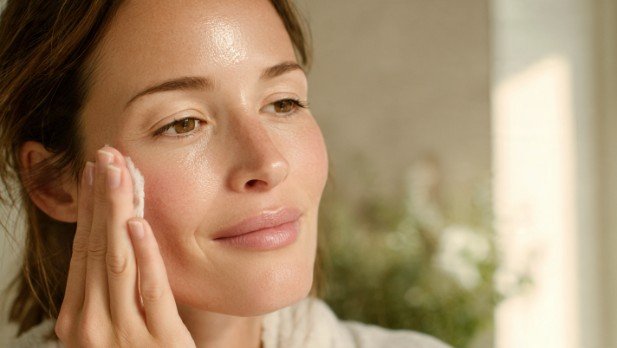
While recovery time varies, you can speed up the healing process with these tips:
- Hydrate: Keep your skin moisturized using a gentle, non-irritating moisturizer.
- Use Healing Supplements: Vitamins like Vitamin C and Zinc can help with skin recovery.
- Sun Protection: Wear a broad-spectrum sunscreen every day to prevent pigmentation issues and protect your healing skin.
- Avoid Harsh Products: Steer clear of exfoliants or products that could irritate your skin during the recovery period.
Potential Risks and Complications
Though complications are rare, it’s important to be aware of them and know how to address them:
- Scarring: If scarring occurs, consult your practitioner for treatments such as steroid injections or laser sessions to reduce scar appearance.
- Hyperpigmentation: Discoloration of the skin may occur but can be treated with gentle skincare products or topical treatments.
- Infection: If you notice signs of infection, such as increased redness, pus, or pain, contact your healthcare provider immediately.
Why Choose Fully Ablative CO2 Laser Resurfacing?
Fully ablative CO2 laser resurfacing offers deep skin rejuvenation with long-lasting results. Here’s why it might be the right choice for you:
- Deep Skin Resurfacing: It effectively treats deeper wrinkles, scars, and signs of aging, offering more significant results than less intensive treatments.
- Long-Term Benefits: The results last for years with proper care, making it a worthwhile investment in skin health.
Frequently Asked Questions:-
1. How long does it take to see results from a fully ablative CO2 laser?
Results can be seen within 2-3 months as collagen production continues, with the final results visible after 6 months.
2. What should I do immediately after CO2 laser resurfacing?
Apply prescribed ointments, use a cold compress, and avoid sun exposure. Follow your practitioner’s aftercare instructions closely.
3. How much downtime is required after a CO2 laser treatment?
Downtime can last from 7 to 14 days, with the most intense healing occurring during the first few days.
Is Fully Ablative CO2 Laser Resurfacing Worth It? Final Insights
Fully ablative CO2 laser resurfacing is one of the most effective treatments for achieving smoother, rejuvenated skin.
By understanding the procedure, managing the healing process, and following aftercare instructions, you can enjoy lasting improvements in skin texture, wrinkles, and pigmentation.
If you’re considering this treatment, consult with a certified practitioner to discuss whether it’s the right option for you.