
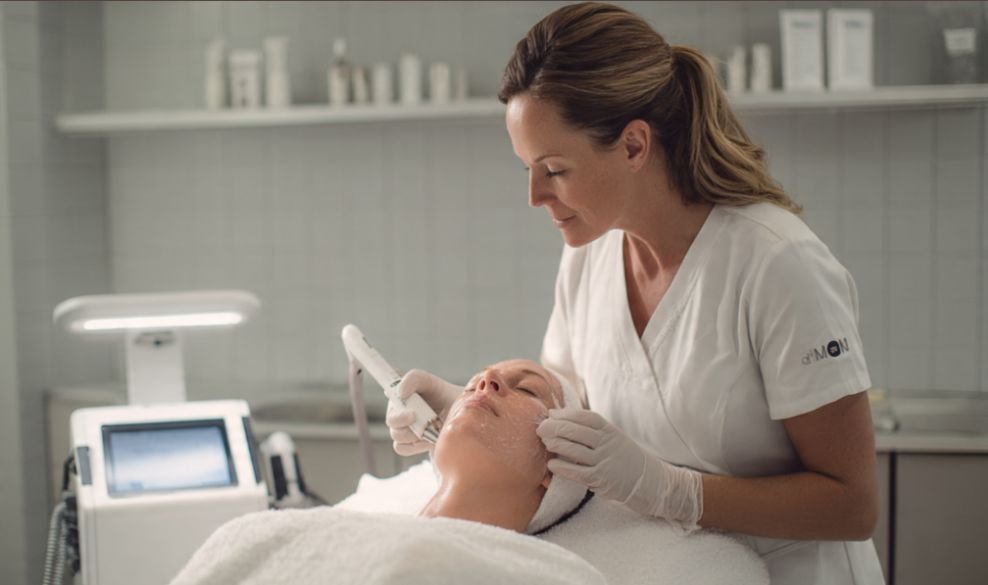
CO2 laser resurfacing for the face is one of the most advanced and effective non-surgical treatments for skin rejuvenation. Whether you’re aiming to reduce fine lines, scars, or pigmentation, CO2 lasers can provide significant improvements.
But how does this treatment work, and what can you expect during recovery? In this blog, we will take you through the entire process of CO2 laser resurfacing for the face, including what results to expect before and after, the healing process, and essential tips for optimal recovery.
If you’re considering this procedure for smoother, more youthful skin, keep reading to find out everything you need to know!
Key Takeaways
- CO2 Laser Benefits: CO2 laser for the face effectively reduces wrinkles, scars, and pigmentation, offering smoother, Skin Regeneration and Rejuvenation.
- Healing Process: The recovery timeline involves redness and peeling in the first few days, with full recovery occurring in 1-3 months.
- Speeding Up Healing: Stay hydrated, use healing supplements, and apply sunscreen to enhance recovery.
- Potential Risks: Risks include scarring, hyperpigmentation, and infection, but proper aftercare can minimize these issues.
- Long-Term Results: CO2 laser offers long-lasting improvements, making it a great option for those seeking significant facial rejuvenation.
What is CO2 Laser Resurfacing for the Face?

CO2 laser resurfacing uses a powerful carbon dioxide laser to remove damaged skin layers, stimulating the production of fresh collagen and improving the skin’s overall texture and tone. This treatment is particularly effective for:
- Wrinkles: Fine lines around the eyes, mouth, and forehead.
- Scarring: Including acne scars, surgical scars, and sun damage.
- Pigmentation Issues: Such as age spots, freckles, and melasma.
The CO2 laser’s ablative action vaporizes the outermost layers of skin, revealing fresh, healthier skin beneath. Unlike non-ablative lasers, which target specific skin layers, ablative CO2 lasers treat the entire skin surface, offering deeper, longer-lasting results.
What to Expect Before CO2 Laser Treatment for the Face
Before you undergo CO2 laser resurfacing, a consultation with a dermatologist or cosmetic surgeon is necessary. During this appointment, you’ll discuss your goals, any concerns you have, and determine whether CO2 laser resurfacing is right for you.
Pre-Treatment Preparation
- Skin Assessment: Your doctor will analyze your skin type and any underlying conditions to customize the treatment.
- Preparation: To ensure the best results, you may need to avoid certain medications, including blood thinners, for a few days before the procedure. Your doctor will provide instructions specific to your needs.
- Anesthesia: Because the procedure can be uncomfortable, local anesthesia or sedation may be used to numb the treated area.
It’s essential to follow all pre-treatment guidelines to minimize risks and ensure a smooth procedure.
The CO2 Laser Procedure for the Face
The CO2 laser procedure typically takes around 30 minutes to 1 hour, depending on the size of the treatment area.
Step-by-Step Procedure
- Anesthesia: A topical numbing cream is applied, or sedation is administered to ensure your comfort during the procedure.
- Laser Application: The CO2 laser is passed over the face, vaporizing the top layers of the skin. The laser’s heat also stimulates the skin’s deeper layers, encouraging collagen production for long-term benefits.
- Post-Treatment Care: After the procedure, your doctor may apply a cooling gel or ointment to soothe the skin.
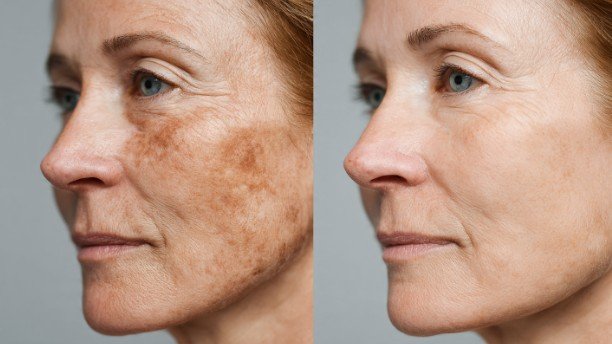
CO2 Laser for Face: Before and After Results
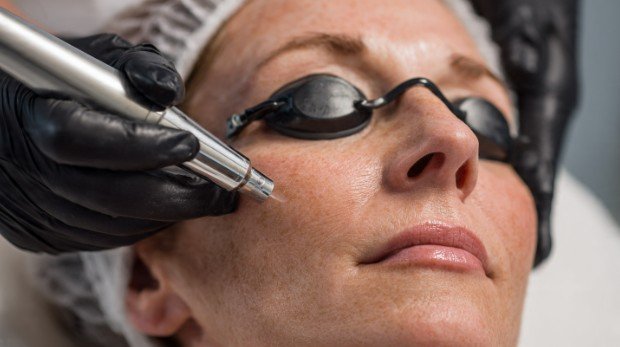
One of the biggest draws of CO2 laser treatment is its ability to create remarkable, long-lasting improvements.
Expected Outcomes
- Wrinkle Reduction: Fine lines around the eyes, mouth, and forehead are visibly reduced.
- Smoother Skin: CO2 laser resurfacing improves skin texture, giving you a younger, more radiant complexion.
- Even Skin Tone: Sunspots, age spots, and pigmentation issues are significantly reduced.
Results will vary based on individual factors like age, skin type, and the severity of the skin concerns being addressed.
The Healing Process: What to Expect After Treatment
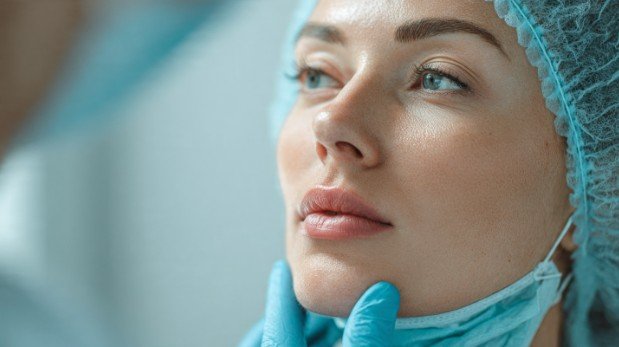
Post-treatment care is crucial to achieving optimal results from your CO2 laser resurfacing. While the recovery time may vary, here is a general timeline:
Day 1–3: Initial Healing
- Redness and Swelling: Expect redness and swelling around the treated area, similar to a sunburn. The treated area may also feel warm or sensitive.
- Discomfort: Mild discomfort or a burning sensation is normal but should subside within a few hours to a couple of days.
Aftercare Tips:
- Apply a cold compress to reduce swelling.
- Use the prescribed ointments to keep the skin hydrated and promote healing.
Day 4–7: Scabbing and Peeling
- Scabbing: Small scabs will form as the outer skin begins to shed. It’s important not to pick at the scabs to avoid scarring.
- Peeling: As the skin heals, you will notice peeling and flaking.
Aftercare Tips:
- Continue to apply the prescribed ointments.
- Keep the area moisturized with gentle, non-irritating products.
Week 2–4: Continued Healing
- Reduced Redness: By this time, the redness should begin to subside, and you will start to see your skin’s natural tone returning.
- Improved Skin Texture: Your skin should feel smoother, and wrinkles will appear less prominent.
Aftercare Tips:
- Avoid direct sun exposure and apply sunscreen daily.
- Refrain from using makeup until the skin has healed fully.
Month 1–3: Full Recovery
By the end of the first month, most patients experience a significant reduction in redness, with smoother, rejuvenated skin becoming visible. Full results may continue to improve over the next few months as collagen production continues to enhance skin texture and tone.
Aftercare Tips:
- Maintain your skincare routine with hydrating products and sun protection.
Speeding Up the Healing Process
While the recovery period is necessary, there are ways to speed up healing process:
- Hydrate: Drink plenty of water and apply a moisturizing cream to keep your skin hydrated.
- Use Healing Supplements: Supplements like Vitamin C, Zinc, and Collagen help speed up skin recovery and improve the results of your treatment.
- Sun Protection: Consistently apply a broad-spectrum sunscreen (SPF 30 or higher) to prevent UV damage that could impede healing.
- Avoid Harsh Products: During the recovery period, steer clear of harsh products like retinoids, exfoliants, or those containing alcohol.
Potential Risks and Complications

While CO2 laser treatments are generally safe, there are some risks to be aware of:
- Scarring
- Hyperpigmentation
- Infection
Why Choose a CO2 Laser for Face?
CO2 laser resurfacing offers several advantages over other skin rejuvenation treatments:
- Deep Skin Resurfacing
- Long-Term Results
- Comprehensive Treatment
CO2 laser resurfacing is ideal for those seeking significant, long-term improvement in their facial appearance, particularly for those with deeper wrinkles or scars.
Frequently Asked Questions:-
1. How long does it take to heal from CO2 laser for the face?
The initial healing process takes 7–10 days, with full recovery occurring within 1–3 months.
2. Can I wear makeup after CO2 laser for the face?
It’s recommended to wait until the skin has fully healed (usually 10–14 days) before wearing makeup to avoid irritating the skin.
4. How much does a CO2 laser for the face cost?
The cost of CO2 laser resurfacing can vary depending on the area treated and the practitioner. On average, treatments range from $2,000 to $4,000.
Conclusion
CO2 laser resurfacing for the face is one of the most effective treatments available for reducing wrinkles, scars, and pigmentation issues.
With proper care, the treatment can provide significant, long-lasting results. If you’re considering this procedure, consult with a qualified dermatologist or cosmetic surgeon to determine if it’s the right option for you.