
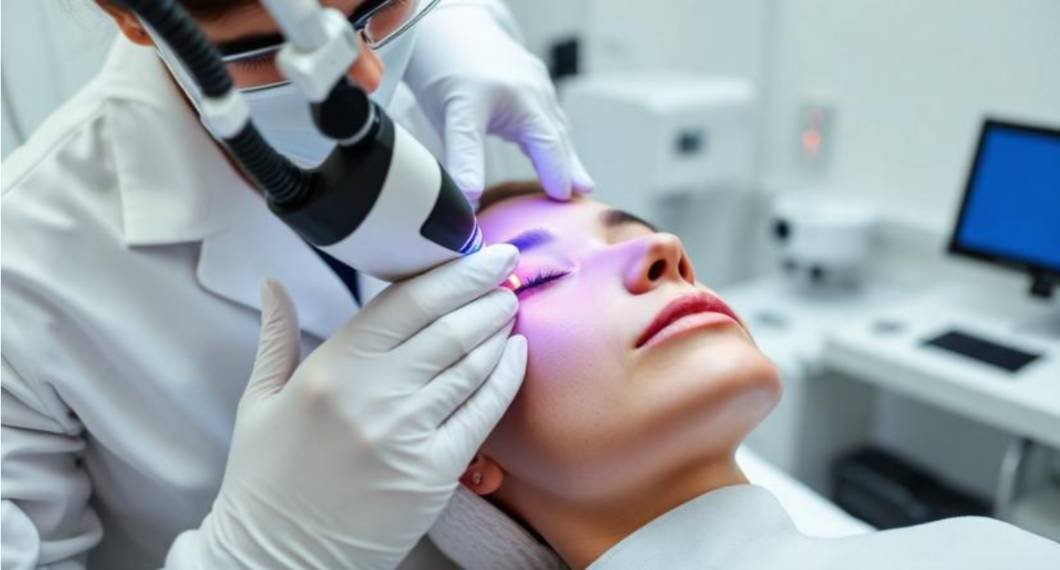
Large pores can be a common concern, especially for those with oily skin or a history of acne. Over time, pores can become stretched, clogged, and more noticeable, affecting the overall texture and appearance of your skin.
If you’re looking for a way to reduce the appearance of large pores, CO2 laser resurfacing could be the solution you’ve been seeking. This powerful treatment can improve skin texture, shrink pore size, and rejuvenate your complexion.
In this blog, we’ll walk you through how CO2 laser resurfacing works for large pores, share before and after results, and guide you through the recovery process.
Whether you’re considering this treatment for smoother skin or clearer pores, this article will help you understand what to expect before, during, and after your treatment.
Key Takeaways:
What is CO2 Laser Resurfacing for Large Pores?
CO2 laser resurfacing is a non-surgical treatment that uses a high-energy carbon dioxide laser to remove damaged skin layers and promote new, healthy skin growth.
For individuals with large pores, CO2 laser treatment can significantly improve skin texture by stimulating collagen production and tightening the skin. This helps reduce pore size and smooths out the skin’s surface, resulting in a more youthful appearance.
Unlike some other treatments that only target the outer skin layers, CO2 lasers work more deeply, penetrating the skin to address underlying concerns such as collagen loss, acne scars, and sun damage.
This makes CO2 laser resurfacing an excellent option for people with large pores, as it offers long-lasting improvements.
What to Expect Before CO2 Laser Treatment for Large Pores
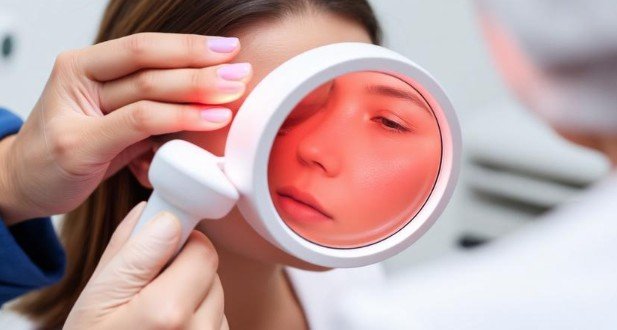
Before you undergo CO2 laser resurfacing for large pores, it’s important to have a consultation with your dermatologist or cosmetic surgeon. During this appointment, they will assess your skin and determine whether a CO2 laser is the right option for you.
Here’s what to expect:
Consultation and Skin Assessment:
Your practitioner will evaluate your skin type, pore size, overall health and well being to tailor the treatment to your needs.
Preparation:
You’ll be advised to avoid sun exposure for a few weeks before treatment. Additionally, you may need to stop using certain skincare products (like retinoids or exfoliants) to minimize irritation.
Numbing:
The procedure can cause some discomfort, so local anesthesia or topical numbing cream will be applied to ensure you’re comfortable throughout the treatment.
It’s essential to follow these pre-treatment instructions to ensure the best possible outcome and minimize any complications.
Accurate patient education about how laser resurfacing works, its risks, and appropriate expectations is emphasized by dermatology experts at the American Academy of Dermatology, of the leading professional organizations providing clinical guidance on laser treatments.
How CO2 Laser Works to Minimize Large Pores
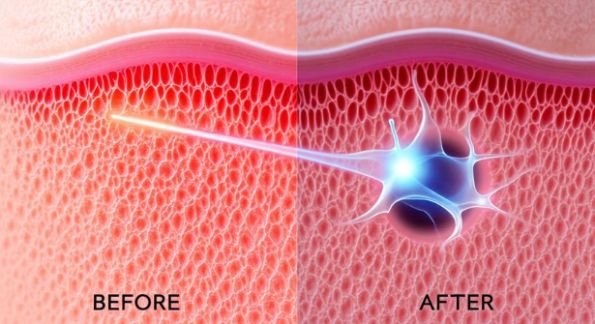
The CO2 laser works by emitting concentrated light energy that targets the water content in the skin cells.
This energy vaporizes the outer layer of skin, while simultaneously stimulating deeper skin layers to produce collagen and elastin.
These proteins help to tighten and firm the skin, resulting in smaller pores and smoother texture. When treating large pores, CO2 lasers help tighten the skin around the pores, making them appear smaller.
CO2 Laser Resurfacing for Large Pores: Before and After Results
One of the most compelling reasons to choose CO2 laser resurfacing for large pores is the visible results. Many patients experience a noticeable reduction in pore size and overall improvement in skin texture. Here’s what you can expect:
Before and After Photos:
Before undergoing CO2 laser treatment, patients often have visible pores on their cheeks, nose, and forehead. After the treatment, the skin becomes smoother, and pores are visibly smaller.
- Wrinkle Reduction
- Smoother Skin
- Even Skin Tone
In addition to reducing pore size, CO2 laser resurfacing helps to improve skin pigmentation, reducing dark spots and sun damage.
Expected Outcomes:
- Pore Size Reduction:
- Improved Skin Tone and Texture:
Skin texture becomes smoother, with reduced rough patches and a more even tone.
Collagen production plays a central role in these long-term improvements, as heightened collagen levels help strengthen the skin structure and reduce the visibility of enlarged pores.
Scientific explanations of collagen’s role in Skin Regeneration and Rejuvenation are available through the National Institute on Aging, which offers educational resources about aging skin, collagen loss, and therapies that stimulate dermal regeneration.
The Healing Process After CO2 Laser Resurfacing
Day 1-3: Initial Healing
During the first few days, you may experience redness, swelling, and tenderness, similar to a sunburn. Mild to moderate discomfort, along with a tingling or burning sensation, is common.
Aftercare:
- Apply cold compresses to reduce swelling.
- Use prescribed ointments to keep the skin hydrated and aid in healing.
- Protecting yourself from sun exposure and use a gentle cleanser.
Day 4-7: Scabbing & Peeling
Small scabs may form, and your skin will begin to peel, revealing fresh skin beneath. It’s important not to pick at the scabs to avoid scarring.
Aftercare:
- Continue applying moisturizing ointments.
- Keep the treated area clean and dry.
- Avoid touching or scratching the treated skin.
Week 2-4: Continued Healing
By this stage, the redness should subside, and your skin will appear more even and smooth. You’ll start to see the benefits, such as smaller pores and improved texture.
Month 1-3: Full Recovery
Most of the redness and swelling should be gone by the third month, and you’ll see full results, including smoother, more youthful skin.
Speeding Up Healing
To speed up healing, make sure to hydrate your skin by drinking more water and applying moisturizers. Supplements like Vitamin C and Zinc can help boost collagen production. Protect your skin from UV damage by wearing sunscreen (SPF 30 or higher). Avoid using harsh skincare products, exfoliants, or retinoids during the healing process.
Potential Risks
While rare, some risks include scarring if the healing process isn’t properly managed, hyperpigmentation (darker skin spots), and infection if the treated area is not kept clean and moisturized.
Frequently asked questions
1.How long does CO2 laser for large pores take to heal?
The initial healing takes 7-10 days, with full recovery happening in 1-3 months, depending on your skin’s response.
2.Can CO2 lasers completely eliminate large pores?
While CO2 laser significantly reduces the appearance of large pores, it may not completely eliminate them. However, the results are typically long-lasting.
3.How many treatments are needed for a CO2 laser to shrink large pores?
Most patients see noticeable results after a single session, though some may benefit from follow-up treatments to achieve optimal results.
Final Thoughts on CO2 Laser Resurfacing for Large Pores
CO2 laser resurfacing is a highly effective treatment for reducing large pores and improving skin texture. By stimulating collagen production and tightening the skin, CO2 lasers can offer long-lasting results for those seeking smoother, more youthful skin.
If you’re considering this treatment, consult with a qualified professional to discuss how it can address your specific skin concerns and get ready for a smoother, pore-free complexion!