

Watching your child grow and develop new skills is one of the most rewarding experiences as a parent. But knowing when they’re ready to transition from free play to more structured learning can feel uncertain. Should you wait a bit longer? Are they showing the right signs?
The truth is, every child develops at their own pace. Some are ready earlier than others, and that’s perfectly normal. Understanding the signs of readiness can help you make an informed decision that supports your child’s growth without rushing them into something they’re not prepared for.
If you’re considering enrolling your little one in childcare services in Sandy or another structured program, here are nine key indicators that they might be ready to take that next step.
1. They Can Follow Simple Instructions
One of the clearest signs that your child is ready for structured learning is their ability to follow simple, one- or two-step instructions. Can they put away their toys when asked? Do they respond when you say, “Please bring me your shoes”?
Following directions is essential in a classroom setting where teachers guide activities and routines. If your child can consistently listen and respond to basic requests, they’re likely prepared to handle the expectations of a more structured environment.
2. They Show Interest in Learning New Things

Does your child constantly ask “why?” or show curiosity about the world around them? This natural desire to explore and learn is a strong indicator that they’re ready for more guided educational experiences.
Children who eagerly engage with books, puzzles, or simple counting games often thrive in structured settings where they can satisfy their curiosity through activities designed to challenge and teach.
3. They Can Separate From You Without Extreme Distress
Separation anxiety is normal, especially in younger children. However, if your child can say goodbye to you without prolonged crying or distress, it’s a positive sign that they’re developing independence.
Structured learning environments require children to spend time away from their primary caregivers. If your little one can handle short separations—even if there are a few tears at first—they’re likely ready to adjust to a classroom routine.
4. They Play Well With Other Children
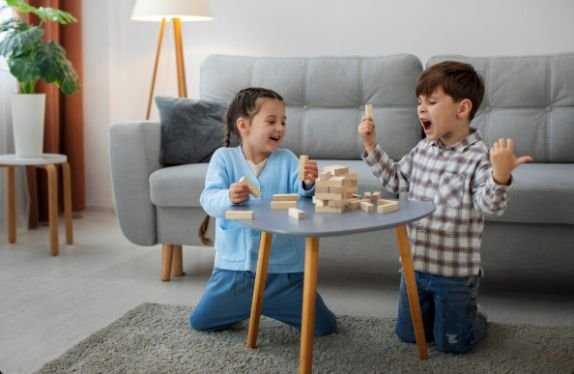
Social skills are crucial for success in any collabrative learning environment. Watch how your child interacts during playdates or at the park. Can they share toys? Do they take turns? Are they beginning to understand the concept of playing cooperatively?
While conflicts are normal, children who show an ability to engage with peers in a positive way are better equipped to navigate the social dynamics of a classroom.
5. They Can Sit Still for Short Periods
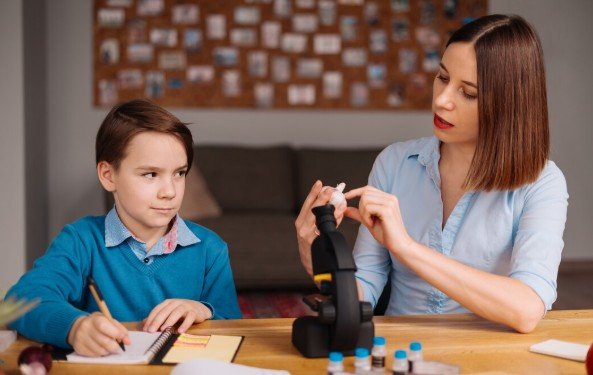
Structured learning often involves activities that require children to sit and focus for short stretches of time. If your child can sit through a storybook or complete a simple puzzle without getting overly restless, they’re developing the attention span needed for classroom activities.
Keep in mind that “short periods” means just that—five to ten minutes is reasonable for young children. Expecting them to sit still for extended periods isn’t realistic or developmentally appropriate.
6. They Can Communicate Their Needs
Being able to express basic needs is essential in a structured setting. Can your child tell an adult when they need to use the bathroom? Can they ask for help or communicate when they’re hungry, tired, or upset?
Strong communication skills help children feel more confident and comfortable in new environments. They also enable teachers to respond appropriately to each child’s needs.
7. They Show an Interest in Routines
Children who thrive in structured learning environments often show a natural inclination toward routines. Do they expect certain activities at certain times of the day? Do they respond well to predictable schedules?
Structured programs rely heavily on consistent routines to help children feel secure and understand what’s expected of them. If your child already appreciates routine at home, they’ll likely adjust well to a classroom schedule.
8. They Demonstrate Basic Self-Care Skills
While full independence isn’t required, children who are ready for structured learning should have some basic self-care abilities. Can they wash their hands with minimal help? Can they attempt to put on their shoes or jacket?
These skills indicate that your child is developing the independence needed to participate in group activities without requiring constant one-on-one assistance.
9. They Express Interest in Going to School
Sometimes the clearest sign comes directly from your child. If they talk about wanting to go to school, ask about what happens there, or show excitement when they see other children in classrooms, they’re likely emotionally ready for the experience and active mind essential for learning .
Children who express interest are often more motivated to engage with learning activities and adapt to new routines.
Trusting Your Instincts
While these nine signs offer helpful guidance, remember that you know your child best. Trust your instincts about their readiness. If you’re considering options like childcare services in Sandy, visit potential programs, ask questions, and observe how your child responds to the environment.
Starting structured learning at the right time sets the foundation for a positive educational experience. By watching for these signs and choosing a program that aligns with your child’s developmental stage, you’re giving them the best opportunity to grow, learn, and thrive.