

Your workspace is more than a physical location—it’s a strategic asset. For startups operating on lean budgets, this presents both a challenge and an opportunity: how do you create an environment that fuels focus, collaboration, and creativity without draining your bank account?
Defining the Essentials: Function Over Form
When resources are limited, every purchase decision matters. The key is to distinguish between must-haves and nice-to-haves.
Start with ergonomic furniture. Adjustable chairs and desks might seem like a luxury, but they’re actually foundational investments in your team’s health and productivity.
Poor posture and discomfort lead to fatigue, reduced concentration, and even long-term health issues. A quality ergonomic chair can cost anywhere from $200 to $500, but it will pay dividends in employee comfort and retention.
Next, prioritize your technology infrastructure. High-speed internet, reliable power outlets, and proper cable management aren’t glamorous, but they’re non-negotiable. Nothing kills momentum faster than dropped video calls or a scramble for available outlets during a busy work session.
Aesthetics can wait. Your office doesn’t need to look like a design magazine spread from day one. Focus on creating a functional space that works smoothly, maximize small spaces then layer in visual improvements as your budget allows.
Strategic Layouts: Maximizing Your Footprint
Small spaces require smart planning. The layout you choose can either amplify or constrain your team’s ability to collaborate and concentrate.
Open floor plans have become the default for many startups, and for good reason. They foster communication, make supervision easier, and allow for quick reconfiguration as your team grows. However, pure open layouts have a downside: constant noise and visual distractions can undermine deep work.
The solution is to create flexible zones within your space. Designate specific areas for different activities—collaborative workstations for team projects, quiet corners for focused tasks, and casual meeting spots for impromptu discussions.
You don’t need walls to achieve this; strategic furniture placement, room dividers, or even different flooring materials can signal functional boundaries.
Modular furniture is your friend here. Desks on wheels, stackable chairs, and movable partitions let you reconfigure your space as needs change. This adaptability is particularly valuable for startups, where team size and workflow can shift rapidly.
Budget-Friendly Lighting: Brightening Without Breaking the Bank
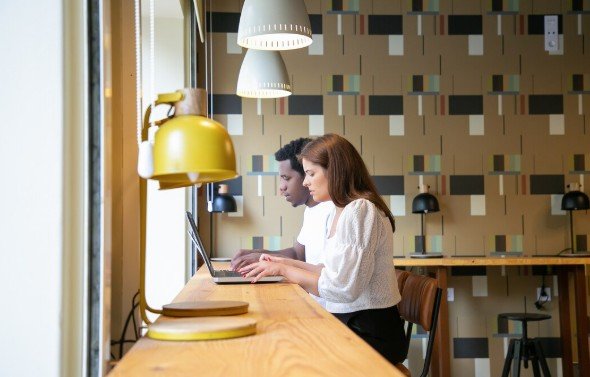
Lighting has a profound impact on productivity, mood, and even circadian rhythms. Yet it’s often one of the most overlooked elements of office design.
Natural light should be your priority. Position desks near windows whenever possible. Studies show that employees with access to natural light report better sleep quality, increased physical activity, and improved overall well-being. If your office has limited windows, use mirrors strategically to bounce light into darker areas.
When artificial lighting is necessary, choose LED bulbs. They’re more expensive upfront but consume up to 75% less energy than incandescent bulbs and last significantly longer—making them a smart long-term investment. Opt for bulbs with a color temperature between 4000K and 5000K, which mimics natural daylight and reduces eye strain.
Avoid harsh overhead fluorescent lighting if you can. It creates glare and shadows that make screen work uncomfortable. Instead, combine overhead ambient lighting with task lighting at individual workstations. Desk lamps give employees control over their personal lighting, boosting comfort and productivity.
Incorporating Biophilia: The Power of Plants
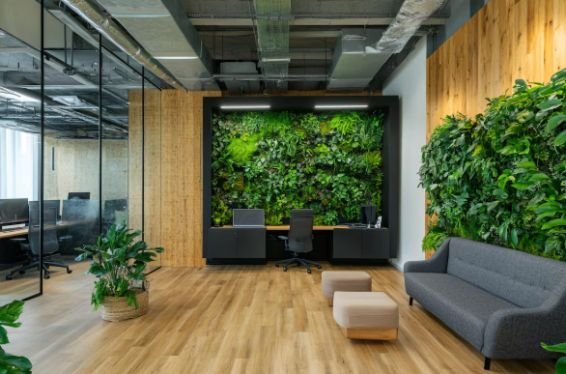
Biophilic design—integrating natural elements into built environments—has been shown to reduce stress, increase creativity, and improve air quality. For cash-strapped startups, this translates to a simple solution: add plants.
You don’t need an elaborate green wall or exotic specimens. Low-maintenance options like pothos, snake plants, and spider plants thrive in office conditions and require minimal care. They filter common indoor pollutants like formaldehyde and benzene while adding visual warmth to your space.
Place plants near workstations, in meeting areas, and along windowsills. Even a few well-placed pots can soften the sterile feel of a typical office and create a more inviting atmosphere. If floor space is tight, consider hanging planters or wall-mounted options.
For teams working in particularly challenging conditions—dry air, limited natural light, or high stress—plants offer a low-cost intervention with measurable benefits. A study published in the Journal of Physiological Anthropology found that interacting with indoor plants can reduce both physiological and psychological stress.
Smart Sourcing: Finding Quality on a Budget
You don’t have to buy everything new. The secondary market for office furniture is vast, and with a bit of diligence, you can find high-quality pieces at a fraction of retail prices.
Start by checking online marketplaces like Facebook Marketplace, Craigslist, and OfferUp. Companies frequently offload furniture during office moves or downsizing, and you can negotiate significant discounts.
If you’re located near a major city, you’ll have even more options. For example, if your startup is based in Utah, searching for used office furniture in Salt Lake City can yield excellent finds from businesses upgrading their spaces.
Liquidation sales and surplus stores are another goldmine. These retailers specialize in buying excess inventory from corporations and reselling it at steep discounts. You’ll often find brand-name ergonomic chairs, desks, and filing cabinets in excellent condition.
When shopping second-hand, inspect items carefully—test chairs for stability and adjustability. Check desks for surface damage and wobbling. For electronics like monitors or desk lamps, ask if you can test them before purchasing.
Conclusion
Designing a productive office on a startup budget isn’t about cutting corners—it’s about making intentional choices that prioritize function, health, and adaptability.
By focusing on ergonomic essentials, strategic layouts, smart lighting, natural elements, and savvy sourcing, you can create an environment where a high performing team can thrive without overspending.