
Healthcare architecture has evolved far beyond sterile corridors and harsh fluorescent lighting. Modern medical design recognizes that the physical environment plays a crucial role in the healing process. When patients step into a hospital or clinic, the building itself communicates a message of care, safety, and efficiency. Thoughtful architectural choices can reduce anxiety, improve recovery rates, and create a more supportive atmosphere for both patients and staff.
The Psychology of Space in Healing
The way a space is designed directly influences how people feel and behave within it. In healthcare, this connection is vital. Patients often arrive feeling vulnerable or stressed, so the environment must actively work to counter those negative emotions, fostering both mental and physical health.
Reducing Anxiety Through Layout

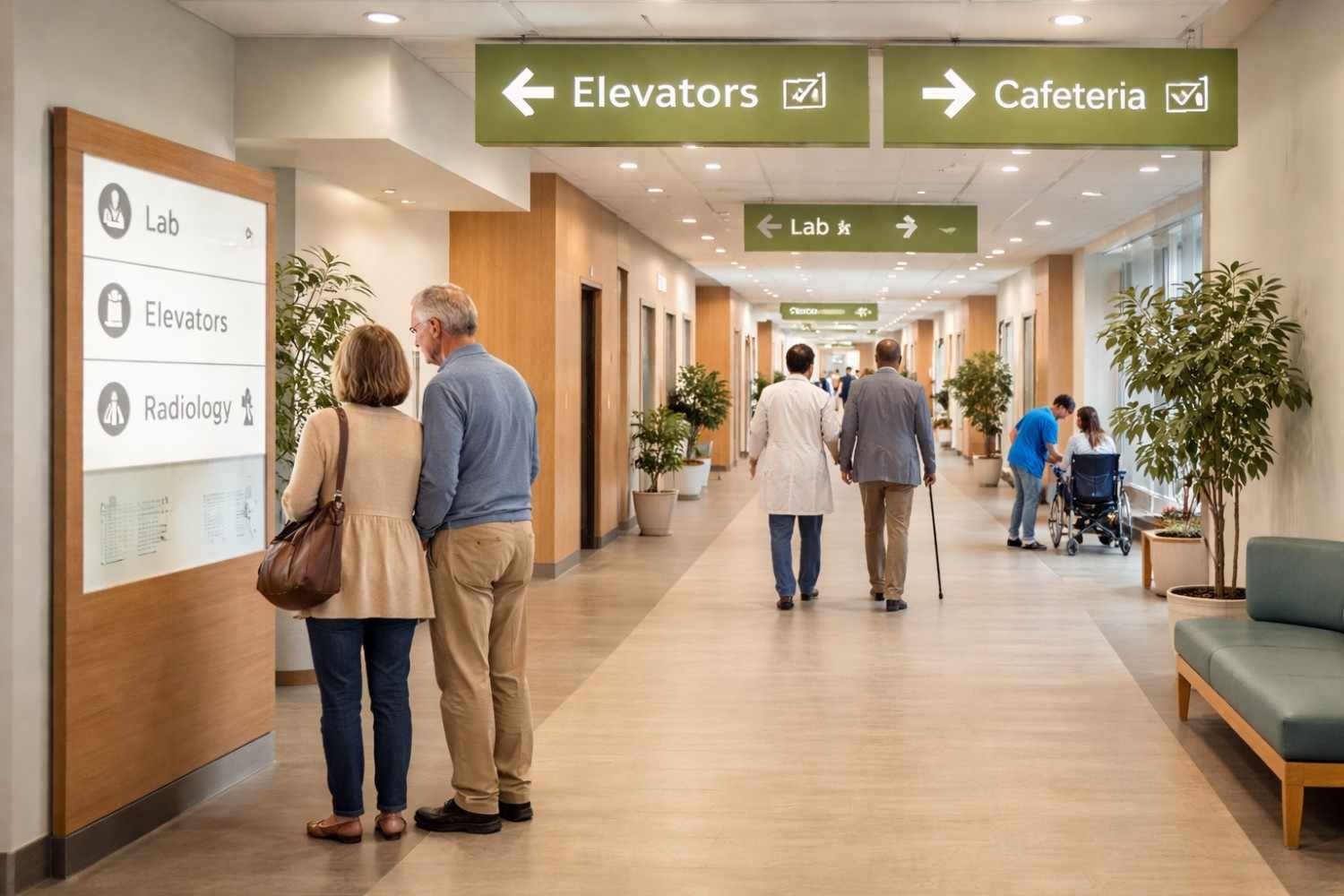
Navigating a complex medical facility can be overwhelming. A confusing layout adds unnecessary stress to an already difficult situation. Architects now prioritize clear wayfinding and intuitive floor plans. Wide corridors, distinct landmarks, and logical flow help patients and visitors find their way with ease. When people feel oriented and in control of their movement, their anxiety levels drop significantly.
The Power of Natural Light
Access to daylight is one of the most effective ways to improve patient well-being. Studies have shown that natural light can reduce depression, improve sleep patterns, and even shorten hospital stays. Large windows in patient rooms and waiting areas connect the indoors with the outside world. This connection provides a sense of normalcy and helps maintain the body’s natural circadian rhythms, which is essential for recovery.
Designing for Comfort and Privacy
Comfort is not a luxury in healthcare; it is a necessity. The physical environment should support dignity and rest.
Private Rooms and Noise Control
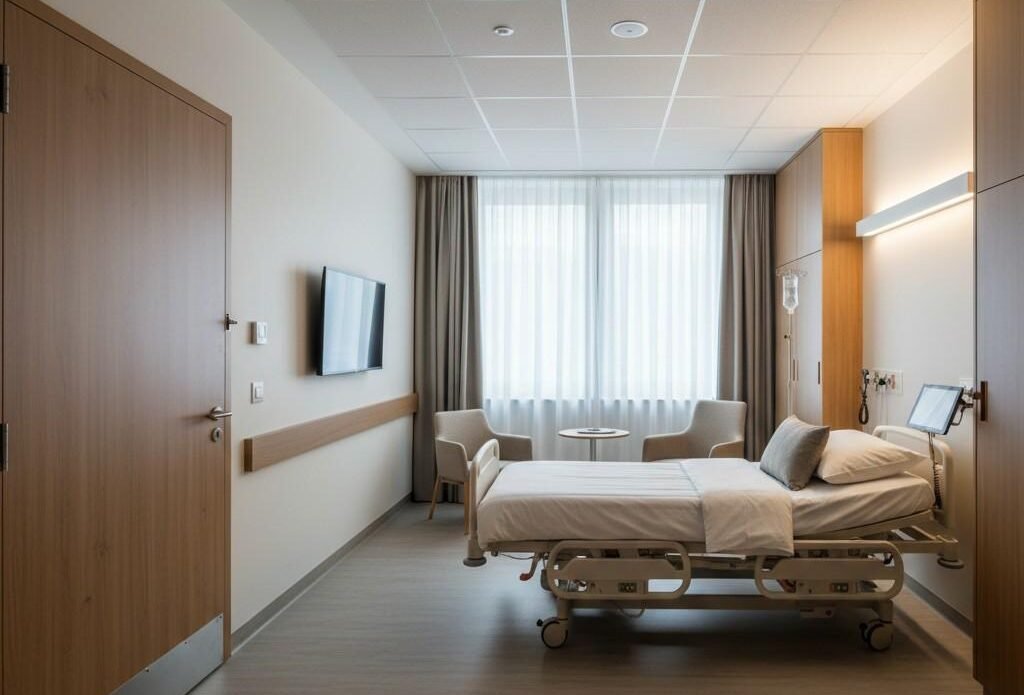
Privacy is a top concern for patients. Shared rooms often lead to disrupted sleep and uncomfortable situations. The shift toward single-patient rooms addresses these issues, offering a quiet sanctuary for rest and confidential conversations with medical providers. Beyond the room configuration, sound-absorbing materials like acoustic ceiling tiles and specialized flooring help dampen the noise of medical equipment and foot traffic. A quieter environment promotes better sleep, which is fundamental to the healing process.
Bringing Nature Indoors
Biophilic design, or the practice of incorporating natural elements into the built environment, is gaining traction in medical facilities. Indoor gardens, water features, and the use of natural materials like wood and stone create a calming atmosphere. These elements reduce blood pressure and heart rate, helping patients feel more relaxed. Even artwork depicting nature scenes can have a positive physiological effect.
Operational Efficiency and Patient Care
Good design supports the medical team as much as the patients. When staff can work efficiently, patient care improves.
Optimizing Workflow

Architects work closely with medical professionals to design spaces that minimize wasted steps. Decentralized nursing stations, for example, place caregivers closer to patient rooms. This reduces response times and allows for more frequent monitoring. Treatment rooms are designed with standardized layouts so that equipment is always in the same place, reducing the cognitive load on staff during critical moments.
Safety and Infection Control
The very structure of a building can help prevent the spread of infection. Ventilation systems are designed to filter air and control pressure relationships between rooms. Touchless entryways and easily cleanable surfaces are standard features that reduce cross-contamination. In specialized projects, such as Medical Construction in Utah where climate and regional needs vary, durability and material selection are key to maintaining a safe, sterile environment over time.
The Future of Patient-Centric Design
As healthcare continues to advance, architecture will remain a central component of patient care strategies. The focus is shifting from simply treating illness to creating holistic environments that support wellness. Flexible spaces that can adapt to new technologies and changing patient needs ensure that facilities remain relevant and effective for decades.
By prioritizing human needs in the blueprint, architects create spaces that do more than house medical equipment. They build environments that actively participate in the healing journey. When a facility is designed with empathy and precision, it empowers staff to provide their best work and offers patients the comfort and confidence they need to recover.