I didn’t always believe that food to ease chronic pain could make a real difference. I used to rely on quick fixes and ignore what I was eating. But over time, I noticed something surprising. When I changed my diet, my body responded. The stiffness reduced, my energy improved, and my daily pain felt more manageable. That’s when I realized food isn’t just fuel. It’s part of healing.
Why Food to Ease Chronic Pain Actually Works
Chronic pain is often linked to inflammation in the body. When inflammation stays high for long periods, it can lead to joint pain, muscle soreness, and fatigue. What we eat plays a direct role in either increasing or reducing that inflammation.
I started focusing on anti-inflammatory foods, and the shift was noticeable. Instead of feeling sluggish after meals, I felt lighter and more balanced. The right foods support the body’s natural healing process, which is why using food to ease chronic pain is more powerful than most people think.
Food to Ease Chronic Pain That I Added to My Daily Routine
Omega-3 Rich Foods That Support Joint Health
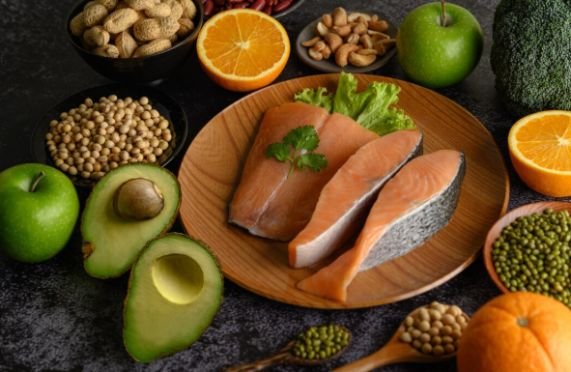
I started adding fatty fish like salmon and plant options like flaxseeds to my meals. These foods are rich in omega-3 fatty acids, which help reduce inflammation in joints. Within weeks, I noticed less stiffness in the mornings.
Antioxidant Fruits That Help Recovery
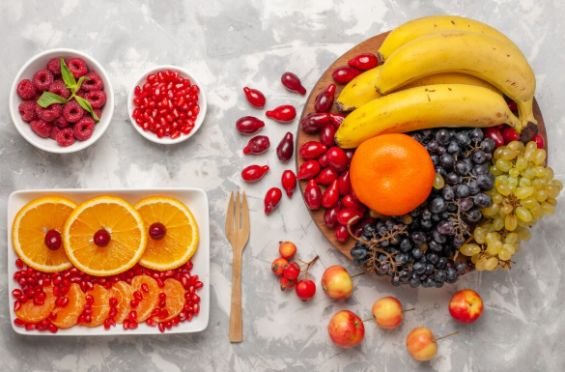
Berries and cherries became my go-to snacks. They are packed with antioxidants that fight oxidative stress. I found they helped my body recover faster, especially after long or tiring days.
Leafy Greens and Vegetables for Daily Healing
I made it a habit to include spinach, kale, and broccoli in my meals. These vegetables are full of vitamins and minerals that support long-term healing. They also helped me feel fuller without overeating.
Healthy Fats That Reduce Inflammation
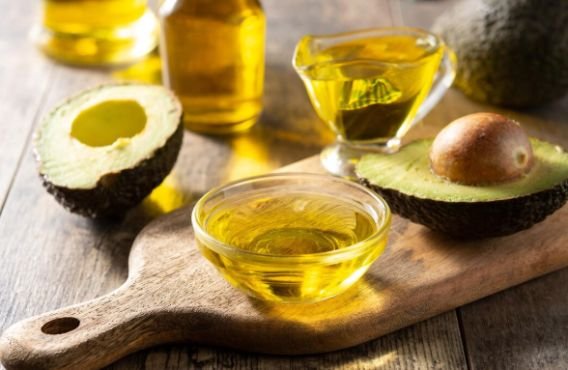
Switching to olive oil and adding nuts like almonds and walnuts made a big difference. These healthy fats help reduce inflammation markers and support overall health.
Natural Pain Fighters Like Turmeric and Ginger
I started drinking turmeric milk and ginger tea regularly. These natural ingredients have powerful anti-inflammatory properties. They became part of my evening routine and helped me wind down.
What Foods Made My Pain Worse (Avoid These)
As important as adding good foods is, removing harmful ones matters just as much. I noticed my pain would spike after eating processed or sugary foods.
Refined carbs, fried items, and sugary drinks increased inflammation in my body. Once I reduced these, my progress became more consistent. If you’re serious about using food to ease chronic pain, this step is non-negotiable.
My Daily Meal Plan Using Food to Ease Chronic Pain

I kept my routine simple so I could stick to it. In the morning, I start with warm water and a light breakfast that includes fruits and seeds. This helps me feel energized without heaviness.
For lunch, I go for a balanced plate with vegetables, healthy fats, and a protein source like fish or legumes. Dinner is usually lighter, with cooked vegetables and something easy to digest. This routine keeps my body calm and reduces flare-ups.
Many anti-inflammatory ingredients I use daily also overlap with foods for bone health, which play an important role in maintaining strength and reducing long-term discomfort.
How to Start Using Food to Ease Chronic Pain
Starting doesn’t have to feel overwhelming. I began with small changes, and that made it sustainable.
First, I replaced one unhealthy meal each day with something cleaner. Then, I gradually added more anti-inflammatory foods like greens and healthy fats. Over time, I reduced processed foods and focused on whole ingredients.
Consistency is what made the biggest difference. You don’t need perfection. You just need a routine you can follow daily. Along with focusing on pain relief, I also started including foods for acid reflux to keep my digestion calm and balanced.
FAQs
1. What is the best food to ease chronic pain?
There isn’t just one. A mix of anti-inflammatory foods like fish, berries, leafy greens, and healthy fats works best together.
2. How long does it take to see results?
In my experience, I started noticing small changes within two weeks. Bigger improvements came after consistent eating habits.
3. Can food replace medication for chronic pain?
Food can support pain management, but it doesn’t replace medical advice. It works best as part of a balanced approach.
4. What should I avoid if I have chronic pain?
Avoid processed foods, refined sugar, fried items, and excessive carbs. These can increase inflammation and worsen pain.
Conclusion
Using food to ease chronic pain changed how I approach my daily routine. It’s not about strict diets or complicated plans. It’s about making smarter choices consistently. When you give your body the right nutrients, it responds in ways that truly matter.
If you’re dealing with chronic pain, start small. Pay attention to how your body reacts. Over time, these simple changes can lead to real relief and a better quality of life.