
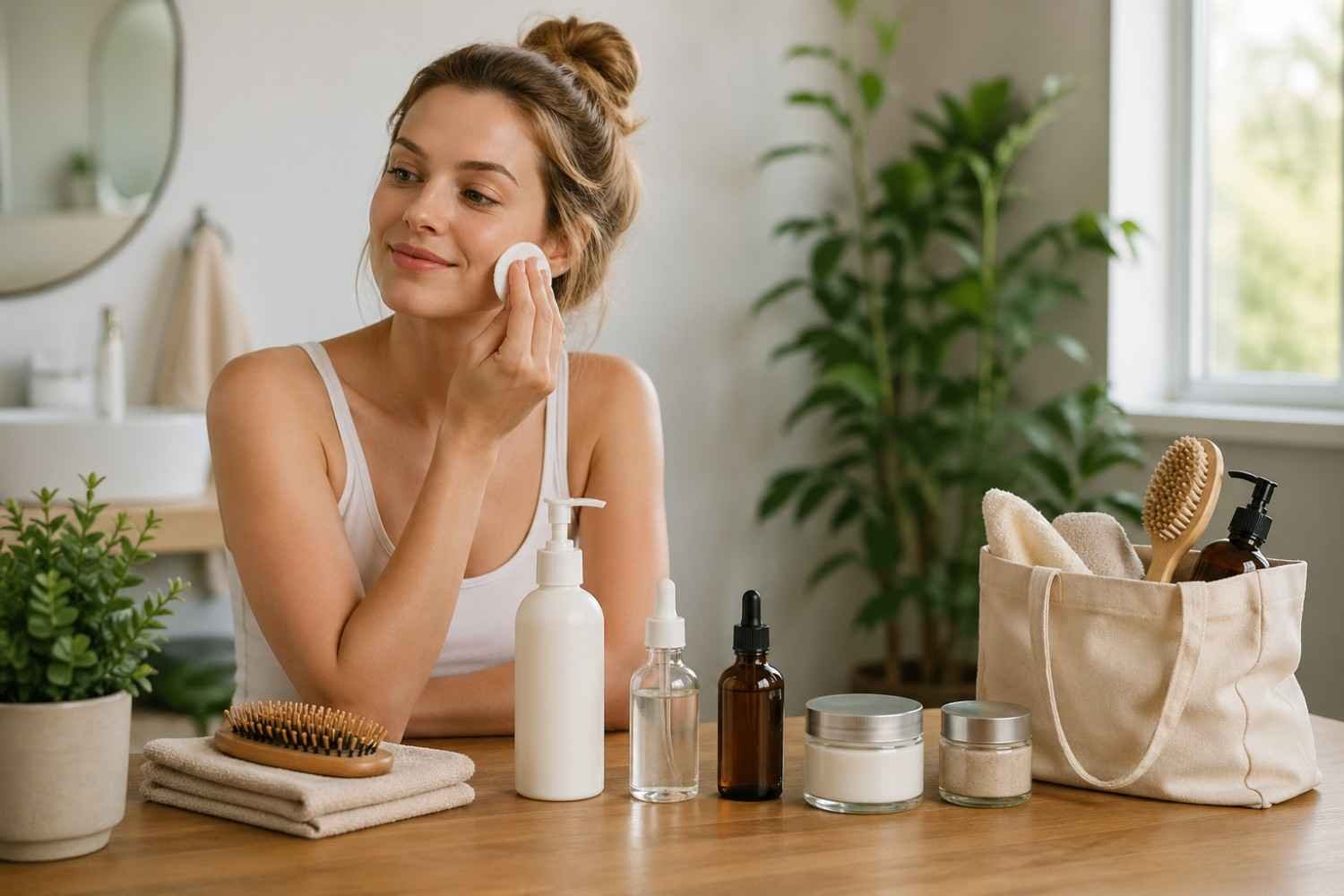
Most people start their mornings with a complex sequence of grooming habits. You might wash your face, brush your teeth, apply deodorant, and smooth on a layer of moisturizer before even stepping out of the bathroom. Each of these products seems harmless on its own. Over time, the cumulative exposure to various synthetic ingredients can place an unnecessary chemical burden on your body.
Detoxing your personal care routine involves taking a closer look at the ingredient labels on your favorite bathroom staples. The goal is to identify and replace potentially harmful compounds with safer, more natural alternatives. This process reduces your daily exposure to synthetic additives, artificial fragrances, and harsh preservatives.
Transitioning to cleaner products does not require an overnight overhaul of your entire bathroom cabinet. By making slow, intentional changes, you can cultivate a grooming regimen that supports your overall well-being. Understanding what to look for and where to begin makes the entire process highly manageable.
The Hidden Chemicals in Your Bathroom Cabinet
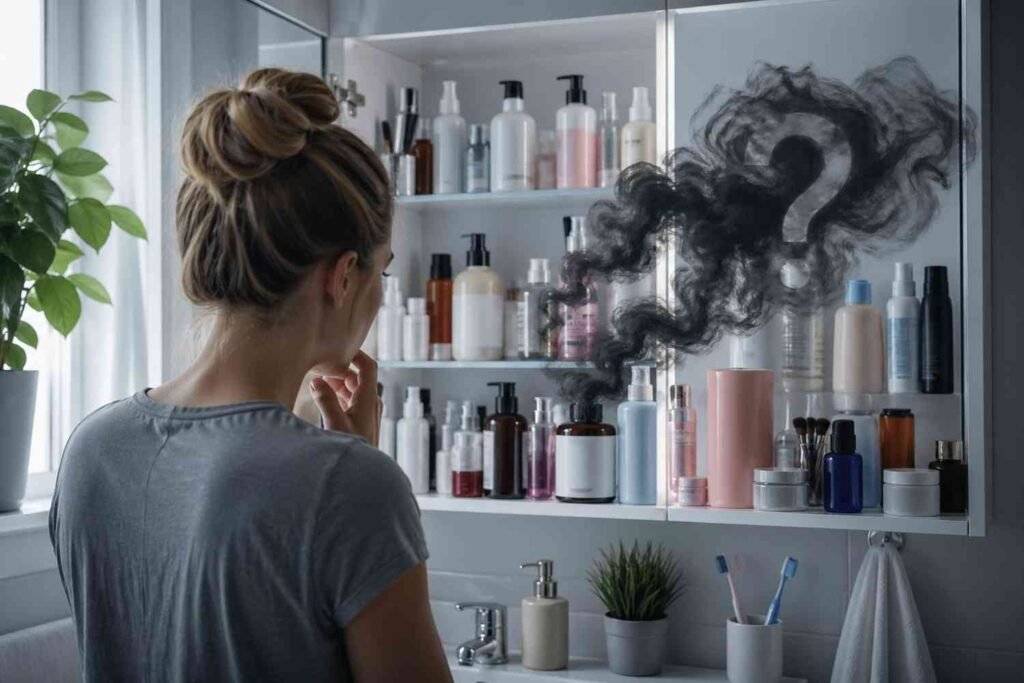
Many conventional cosmetics and grooming products rely on synthetic chemicals to extend shelf life, create lather, or provide artificial scents. Recognizing the most common offenders helps you make informed purchasing decisions.
Parabens serve as cheap preservatives to prevent bacterial growth in lotions and shampoos. Research shows that parabens can mimic estrogen in the body, potentially disrupting normal hormone function. Phthalates often hide under the generic term “fragrance” on ingredient lists. Manufacturers use them to make scents last longer, but they are also known as endocrine disruptors.
Sulfates, such as sodium lauryl sulfate (SLS), create the thick, bubbly lather we associate with soap and shampoo. While highly effective at stripping away dirt, sulfates frequently cause skin irritation and strip hair of its natural oils. Replacing these harsh detergents with gentler, plant-based cleansers keeps your skin barrier intact.
Simple Swaps for a Cleaner Routine
Creating a non-toxic regimen becomes much easier when you focus on one product category at a time. Here are a few highly effective areas to prioritize during your personal care detox.
Upgrade Your Skin Care
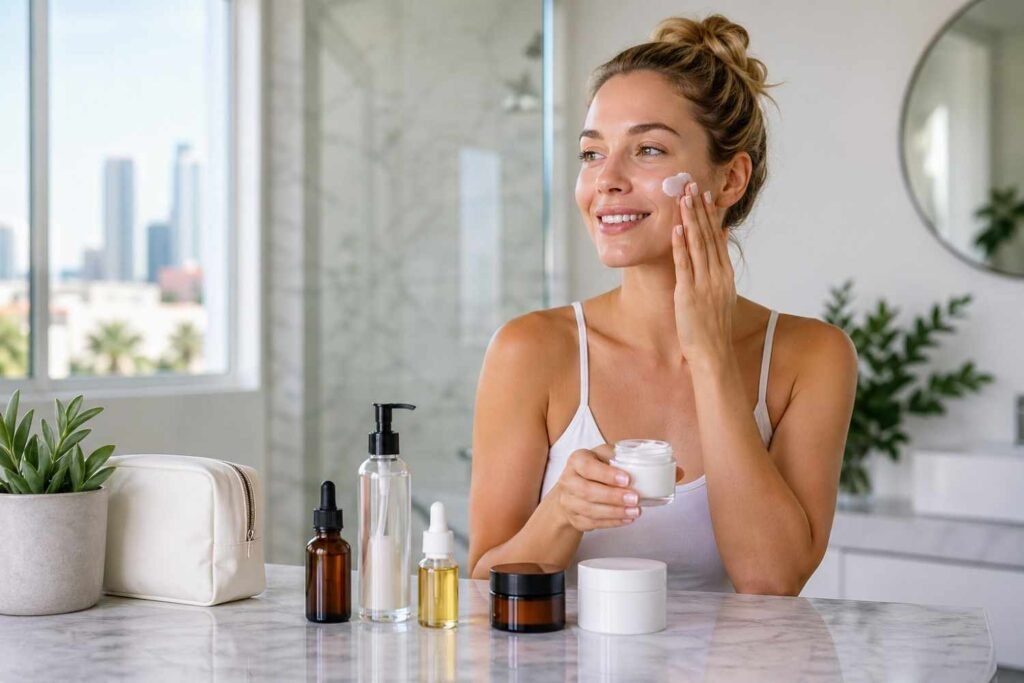
The skin is the body’s largest organ, and it absorbs a significant portion of what you apply to it. Start by swapping out heavily fragranced body lotions for organic plant oils, such as jojoba, sweet almond, or coconut oil. These natural alternatives provide deep hydration without the synthetic additives and are often considered simple home remedies that work for maintaining healthy, nourished skin. For facial care, look for serums and moisturizers formulated with natural antioxidants and botanical extracts.
Rethink Your Oral Hygiene
Conventional dental care products often contain artificial dyes, synthetic sweeteners, and harsh abrasives. Many individuals are now reevaluating their morning brushing habits to minimize chemical exposure. For example, switching to a fluoride free toothpaste offers a gentle alternative that often utilizes natural minerals like calcium and xylitol to support enamel health. Modern natural formulas frequently incorporate nanosilver technology to provide antibacterial protection and neutralize bad breath at the source, without relying on traditional synthetic compounds.
Evaluate Hair and Body Wash
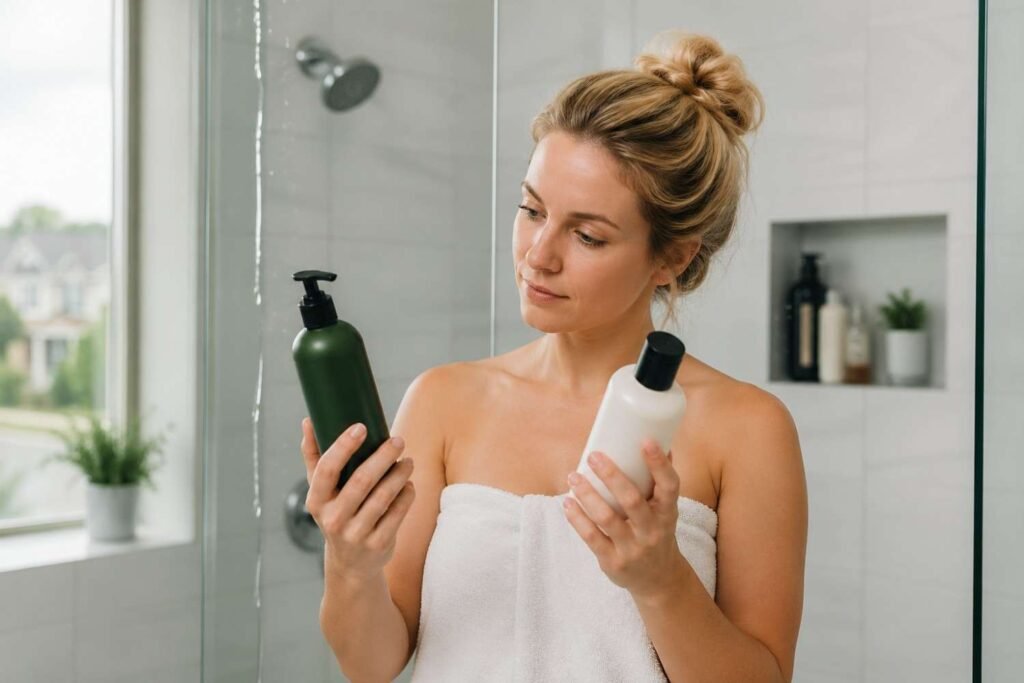
Your daily shower presents another excellent opportunity to eliminate synthetic chemicals. Seek out shampoos and body washes labeled sulfate-free and paraben-free. These products use mild surfactants derived from coconut or sugar, which clean effectively without stripping moisture from your scalp and skin.
Frequently Asked Questions
1. Do I need to throw everything away at once?
No. Discarding your entire cosmetic collection is both expensive and wasteful. The most sustainable approach is to replace items one by one as you run out of them. When you finish your current bottle of shampoo, simply purchase a cleaner alternative for your next bottle.
2. Are natural products always better for sensitive skin?
Natural ingredients are generally safer, but they can still cause allergic reactions. Essential oils, for example, are highly concentrated plant extracts that sometimes trigger irritation in sensitive individuals. Always perform a small patch test on your inner arm before applying a new botanical product to your face or body.
3. How do I identify hidden fragrances?
If an ingredient list includes the word “fragrance” or “parfum,” the product likely contains a proprietary blend of synthetic chemicals. To avoid phthalates, choose products scented exclusively with pure essential oils or opt for completely unscented formulas.
Start Small for Lasting Health Benefits
Transitioning to a cleaner personal care routine is a continuous process of learning and adjusting. By reading labels carefully and questioning standard ingredients, you take control over what you absorb into your body daily. Begin your detox by replacing the products you use most frequently, such as daily moisturizers or toothpaste. Over a few months, these gradual swaps will naturally transform your bathroom cabinet into a collection of safe, supportive, and health-conscious essentials.