
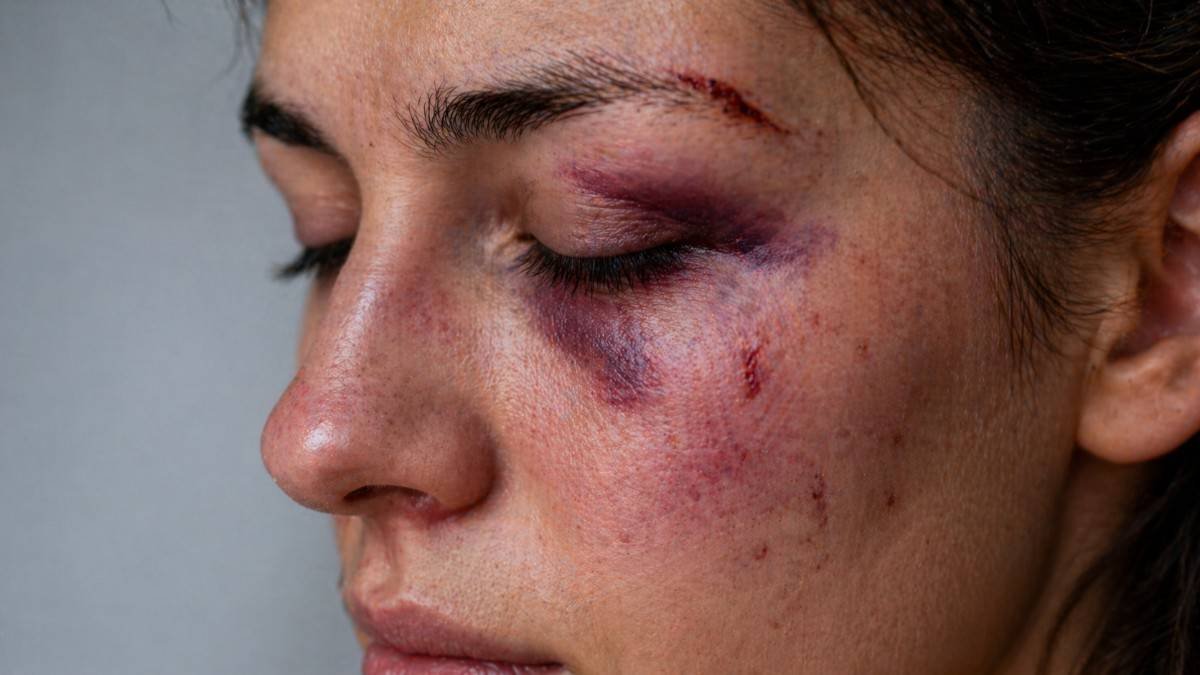
Facial injuries are among the most visible and emotionally impactful types of trauma a person can experience. Because the face contains delicate bones, soft tissue, and vital sensory organs, even minor impacts can lead to significant injury. Understanding the common causes of facial injuries helps in prevention, early treatment, and better awareness of risk in daily life.
1. Road Traffic Accidents
One of the leading causes of facial trauma worldwide is motor vehicle accidents. Collisions involving cars, motorcycles, bicycles, or pedestrians often result in high-impact forces to the face. When a person is thrown forward or strikes the steering wheel, dashboard, windshield, or road surface, facial bones such as the nose, jaw, and cheekbones can fracture.
Airbags and seatbelts have significantly reduced the severity of injuries, but they do not eliminate risk entirely. Motorcycle riders are especially vulnerable if they are not wearing helmets, as there is little protection between the face and the road or other vehicles.
2. Falls and Domestic Accidents

Falls are another major contributor to facial injuries, particularly among children and older adults. A simple slip on wet floors, stairs, or uneven surfaces can result in a direct impact to the face. In older individuals, reduced balance and bone density increase both the likelihood and severity of injury.
At home, accidents involving furniture edges, bathroom surfaces, cluttered walkways, reaction from personal care routine can also lead to facial trauma. These incidents are often underestimated but can result in fractures, cuts, or dental damage.
3. Sports-Related Injuries
Contact sports such as boxing, football, hockey, basketball, and martial arts are frequent sources of facial injuries. A direct blow from an elbow, ball, or opponent can result in broken noses, jaw fractures, or eye socket injuries.
Even non-contact sports carry risks. For example, cycling accidents or being struck by equipment like bats or rackets can cause significant facial trauma. Protective gear such as helmets, mouthguards, and face shields greatly reduce the risk, but injuries can still occur under high-impact conditions.
4. Physical Assaults and Violence

Unfortunately, interpersonal violence is another common cause of facial trauma. Physical assaults, fights, and domestic violence incidents often involve punches, kicks, or blunt objects directed at the face.
These injuries can be severe because they are often intentional and involve repeated force. In addition to fractures and soft tissue damage, victims may also suffer long-term psychological effects due to the traumatic nature of the event.
5. Workplace and Industrial Accidents
Certain occupations carry a higher risk of facial injuries, particularly in construction, manufacturing, and mining industries. Falling tools, machinery malfunctions, or explosions can cause direct facial impact.
Without proper protective equipment such as face shields and helmets, workers are highly vulnerable. Safety regulations and training are essential in minimizing these risks.
6. Animal-Related Injuries
Animal bites, especially from dogs, can result in facial wounds that vary from minor lacerations to severe tissue damage. Children are more commonly affected due to their smaller stature and closer interaction with pets. In rare cases, wild animal encounters can also lead to serious facial trauma requiring emergency medical attention.
Treatment and Recovery
Treatment for facial injuries depends on severity. Minor cuts may require cleaning and stitches, while fractures often need surgical intervention. In complex cases, specialists in maxillofacial surgery in Richmond, Indiana may be involved to restore both function and appearance of the face.
Recovery may include physical healing, stress related dental repair, and sometimes reconstructive procedures. Emotional support is also important, especially for patients dealing with visible changes or trauma-related stress.
Prevention Matters
While not all facial injuries are avoidable, many can be reduced with proper precautions. Wearing seatbelts, using protective sports gear, maintaining safe environments at home, and following workplace safety protocols all play a significant role in prevention.
Awareness of risks is the first step toward reducing the likelihood of injury. By understanding how facial trauma occurs, individuals can take proactive steps to protect themselves and others.