

Spending long hours at a desk might seem harmless, but everyday routines can quietly damage your physical health over time. Millions of professionals endure silent suffering, completely unaware that their standard daily tasks are triggering persistent discomfort. By recognizing and adjusting these harmful patterns, you can effectively protect your body and reclaim your daily comfort.
Understanding the Root Causes of Workplace Pain

Many individuals experience physical discomfort without realizing that their daily routines are the primary culprits. Identifying the specific habits that cause bodily strain is the first crucial step toward long-term relief and prevention.
Poor Posture and Ergonomics
Slouching over a keyboard or leaning too close to a monitor places immense stress on the spine, neck, and shoulders. Over time, this unnatural alignment forces muscles to work harder to support the body, leading to tension and fatigue. Poorly adjusted chairs and desks that sit too high or too low exacerbate the issue.
When the body is continuously forced into awkward positions, the skeletal structure bears unnecessary weight. Correcting these fundamental ergonomic flaws is critical for anyone looking to eliminate daily discomfort and maintain a healthy, pain-free posture throughout the workweek.
Repetitive Motion and Overuse
Typing, clicking a mouse, or performing the same manual task for hours on end can severely damage tendons and joints. These repetitive motions often lead to overuse injuries, where the constant friction and strain cause inflammation in the affected areas.
Conditions like tendonitis or carpal tunnel syndrome frequently develop when workers fail to take adequate breaks to rest their hands and wrists. Without proper recovery time, the micro-tears in the muscle tissue cannot heal. Recognizing the physical toll of these continuous movements allows professionals to modify their workflow and protect their joints.
The Impact of Sedentary Behavior
The human body is designed for regular movement, yet modern work environments heavily promote remaining stationary. This lack of physical activity contributes significantly to the development of persistent muscle and joint issues.
Prolonged Sitting and Its Dangers
Remaining seated for extended periods severely restricts blood flow and increases the pressure on the lower back. This constant compression can damage spinal discs and lead to severe lumbar pain over months and years of office work. Furthermore, the hip flexors tighten up while the gluteal muscles weaken, creating severe muscular imbalances that alter how a person walks and stands.
The cumulative effect of these physical changes often manifests as intense, radiating pain throughout the lower body. This growing concern highlights how sitting too much and sedentary work are affecting modern health, contributing to poor posture, reduced mobility, muscle imbalances, and chronic discomfort among office workers. Breaking the cycle of prolonged sitting is necessary to preserve spinal health, maintain flexibility, and support long-term physical well-being.
The Importance of Movement
Introducing brief periods of physical activity into the workday counteracts the negative effects of remaining stationary. Walking around the office, stretching the legs, or simply standing up to take a phone call promotes healthy blood circulation and relieves spinal compression.
Movement lubricates the joints, reducing stiffness and allowing muscles to maintain their natural elasticity. Professionals who actively seek opportunities to move throughout the day report significantly lower levels of physical fatigue and bodily tension. Consistent, light activity serves as a powerful defense against the stiffness that precedes severe joint and muscle conditions.
Psychological Factors and Pain
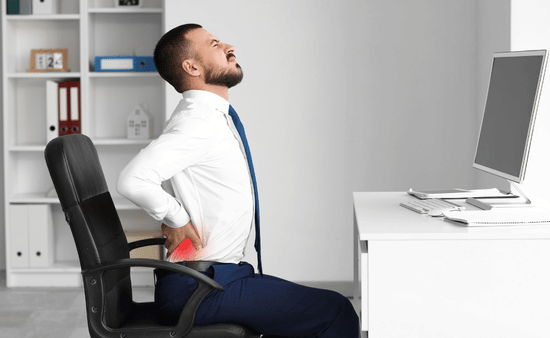
Physical strain is not the only source of bodily discomfort in a professional setting. Mental and emotional pressures significantly influence how the body physically responds to the work environment.
Stress and Its Physical Manifestations
High-pressure deadlines and demanding workloads trigger the body’s natural fight-or-flight response, releasing hormones that cause muscles to contract. When individuals experience chronic stress, their bodies remain in a constant state of muscular tension, particularly in the neck, jaw, and upper back.
This sustained tightness eventually leads to severe headaches and deep muscle aches that persist long after the workday concludes. Employees often clench their teeth or hunch their shoulders without realizing it. Addressing this hidden physical tension requires identifying and managing the underlying professional stressors causing the physical reaction.
The Mind-Body Connection
The relationship between mental well-being and physical health is undeniable, especially regarding how the nervous system processes discomfort. Anxiety and emotional exhaustion can amplify the brain’s perception of pain, making mild physical irritations feel much more severe.
This connection highlights why health and wellness are important, as maintaining both mental and physical well-being helps the body manage stress more effectively, supports resilience, and reduces the risk of chronic discomfort. Prioritizing overall wellness can improve quality of life while promoting better long-term health outcomes.
Conversely, individuals who feel supported and relaxed at work tend to experience fewer physical complaints, even when performing identical tasks. Cultivating a positive mental state helps downregulate the nervous system, thereby reducing the intensity of physical symptoms. Recognizing this connection allows workers to treat their discomfort holistically rather than focusing solely on physical symptoms.
Breaking Bad Habits and Building a Healthier Workspace
Transforming a harmful work environment into a supportive one requires conscious effort and strategic changes to daily routines. Implementing practical solutions can dramatically alter how the body feels at the end of the day.
Ergonomic Solutions and Adjustments
Creating a workspace that supports the body’s natural alignment is vital for long-term health. Adjusting the height of a chair so that feet rest flat on the floor prevents unnecessary lower back strain. Positioning monitors at eye level eliminates the need to tilt the head forward, protecting the cervical spine from excessive weight bearing.
Keyboards and mice should be placed where the elbows can rest comfortably at a ninety-degree angle, reducing tension in the shoulders and wrists. These structural modifications provide immediate relief and prevent future injuries from developing.
Incorporating Regular Movement
Establishing a routine that forces periodic movement breaks is a highly effective way to combat physical stiffness. Setting a timer to go off every hour serves as a reliable reminder to stand, stretch, and step away from the workstation. Performing simple stretches for the neck, wrists, and legs keeps the muscles loose and promotes healthy circulation.
Even substituting a traditional desk for a standing desk alternative can provide the necessary physical variation the body craves. Consistently interrupting stationary habits with dynamic movement is a cornerstone of maintaining bodily health in an office environment.
Proactive Strategies for Pain Prevention

Preventing persistent discomfort requires a forward-thinking approach that encompasses both mental practices and external medical support. Taking action before minor aches turn into severe issues guarantees a healthier career trajectory.
Mindfulness and Stress Reduction Techniques
Practicing mindfulness during the workday helps individuals become acutely aware of their physical tension before it escalates into severe aches. Deep breathing exercises can be performed directly at a desk to lower the heart rate and signal the muscles to relax.
Taking five minutes to perform a mental body scan allows workers to identify where they are holding stress and consciously release it. Implementing these relaxation techniques regularly builds resilience against the physical manifestations of professional pressure. A calm mind directly translates to a more relaxed and comfortable physical state.
Seeking Professional Guidance
When workplace habits lead to localized or persistent discomfort, consulting with medical experts becomes necessary to prevent permanent damage. Physical therapists can provide targeted exercises to strengthen weakened muscles and correct severe postural imbalances.
Sometimes, pain originates from poor foundational support, requiring the expertise of a specialist; for example, consulting a foot doctor in Orem could help identify if improper footwear during long shifts is contributing to knee or back issues.
Professional assessments offer personalized strategies that generic advice simply cannot cover. Utilizing medical guidance ensures that underlying problems are properly diagnosed and treated before they escalate.
Conclusion
Addressing workplace habits is essential for maintaining long-term health and preventing persistent discomfort. Small, deliberate changes to your daily routine can significantly reduce physical strain and improve your overall quality of life. By prioritizing ergonomic adjustments and regular movement, you empower yourself to work comfortably. Start making positive health changes today.