
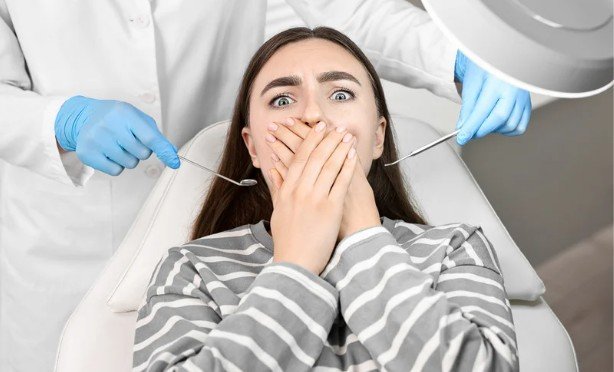
Understanding the Psychology Behind Dental Apprehension
The dental chair has long held a peculiar place in the collective imagination, often associated with discomfort rather than care. This perception presents both a challenge and an opportunity for modern dental practices seeking to reshape patient experiences.
Dental professionals’ experiences indicate that dental anxiety affects a significant portion of the population, influencing whether individuals seek necessary treatment or postpone care indefinitely. The transformation of this anxiety into genuine anticipation requires more than clinical excellence; it demands a thoughtful approach to how practices communicate their values and services.
Strategic dental marketing recognises that first impressions often occur long before a patient enters the surgery. Every touchpoint, from website design to social media presence, contributes to the narrative surrounding a practice. When these elements work harmoniously, they create an environment where potential patients feel understood, valued, and most importantly, safe. The shift from apprehension to anticipation begins with acknowledging patient concerns whilst simultaneously presenting the practice as a welcoming space dedicated to comfort and care.
The Role of Visual Identity in Patient Comfort

Colour psychology plays a remarkable role in shaping emotional responses to healthcare environments. Traditional clinical whites and sterile blues, whilst conveying cleanliness, can inadvertently reinforce the very anxieties practices wish to alleviate.
Forward-thinking dental surgeries are embracing warmer palettes and contemporary design elements that suggest professionalism without coldness. These visual choices extend beyond physical spaces to encompass websites, brochures, and social media platforms, creating a cohesive brand identity that speaks to modern sensibilities.
Typography, imagery, and layout all contribute to the overall impression a practice makes. Photographs featuring genuine smiles from satisfied patients prove far more effective than stock imagery of anonymous individuals.
Authentic testimonials, when presented thoughtfully, build trust and demonstrate real-world results. The strategic use of white space in marketing materials conveys organisation and clarity, suggesting that the practice approaches patient care with similar attention to detail.
Communication Strategies That Build Trust
The language employed in marketing materials significantly influences how potential patients perceive their prospective experience. Technical jargon, whilst demonstrating expertise, can create distance between practitioner and patient. Conversely, overly simplified language may inadvertently patronise. This same balance matters when discussing patient concerns such as workplace habits that lead to chronic pain, where clear, empathetic language can educate without overwhelming or alienating the reader.
The most effective communication strikes a balance, explaining procedures with clarity whilst respecting the intelligence of the audience. This approach acknowledges that informed patients feel more in control, and control is the antidote to anxiety.
Transparency regarding procedures, costs, and timeframes demonstrates respect for patient autonomy. When practices openly discuss what patients can expect during appointments, they remove the fear of the unknown that so often fuels dental apprehension.
Educational content, whether delivered through blog posts, videos, or social media, positions the practice as a trusted resource rather than simply a service provider. This shift in perception transforms the patient-practitioner relationship from transactional to collaborative.
Digital Presence and Patient Engagement

Modern dental marketing leverages digital platforms to create ongoing relationships with patients. Evidence suggests that patient engagement strategies significantly improve treatment adherence and satisfaction.
Social media channels offer opportunities to showcase practice personality, share oral health tips, and celebrate patient successes. These platforms humanise the practice, revealing the individuals behind the clinical expertise and fostering connections that extend beyond appointments.
Website functionality matters as much as aesthetics. Online booking systems, virtual consultations, and clear contact information remove barriers to accessing care. Studies on patient communication preferences highlight the importance of offering multiple channels for interaction, accommodating varying comfort levels with technology and communication styles.
Creating Lasting Positive Associations
The ultimate goal of strategic dental marketing extends beyond attracting new patients; it aims to fundamentally alter perceptions of dental care. When practices successfully transform anxiety into anticipation, they create advocates who share their positive experiences within their communities.
This organic promotion proves far more valuable than any advertising campaign, as personal recommendations carry inherent credibility. By thoughtfully designing every aspect of the patient journey, from initial discovery through post-treatment follow-up, practices can rewrite the narrative surrounding dental care, one satisfied patient at a time.