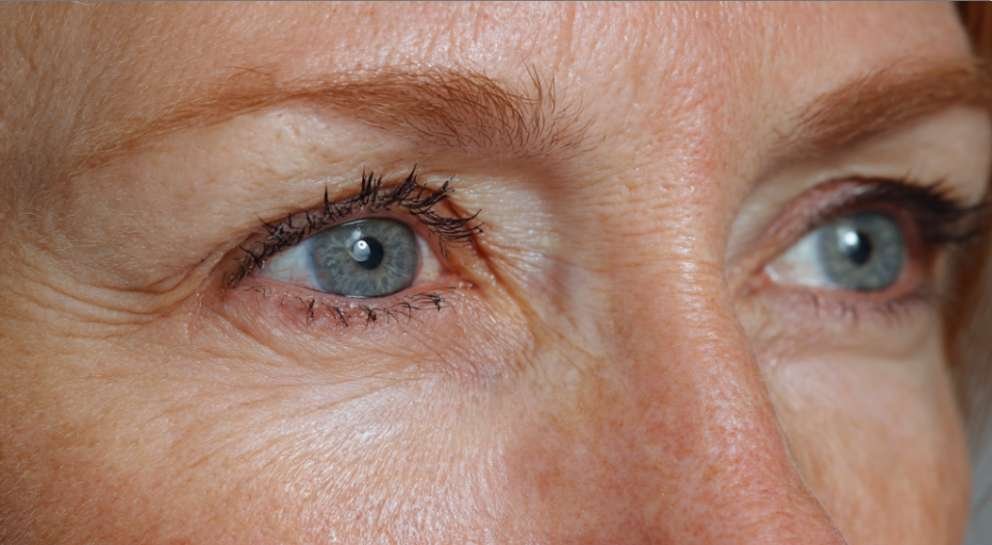
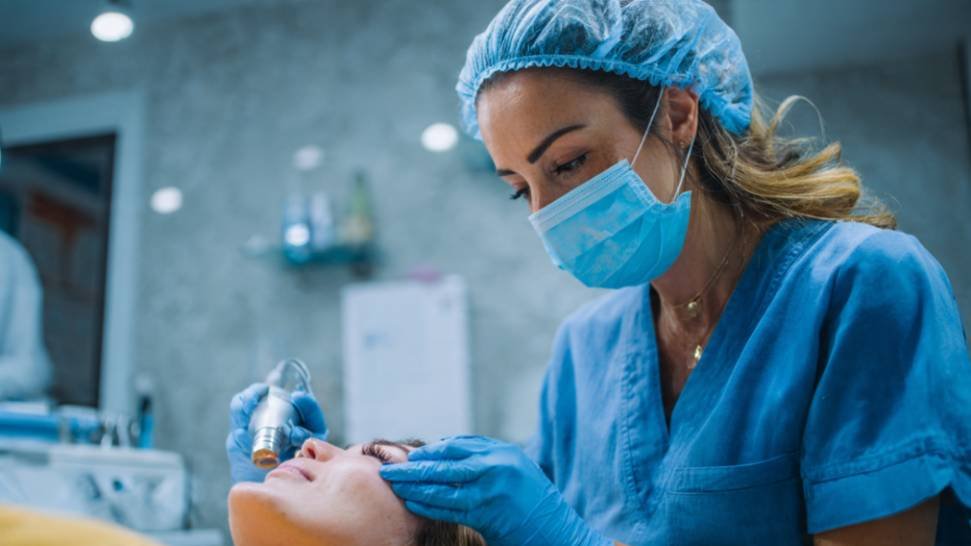
CO2 laser resurfacing treatments are a popular method for rejuvenating the skin, treating scars, and reducing wrinkles. While these treatments are effective for many, they can sometimes go wrong, leaving patients with unwanted side effects, scarring, or other complications.
If you’ve experienced a botched CO2 laser procedure, you’re not alone. In fact, many people face disappointing results. But don’t worry; help is available.
In this article, we’ll explore why CO2 laser treatments can go wrong, what common complications arise, how to fix the damage, and how to prevent these issues from happening in the first place.
Key Takeaways
- CO2 Laser Risks: While effective, CO2 laser treatments can cause complications like burns, scarring, and pigmentation changes if not done correctly.
- Immediate Recovery: Hydrate, protect from sun exposure, and consult your practitioner if complications arise.
- Prevention: Choose an experienced practitioner, follow proper aftercare, and ensure the treatment is suitable for your skin type.
- Mental Health: A botched procedure can impact self-esteem, so seek emotional support when needed.
What is CO2 Laser Resurfacing?
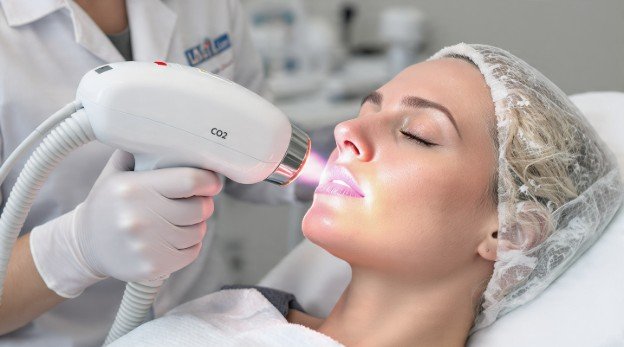
CO2 laser resurfacing is a skin treatment that uses carbon dioxide (CO2) lasers to remove damaged skin layers, structure and promote the growth of new, healthy skin. It’s often used for:
- Wrinkle reduction
- Treating acne scars
- Skin rejuvenation
- Correcting sun damage
The procedure can be performed as a full-face treatment or on localized areas, and it works by creating tiny holes in the skin, stimulating collagen production and improving texture.
Why CO2 Lasers Can Go Wrong
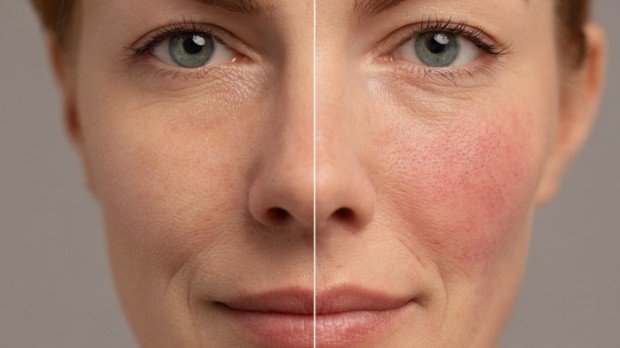
While the procedure can yield fantastic results, CO2 laser treatments can also have their fair share of complications. Here are some of the most common reasons why a CO2 laser treatment might go wrong:
Inexperienced Practitioners
One of the most significant factors leading to botched CO2 laser results is the lack of experience on the part of the practitioner.
A skilled dermatologist or laser technician knows how to adjust the settings for your specific skin type, ensuring that the treatment is effective without causing harm.
Incorrect Treatment Settings
If the CO2 laser’s settings are too intense, it can cause burns or deep scars. Alternatively, settings that are too weak may not achieve the desired effect, leaving you with uneven results.
Skin Type Considerations
Not all skin types are suited for CO2 laser treatments. People with darker skin tones or sensitive skin may experience complications, such as hyperpigmentation (dark spots) or hypopigmentation (light spots).
Inadequate Aftercare
Proper aftercare is crucial for healing after a CO2 laser procedure. Neglecting to follow instructions can lead to infections, scarring, or prolonged redness.
Complications & Side Effects of CO2 Laser Treatments
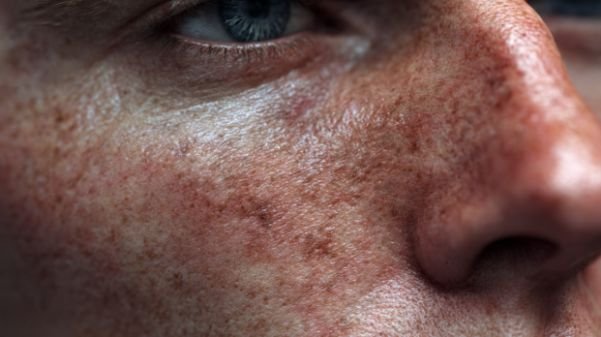
While CO2 laser treatments are generally safe, they can sometimes lead to complications. Here are some of the most common issues patients face after a botched CO2 laser treatment:
Burns and Scarring
One of the more severe complications is the development of burns or permanent scarring. This typically occurs if the laser is too powerful or improperly applied to sensitive areas.
Hyperpigmentation or Hypopigmentation
Skin discoloration, either darker or lighter than your natural skin tone, is a common side effect. This can happen if the treatment is not calibrated to your skin type or if you’re exposed to the sun too soon after the procedure.
Infection Risks
Since the treatment involves creating small wounds in the skin, there’s a risk of infection if proper aftercare isn’t followed. Always keep the treated common areas cleaning and use prescribed ointments or medications.
Prolonged Redness
For some people, redness can persist for weeks or even months after a CO2 laser treatment. This can be particularly frustrating if you were expecting a quick recovery.
How to Fix CO2 Laser Damage
If you’ve experienced any of the complications listed above, don’t panic. There are ways to fix the damage and help your skin care.
Immediate Steps After Botched Results
- Contact Your Practitioner: If you notice unusual redness, burns, or blisters, immediately reach out to the person who performed your procedure. They may be able to adjust your aftercare plan or provide treatment to minimize damage.
- Hydrate Your Skin: Keeping your skin hydrated is key. Drink plenty of water and apply a gentle, hydrating moisturizer to help your skin heal.
- Avoid Sun Exposure: Protect your skin from the sun using broad-spectrum SPF 30 or higher. Exposure to sunlight can worsen pigmentation issues.
Medical Treatments for Repair
- Topical Treatments: Doctors may recommend prescription ointments or creams to treat pigmentation changes or scarring.
- Laser Treatments for Scarring: Sometimes, a follow-up laser treatment may be used to address scarring. Fractional lasers, for example, are often used to treat post-laser scars.
- Steroid Injections: For severe scarring or keloids, your doctor may suggest steroid injections to reduce inflammation and promote healing.
Home Remedies

- Aloe Vera: Known for its soothing properties, aloe vera can help calm inflamed skin.
- Vitamin C: This antioxidant can help speed up healing and reduce pigmentation issues. Look for serums with a stable form of vitamin C.
Prevention: How to Ensure a Successful CO2 Laser Treatment

Prevention is better than cure. Here’s how to ensure that your CO2 laser treatment goes smoothly:
Choose the Right Practitioner
It’s essential to select an experienced dermatologist or technician who has a track record of successful CO2 laser treatments. Check reviews, ask for before/after photos, and confirm their qualifications.
Proper Aftercare
Follow all aftercare instructions carefully. This typically includes avoiding makeup, applying prescribed creams, and refraining from sun exposure.
Know Your Skin Type
Make sure you discuss your skin type with your practitioner. Certain skin tones may be more prone to pigmentation issues, and your practitioner can adjust the treatment to suit your needs.
Understand the Risks
No procedure is without risk. Be fully aware of the potential side effects before undergoing the treatment. This will help you make an informed decision.
Frequently Asked Questions:-
1. What should I do if I experience scarring after a CO2 laser treatment?
If you experience scarring, reach out to your practitioner for advice. Treatments like steroid injections or additional laser sessions may help minimize scarring.
2. How long does it take to recover from CO2 laser resurfacing?
Recovery time varies based on the depth of treatment, but typically, you can expect redness for 1-3 weeks. Full skin healing can take up to 6 months.
3. Can CO2 laser damage be fixed with another treatment?
Yes, in many cases, additional treatments such as fractional laser resurfacing can help treat scars or pigmentation issues caused by the initial CO2 laser procedure.
4. Is CO2 laser resurfacing safe for all skin types?
While CO2 laser is effective for many people, individuals with darker skin tones may be at higher risk for hyperpigmentation. Always discuss your skin type with your practitioner before undergoing the treatment.
How To Fix If CO2 Laser Gone Wrong
CO2 laser resurfacing can offer remarkable skin improvements, but like any cosmetic procedure, it comes with risks. Understanding these risks, knowing how to address complications, and taking preventative steps can help you avoid botched results and ensure a successful treatment.
If you’ve experienced problems, don’t hesitate to consult with a medical professional for a tailored recovery plan. Your skin’s health is worth it!