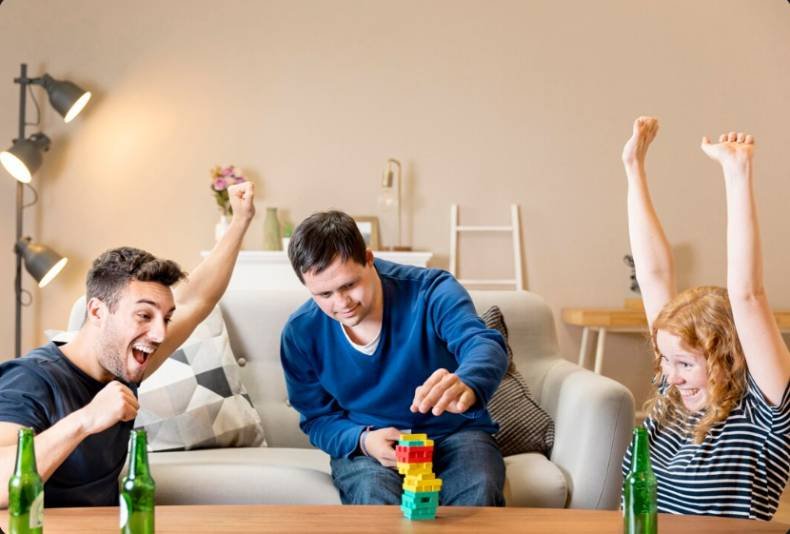
Family time often revolves around screens, movies, or silent reading. While relaxation has its place, bringing energy and movement into the home creates lasting memories. A dedicated family sports night transforms your living room or backyard into an arena of laughter and healthy competition.
You do not need a massive stadium or expensive equipment to get everyone moving. With a little creativity, you can host an exciting event that appeals to toddlers, teens, and adults alike.
This guide explores practical ideas for organizing a successful sports night. We will cover adaptable games, setup tips, and ways to keep the energy high without leaving your house.
Setting the Stage for Competition
The atmosphere makes a huge difference. Treat your home like a real venue. Clear out breakable items and push furniture against the walls to maximize floor space. You can create a simple scoreboard using a whiteboard or a large sheet of paper.
Let family members pick team names or colors to wear. This small step builds anticipation and gets everyone in the right mindset.
Music also plays a vital role. Create a playlist with high-energy songs that keep the tempo up. Think about stadium anthems or fast-paced tracks that encourage movement. Lighting can also set the mood; dim the main lights and use lamps for a “night game” feel if you are playing indoors.
Accessible Games for Every Skill Level
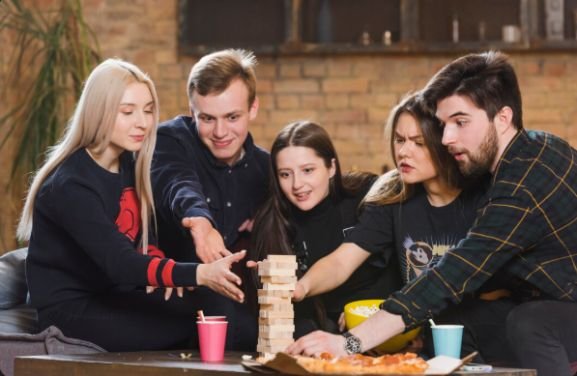
The challenge with family activities is finding something everyone can play. A game that thrills a teenager might bore a six-year-old. The key is adaptability.
Balloon Volleyball
This classic indoor game is safe and hilarious. You simply need a balloon and a “net,” which can be a piece of string tied between two chairs or even a line of couch cushions.
The slow movement of the balloon gives younger children plenty of time to react, leveling the playing field. To make it harder for adults or older kids, implement rules like “one hand only” or “play while on your knees.”
Hallway Bowling
Plastic bottles make excellent pins. Set up ten empty bottles at the end of a hallway. Use a soft ball, like a tennis ball or a rolled-up pair of socks, to knock them down. You can weigh the bottles down with a little water if they fall too easily. This game teaches precision and patience without requiring athletic prowess.
Obstacle Course Relay
Use pillows, chairs, and blankets to construct a course. Participants might have to crawl under a table, hop over a pillow, or balance a book on their head while walking a straight line.
Time each person as they go through. This activity burns energy quickly and allows for endless variations. You can change the course layout every round to keep it fresh.
Leveling Up Your Gear
While DIY solutions are fantastic, sometimes investing in specific equipment enhances the experience. You might consider items that offer replay value and grow with your family’s interests. A mini basketball hoop that hangs over a door can provide hours of shootout fun. Table tennis conversion tops work well on dining tables.
For families who love precision sports, technology offers amazing options. An indoor golf simulator for home allows players to practice their swing regardless of the weather outside.
These devices can track ball flight and provide feedback, turning a technical sport into an accessible game for the living room. However, simple putters and a cup on the carpet work just as well for a low-tech version.
Mental Games and Strategy
Sports are not just about physical exertion. Including strategy-based challenges gives the thinkers in the family a chance to shine.
Sports Trivia
Between physical rounds, host a quick trivia session. Ask questions about famous athletes, game rules, or team histories. This cools everyone down while keeping the competitive spirit alive.
Target Toss
Set up buckets or bowls at different distances. Assign point values based on difficulty. Using bean bags or soft balls, players try to score as many points as possible in one minute. This requires focus and strategy rather than speed or strength.
Keeping the Momentum Going
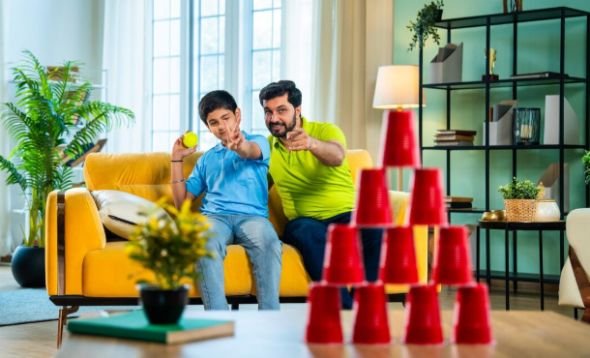
A successful sports night needs a good flow. Avoid long pauses between games where interest might wane. Have the next activity prepped before the current one ends. Keep snacks light and hydrating—water and fruit slices are better than heavy meals that might make players sluggish.
Celebrate effort over victory. While winning is fun, the goal is connection. High-fives and cheering for good plays, regardless of who makes them, foster a positive environment. You might even create a “MVP” trophy from household items to award to the person who showed the best sportsmanship.
Conclusion
Family sports night offers a powerful way to bond, exercise, active mind and break the routine of daily life. It proves that play is not just for children. By adapting games to fit your space and family dynamic, you create an inclusive environment where everyone participates.
Clear the furniture, pick your teams, and get ready to play. The memories you build tonight will last far longer than the final score.