
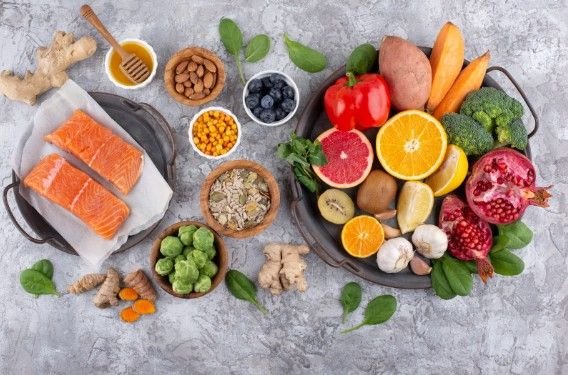
Managing acid reflux involves choosing foods that help soothe your digestive system and promote overall gut health. By making the right food choices, you can significantly reduce discomfort, manage symptoms more effectively, and improve your quality of life.
It’s not just about avoiding triggers, but also about incorporating reflux-friendly foods that support your body’s natural healing processes. Adopting these dietary changes can provide long-term relief and reduce the need for medications. Here are some of the best foods for acid reflux and how to incorporate them into your daily diet.
Top Foods for Acid Reflux Relief
Whole Grains: High-Fiber Staples for Digestive Health
Whole grains like oatmeal, brown rice, and whole-wheat bread are rich in fiber, which helps absorb excess stomach acid. Starting your day with a bowl of oatmeal is not only satisfying but also gentle on the digestive system.
Non-Citrus Fruits: Gentle on Your Stomach
Citrus fruits like oranges and lemons are known acid offenders, but non-citrus fruits such as bananas, melons (watermelon, cantaloupe), apples, and pears are gentle on your digestive tract. These fruits are naturally alkaline and soothing for acid reflux sufferers.
Vegetables: Leafy Greens & Root Veggies for Relief
Leafy greens like spinach, kale, and broccoli are rich in nutrients and low in acidity, making them perfect for your reflux-friendly diet. Root vegetables like potatoes and carrots also help balance stomach acid levels.
Lean Proteins: Choose Chicken and Fish Over Fatty Meats
Proteins are an essential part of any balanced diet. For acid reflux relief, opt for lean proteins such as skinless chicken, turkey, and fish (grilled or baked). These proteins are easier on the stomach than fatty meats like beef or pork.
Healthy Fats: Support Gut Health Without Triggers
Healthy fats, such as avocado and olive oil, offer essential nutrients that support overall health while being gentle on the digestive system. These fats help promote gut health without aggravating acid reflux. By incorporating them into your diet, you can enjoy their benefits without triggering reflux symptoms.
Best Beverages for Acid Reflux Relief

Herbal Teas: Chamomile and Ginger for Soothing Effects
Herbal teas like ginger and chamomile are great choices to help relieve acid reflux symptoms. These teas have natural anti-inflammatory properties that can soothe the stomach. Just be cautious with peppermint tea, as it can relax the esophageal sphincter and potentially trigger reflux.
Coconut Water: Hydrating and Alkaline
Coconut water is a hydrating beverage that’s low in acidity, which makes it an excellent choice for those with acid reflux. It can help neutralize acid and provide relief from symptoms.
Foods to Avoid for Acid Reflux
Below given are the top that you should avoid for acid reflux:
High-Fat and Fried Foods: Avoid These Triggers
Fatty foods such as fried chicken, French fries, and high-fat meats like beef and pork should be avoided, as they can relax the lower esophageal sphincter and worsen reflux symptoms. These foods also slow down digestion, which can contribute to discomfort.
Citrus and Acidic Foods: Steer Clear of These
Citrus fruits like oranges, lemons, and tomatoes are highly acidic and can irritate the esophagus. These should be limited or avoided altogether if you experience frequent acid reflux.
Spicy Foods: Avoid Irritating Ingredients
Spices like chili powder, black pepper, and raw garlic can irritate the digestive tract, making acid reflux symptoms worse. If you suffer from acid reflux, it’s best to avoid heavily spiced dishes.
Caffeine and Alcohol: Triggers for Acid Production
Both caffeine and alcohol can stimulate acid production and relax the esophageal sphincter, making them common reflux triggers. Reducing your intake of coffee, tea, and alcohol can help manage acid reflux.
How to Cure Acid Reflux and Manage Symptoms
Below given are way that help cure and manage acid reflux symptoms:

1. Lifestyle Changes for Lasting Relief
While diet plays a crucial role in managing acid reflux, lifestyle changes can provide additional relief. Consider these tips for long-term improvement:
- Eat Smaller Meals: Large meals can increase pressure on the stomach, leading to reflux. Opt for smaller, more frequent meals throughout the day.
- Avoid Eating Before Bedtime: To prevent nighttime reflux, avoid eating within 2–3 hours before lying down.
- Elevate Your Head: If you suffer from nighttime reflux, elevating your head while sleeping can help reduce symptoms.
- Maintain a Healthy Weight: Excess weight, particularly around the abdomen, can put extra pressure on the stomach and contribute to acid reflux.
3. When to Seek Medical Help
If your acid reflux symptoms persist despite lifestyle changes and dietary adjustments, or if they worsen over time, it may be time to consult a doctor. In some cases, untreated GERD can lead to complications like esophageal damage or ulcers. A healthcare provider can help determine the best course of action, including further treatments or diagnostic tests.
Tips for Managing Acid Reflux Through Diet
Below discussed are important tips that will help you manage your acid reflux:

Portion Control and Meal Timing
Eating large meals can worsen acid reflux symptoms. It’s important to focus on smaller, more frequent meals throughout the day to prevent overloading the stomach. Also, avoid lying down immediately after eating. Wait at least 2–3 hours before reclining to give your stomach time to digest the food properly.
Frequently Asked Questions
1. Can Drinking Water Help with Acid Reflux?
Yes, drinking water can help neutralize stomach acid and alleviate irritation in the esophagus. It’s essential to stay hydrated throughout the day to help manage symptoms.
2. Is Yogurt Good for Acid Reflux?
Low-fat yogurt with probiotics can promote a healthy digestive system and soothe the stomach lining. It’s a great addition to a reflux-friendly diet, but be cautious of flavored varieties with added sugars.
3. What’s the Best Food for Acid Reflux at Night?
For a reflux-friendly dinner, consider eating non-citrus fruits like bananas, oatmeal, and lean protein such as chicken or turkey. These foods are gentle on the stomach and less likely to trigger acid reflux.
4. Can I Drink Coffee If I Have Acid Reflux?
Coffee, especially regular coffee, can trigger acid reflux due to its caffeine content. If you love coffee, consider switching to decaf or reducing your intake to help manage symptoms.
Conclusion
Managing acid reflux through diet is possible with the right food choices. By incorporating fiber-rich, low-acid foods such as whole grains, non-citrus fruits, lean proteins, and healthy fats, you can reduce your symptoms and feel better. Avoiding common triggers like fried foods, citrus fruits, and spicy dishes is equally important. With these simple dietary changes, you can enjoy better digestive health and improved comfort.
Ready to take control of your health? Start with these foods for acid reflux and consult a healthcare professional for personalized advice.