
I didn’t start thinking seriously about bones until my doctor casually asked about my calcium intake during a routine check-up. I paused because I genuinely didn’t know the answer.
I exercised daily and felt healthy, yet I had never considered whether my diet actually supported my bones. That moment pushed me to explore foods for bone health, not as a medical checklist but as something I could build into my everyday routine without stress or obsession.
What surprised me most was how small, consistent food choices made my body feel stronger, steadier, and more supported over time.
Why Do Foods for Bone Health Matter at Every Age?
Bones don’t stop working once we finish growing. They constantly remodel, repair, and respond to what we eat. When I learned this, it changed how I viewed bone health. It isn’t just about avoiding fractures later in life. It’s about daily strength, balance, and confidence.
Calcium builds bone structure, but it doesn’t work alone. Vitamin D helps absorb calcium. Magnesium supports bone density. Vitamin K helps bind minerals into bone tissue.
Protein supports the framework that holds everything together. When one piece goes missing, bones suffer quietly.
That’s why foods-for-bone-health focus on combinations, not single nutrients.
Which Nutrients Actually Build Strong Bones?
Once I understood the nutrient roles, food choices became easier. Calcium forms the foundation. Vitamin D acts like the key that unlocks calcium absorption. Magnesium supports bone formation and activates Vitamin D.
Vitamin K promotes mineralization. Vitamin C supports collagen production, which gives bones flexibility and strength.I noticed that when I balanced these nutrients instead of chasing one supplement, my energy improved too. Bone health overlaps with overall wellness more than I expected.
Here’s a simple breakdown that helped me stay consistent:
| Nutrient | Role in Bone Health | Food Sources |
| Calcium | Builds bone structure | Dairy, sardines, kale, fortified foods |
| Vitamin D | Improves calcium absorption | Sunlight, fatty fish, egg yolks |
| Magnesium | Supports bone density | Nuts, seeds, whole grains |
| Vitamin K | Binds calcium to bones | Leafy greens, broccoli |
| Vitamin C | Builds collagen | Citrus fruits, peppers, berries |
What Are the Best Foods for Bone Health I Eat Regularly?
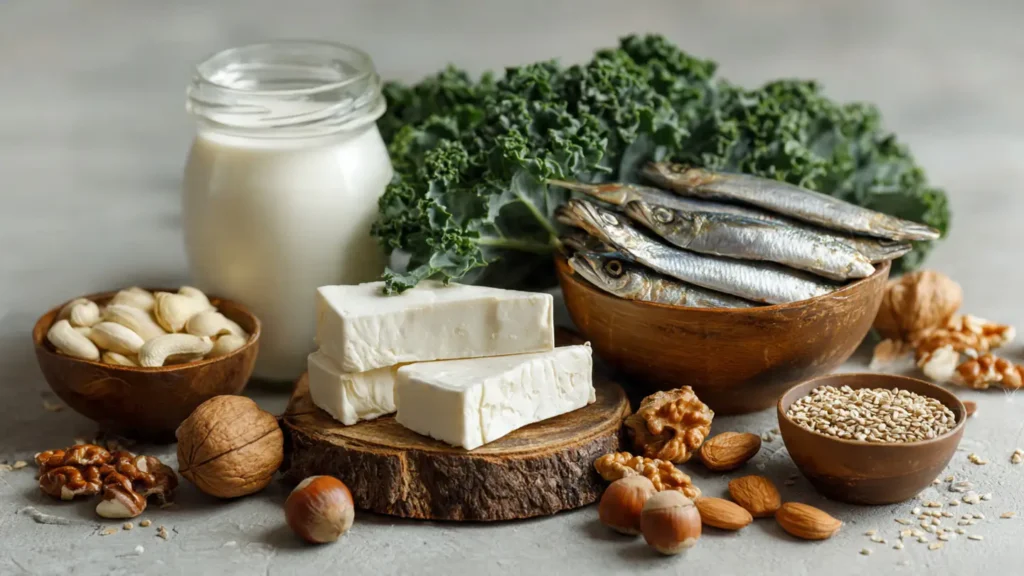
Once I focused on foods-for-bone-health, my grocery list shifted naturally.
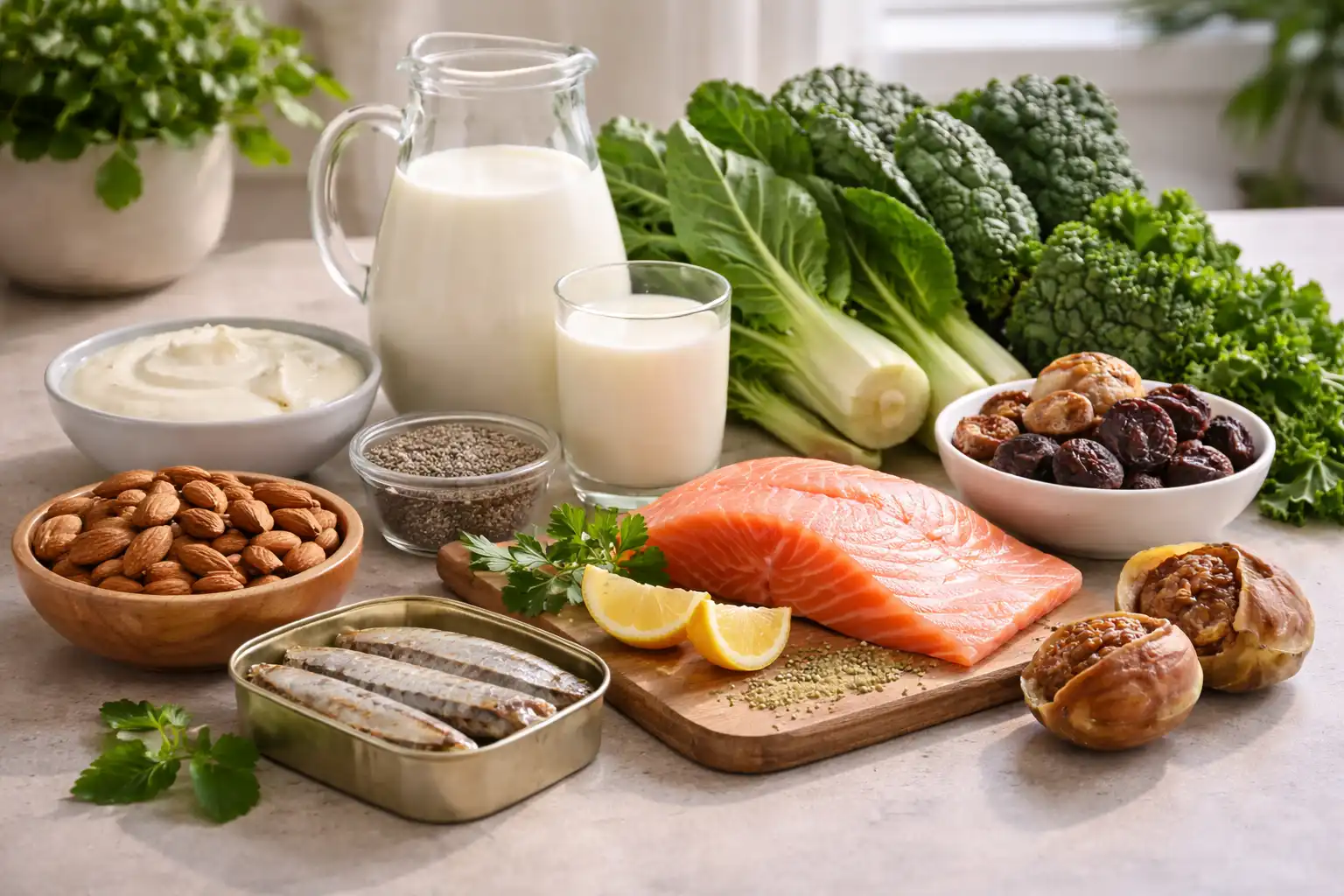
Dairy products became a reliable base. One cup of milk provides about 300 mg of calcium. Yogurt and cheese add protein along with calcium, which supports bone tissue repair.
Dark leafy greens like kale, collard greens, and Bok choy show up often in my meals. They supply calcium, Vitamin K, and magnesium. I still eat spinach, but I pair it with other greens because oxalates can limit calcium absorption.
Fatty fish like salmon and sardines help me cover Vitamin D needs. Canned sardines with edible bones surprised me with how much calcium they provide.
Nuts and seeds fill in the gaps. Almonds, sesame seeds, chia seeds, and pumpkin seeds support magnesium intake and add healthy fats.
Are There Any Bone Superfoods Worth Paying Attention To?
Some foods punch far above their weight.
Ragi, or finger millet, stands out. It contains nearly ten times the calcium of rice or wheat. I now rotate it into breakfast and snacks.
Prunes surprised me the most. Research suggests that eating five to six prunes daily helps preserve bone density in postmenopausal women. I added them as a simple snack.
Figs offer calcium, magnesium, and potassium in one bite. They feel like dessert while supporting bone strength.
These foods made bone health feel approachable instead of clinical.
Which Foods Should I Limit for Better Bone Health?
Supporting bones isn’t only about what I add. It’s also about what I moderate.
Excess salt causes calcium loss through urine. I reduced packaged foods and noticed less bloating too.
Too much caffeine interferes with calcium absorption. I didn’t quit coffee, but I stopped overdoing it.
Sodas containing phosphoric acid raised red flags. I replaced them with sparkling water.
Excess alcohol disrupts hormones that protect bone density. Moderation made a noticeable difference in how my body felt overall.
How I Build Foods for Bone Health Into My Daily Routine
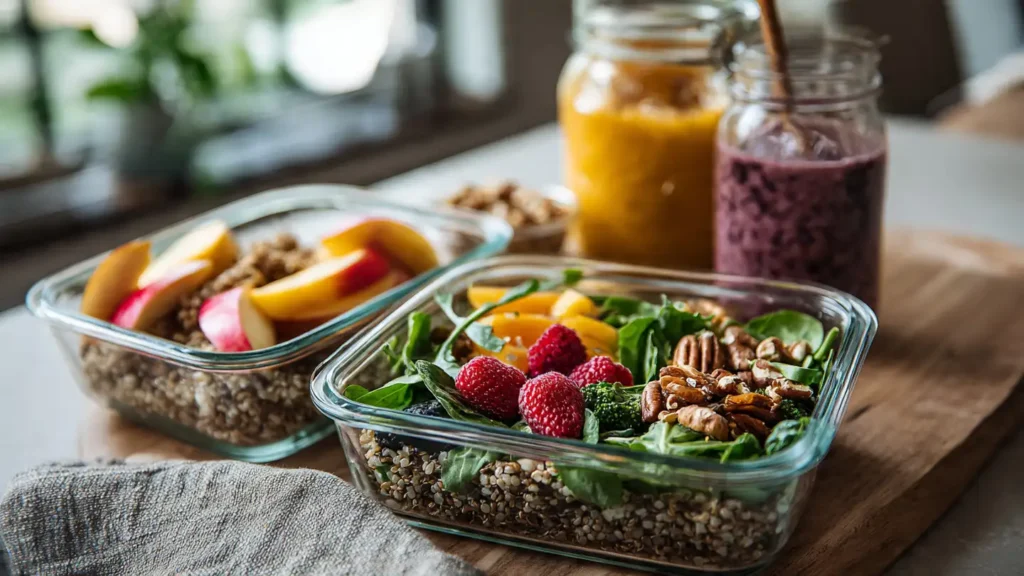
I keep my routine realistic and repeatable.
First, I anchor meals around calcium-rich foods. Milk with breakfast or yogurt as a snack sets the tone.
Second, I pair calcium with Vitamin D sources. Fatty fish a few times a week and sunlight exposure help absorption.
Third, I rotate greens instead of relying on one type. Variety improves nutrient coverage.
Fourth, I snack smart. Prunes, figs, nuts, and seeds replace empty calories.
Finally, I stay consistent instead of perfect. Bone health rewards long-term habits, not short bursts.
Can Diet Alone Protect Against Bone Loss?
Diet plays a major role, but movement matters too. Weight-bearing exercise signals bones to stay strong. Walking, resistance training, and balance work complement nutrition perfectly.
When I combined foods-for-bone-health with regular movement, I felt steadier and more confident. The two work best together.
Food builds the material. Movement tells the body how to use it.
Frequently Asked Questions
1. How much calcium do I really need daily?
Most adults need around 1,000–1,200 mg of calcium daily depending on age and gender. Food sources work better than relying only on supplements.
2. Can plant-based diets support bone health?
Yes. Fortified plant milks, leafy greens, seeds, nuts, and ragi provide strong calcium support when planned thoughtfully.
3. Do prunes really help bone density?
Research suggests regular prune intake helps preserve bone density, especially in postmenopausal women, when eaten consistently.
4. Should I take supplements instead of focusing on food?
Supplements help when deficiencies exist, but food provides better absorption and additional nutrients that work together naturally.
Strong Bones, No Drama Required
Here’s my honest takeaway about foods for bone health. You don’t need extreme rules or perfect meals. You need consistency, variety, and patience. Bones respond slowly, but they respond reliably.
My tip is simple. Build your plate with intention most days, move your body regularly, and trust the process. Strong bones come from steady habits, not shortcuts.