
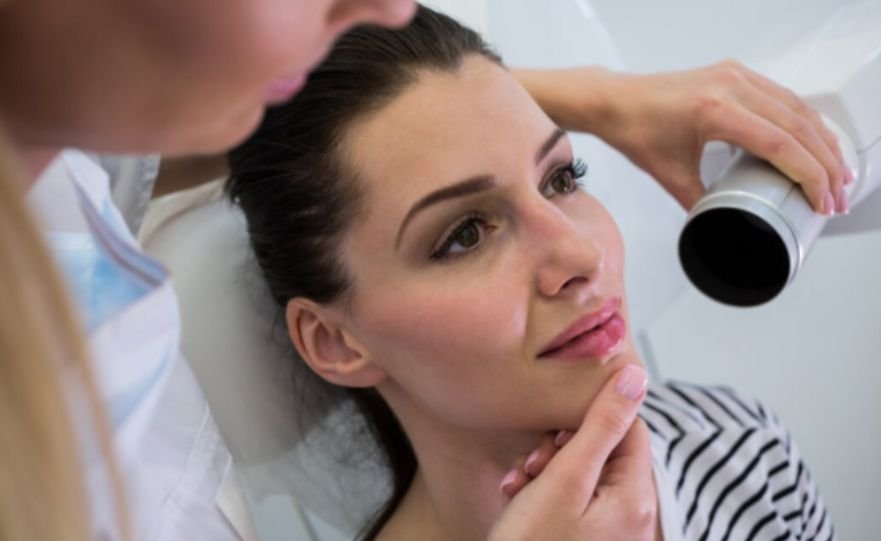
Recovering from a CO2 laser procedure can feel overwhelming if you are not prepared. Your skin is deliberately injured to trigger collagen remodeling, which means healing is not optional, it is the treatment.
If you are searching for how to speed up healing after a CO2 laser, this guide is written to answer that exact question clearly, safely, and in a way that helps you avoid common recovery mistakes. Here is the core truth: faster healing after CO2 laser depends on moisture control, inflammation reduction, infection prevention, and strict sun avoidance.
Most complications like prolonged redness, pigmentation, or scarring happen when one of these four pillars is ignored. This article explains exactly how to support your skin day by day, what actually helps, what slows healing, and how to reduce downtime without risking results.
This guide is purely informational, written for people who want safe recovery, not shortcuts.
Understanding CO2 Laser Healing and Skin Response
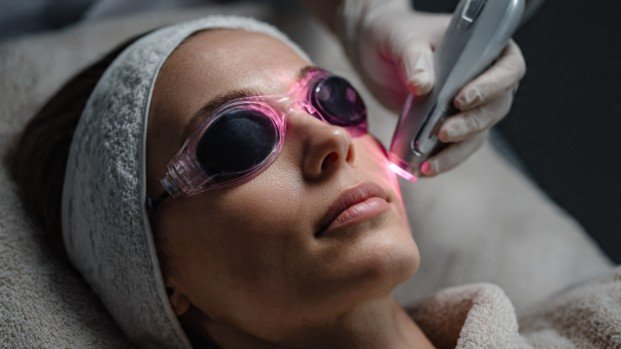
CO2 laser resurfacing works by creating controlled micro-injuries in the skin. These injuries trigger wound healing, new collagen formation, and skin renewal. Healing speed depends on how well you protect this process.
Immediately after treatment, your skin enters the inflammatory phase. Blood vessels dilate, redness appears, and fluid loss increases. If the skin dries out or becomes irritated during this stage, healing slows dramatically. That is why aftercare matters more than the laser itself.
For anyone searching how to speed up healing after CO2 laser, understanding this biological process and innovative treatment strategies to accelerate wound healing helps you avoid actions that interrupt it.
The First 72 Hours After CO2 Laser
The first three days decide how smooth or difficult your recovery will be.
Keep the Skin Continuously Moist
Your skin should never feel dry, tight, or crusted. A thick occlusive layer prevents water loss and allows cells to regenerate faster. Dry scabs slow healing and increase scarring risk.
Reapply a petroleum-based ointment every few hours. The skin should look glossy at all times during early healing.
Reduce Heat and Swelling Safely
CO2 laser leaves residual heat in the skin. Cold compresses help reduce inflammation, redness, and discomfort.
Use clean, cool clothes for short sessions. Never apply ice directly. Heat (heat as a trigger) prolongs redness and delays healing.
Elevate While Sleeping
Swelling is driven by gravity. Sleeping with your head elevated reduces fluid buildup, especially around the eyes and cheeks. This simple step often shortens visible downtime.
Clean Gently and Correctly
Cleansing should remove bacteria without disrupting healing skin. Use lukewarm water and a fragrance-free cleanser only if advised. Pat dry gently. Rubbing damages fragile new tissue.
Days 4 to 7: Accelerating Skin Renewal
This phase is where many people accidentally slow healing.
Manage Peeling Without Picking
Peeling means healing is happening. Never pull, scrub, or exfoliate. Forced peeling leads to uneven texture and prolonged redness.
Support Healing With Proper Nutrition

Skin repair is protein-dependent. Low protein intake slows tissue regeneration. Focus on adequate protein, vitamin C, and zinc. Hydration also plays a critical role in cellular repair.
Vinegar Soaks and Why They Work
Diluted vinegar soaks are sometimes recommended to reduce itching and bacterial growth. The mild acidity supports skin balance during healing. Always follow proper dilution guidelines and provider advice.
Weeks 2 to 4: Preventing Delayed Healing and Pigmentation
Even when peeling stops, healing continues under the surface.
Absolute Sun Avoidance Is Non-Negotiable

UV exposure during healing is the leading cause of post-laser pigmentation. Even short sun exposure can undo results. Avoid direct sunlight entirely until cleared. When allowed, use mineral sunscreen only.
Delay Active Skincare Products
Retinoids, acids, and vitamin C may feel helpful but they disrupt healing skin. Restarting them too early prolongs redness and sensitivity. Wait until your provider confirms your skin barrier has fully recovered.
Watch for Warning Signs
Normal healing includes redness, pink skin, and mild sensitivity. Warning signs include increasing pain, yellow discharge, excessive crusting, or worsening redness after the first week. If these appear, professional evaluation matters.
Common Mistakes That Slow CO2 Laser Healing
Many people unknowingly extend recovery time.
Letting Skin Dry Out
Dryness equals delayed healing. Moisture loss leads to scabbing, itching, and prolonged redness.
Smoking or Alcohol Use

Both reduce blood flow and oxygen delivery to healing skin. Dissociative drug use Even short-term use can add weeks to recovery.
Over-Cleansing
More cleansing does not mean cleaner healing. It strips protective lipids and delays barrier repair.
Using Heat-Based Treatments
Saunas, steam rooms, and intense workouts increase inflammation. Avoid heat exposure during healing.
How Long Does CO2 Laser Healing Actually Take
Healing timelines vary based on treatment depth and individual biology. Most people experience surface healing in 7 to 10 days. Redness can last several weeks. Collagen remodeling continues for months.
Trying to rush this process usually backfires. The goal is not to speed unnaturally but to remove obstacles to normal healing.
Long-Term Skin Support After CO2 Laser
Once initial healing completes, gentle skin support helps results mature. Maintain hydration, sun protection, and barrier repair products. Avoid aggressive treatment until skin strength fully returns.
Health and beauty recovery is cumulative. Each good decision compounds the results.
Frequently Asked Questions:-
1. How can I speed up healing after CO2 laser without increasing risk?
Focus on moisture, sun avoidance, gentle care, and nutrition. Avoid shortcuts like exfoliation or activities.
2. Does keeping skin moist really heal faster?
Yes. Moist wound environments heal faster and with less scarring than dry wounds.
3. Can red light therapy help CO2 laser recovery?
Some evidence suggests red light may reduce inflammation. Use only with professional guidance.
4. When can I wear makeup after CO2 laser?
Typically after peeling finishes and skin is intact. Applying too early risks irritation and infection.
5. What causes prolonged redness after CO2 laser?
Early sun exposure, inflammation, aggressive skincare, or picking are common causes.
The Smart Way to Speed Up Healing After CO2 Laser
If you are serious about how to speed up healing after a CO2 laser, the solution is not aggressive treatment but intelligent protection. Healing happens fastest when skin stays moist, cool, protected, and undisturbed.
Every shortcut that irritates healing skin adds recovery time rather than reducing it. Respect the process, support your skin biologically, and your results will reward your patience.