

Managing a facility feels a lot like predicting the weather. You know change is coming, but you can’t always pinpoint exactly when or how severe it will be. Will regulatory standards shift overnight? Will a sudden surge in demand strain your power grid? Will aging equipment fail at the worst possible moment?
1. Assess Your Current Infrastructure
You cannot improve what you do not understand. Before investing in new technology or expanding capacity, you need a brutally honest assessment of where you stand right now. This goes beyond a simple walkthrough; it requires a deep dive into the operational health of your facility.
Start by auditing your critical systems—HVAC, electrical, plumbing, and data networks. Look for the obvious signs of wear and tear, but also look for inefficiencies that are bleeding money. Is your cooling system working harder than it needs to because of poor insulation? Are your circuits constantly near maximum capacity?
Identify your single points of failure. If one specific piece of equipment goes down, does the whole operation grind to a halt? These vulnerabilities are the cracks in your foundation. Documenting them allows you to prioritize upgrades based on risk and return on investment, rather than just guessing what needs to be fixed.
2. Adopt Smart Building Technologies and IoT

The days of manual clipboards and analog gauges are fading. To keep up with modern demands, facilities must become “smart.” This means integrating the Internet of Things (IoT) into your physical infrastructure.
IoT sensors act as the nervous system of a building. They can monitor everything from room temperature and humidity to vibration levels on large machinery. Instead of waiting for a quarterly inspection to notice a problem, real-time data alerts you the moment something drifts out of spec.
For example, smart lighting systems can adjust brightness based on natural light levels and occupancy, drastically reducing energy waste. Smart thermostats learn heating and cooling patterns to optimize comfort without manual intervention.
This connectivity provides a bird’s-eye view of your facility’s pulse. It turns raw data into actionable insights, allowing you to make decisions based on actual usage patterns rather than theoretical models.
3. Prioritize Energy Efficiency and Sustainability
Sustainability is no longer just a buzzword or a “nice-to-have” marketing point; it is a regulatory inevitability. Governments and municipalities are increasingly tightening codes regarding carbon emissions and energy consumption. Future-proofing means getting ahead of these regulations before you are forced to scramble for compliance.
Start with the building envelope. High-quality insulation, energy-efficient windows, and cool roofs can significantly lower the load on your HVAC systems. Inside, switch to LED lighting and high-efficiency appliances.
Beyond electricity, consider water conservation. Low-flow fixtures and rainwater harvesting systems reduce utility bills and protect against potential water scarcity issues. Using sustainable, non-toxic materials for renovations not only helps the planet but also improves indoor air quality, which correlates directly with employee productivity and health.
Investing in green tech now insulates your facility against rising energy costs and future carbon taxes, making it a financially sound strategy for the long haul.
4. Implement Scalable Power and Data Systems
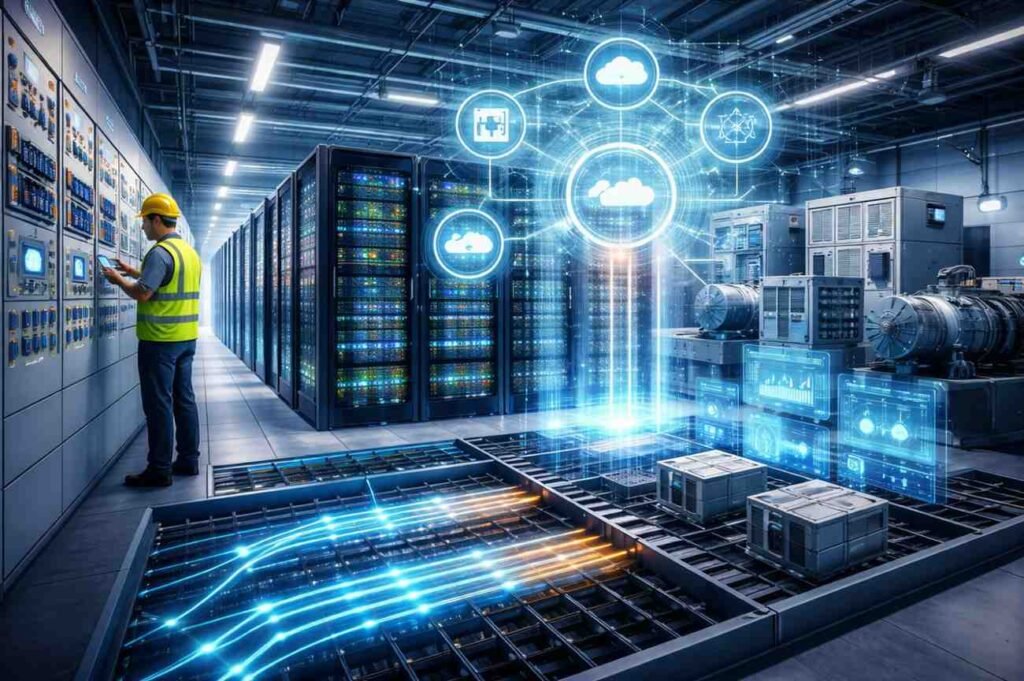
One of the biggest mistakes facility managers make is designing for today’s needs without considering tomorrow’s growth. As your organization grows, so will its appetite for power and data.
If your electrical infrastructure is maxed out, adding a new production line or expanding your server room becomes a nightmare of expensive retrofits. To avoid this, design your power distribution systems with headroom. Install conduits and panels that can handle additional circuits easily.
This is also where specialized equipment plays a vital role. For facilities with unique voltage requirements or heavy industrial loads, off-the-shelf components often fall short. Integrating custom power transformers allows you to tailor your electrical infrastructure to your specific operational needs while building in the capacity to handle increased loads in the future.
The same logic applies to data. With the rise of cloud computing and big data, your bandwidth requirements will likely double or triple in the coming years. Install structured cabling and high-speed fiber backbones that can support next-generation speeds, ensuring your digital infrastructure doesn’t become a bottleneck for growth.
5. Establish a Proactive Maintenance Schedule
The “run-it-until-it-breaks” philosophy is the enemy of future-proofing. Deferred maintenance might save money in the short term, but it inevitably leads to catastrophic failures, expensive emergency repairs, and unplanned downtime that can cripple your operations.
Shift your mindset from reactive to proactive. A preventative maintenance schedule ensures that equipment is serviced at regular intervals, regardless of whether it “looks” like it needs it. Changing filters, lubricating moving parts, and tightening connections can extend the lifecycle of expensive assets by years.
Taking it a step further, move toward predictive maintenance. Using the IoT sensors mentioned earlier, you can predict when a bearing is about to fail based on vibration analysis or heat signatures. This allows you to repair components just before they break, maximizing their utility while avoiding the chaos of unexpected failure.
6. Enhance Security Protocols (Physical and Digital)

A future-proof facility is a secure facility. As buildings become more connected, the line between physical security and cybersecurity blurs. A breach in one often leads to a breach in the other.
Physically, move beyond the simple lock and key. Biometric scanners, smart access control systems, and AI-powered surveillance cameras provide a higher level of protection and an audit trail of who went where and when.
Digitally, your building automation systems (BAS) are now targets for hackers. If your HVAC or lighting control systems are connected to the internet, they need to be secured with the same rigor as your financial data. Segregate your operational technology (OT) networks from your IT networks, ensure firmware is regularly patched, and train staff on cybersecurity hygiene.
Protecting your sensitive assets—whether they are physical inventory or intellectual property—ensures business continuity. By hardening your defenses now, you ensure that your facility remains a sanctuary for productivity, not a liability.
Conclusion
By assessing your current state, embracing smart technology, prioritizing sustainability, building scalable power systems, maintaining your assets proactively, and securing your infrastructure, you create a facility that is ready for whatever comes next. The investments you make today will pay dividends in stability, efficiency, and growth for years to come.