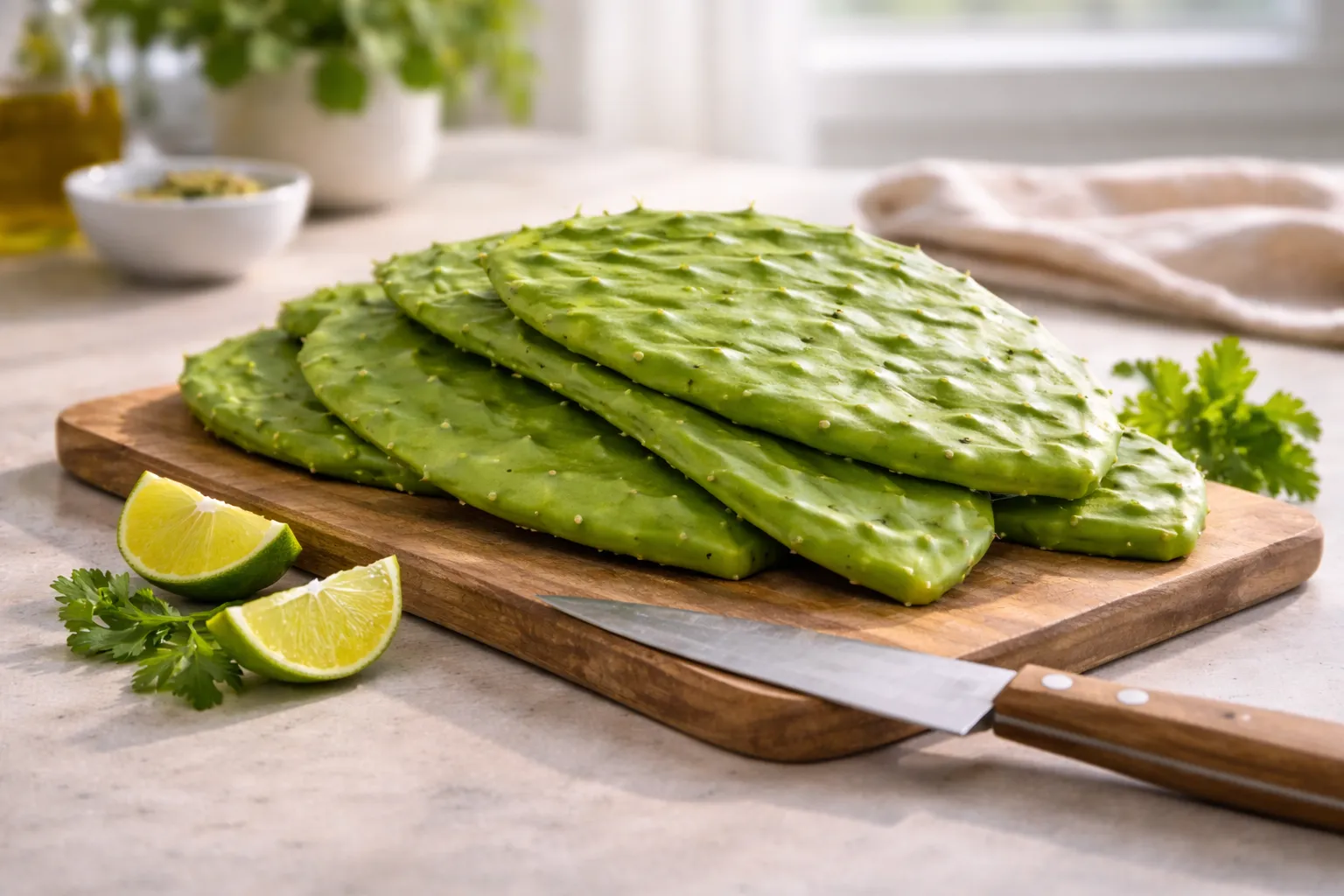
I still remember the first time I saw a nopal cactus on a plate. It looked slimy, green, and honestly not very appetizing. But a close friend from Mexico casually mentioned how her family used it for blood sugar and digestion, and that stuck with me.
A few weeks later, after another frustrating post-meal energy crash, I decided to look deeper into nopal cactus diabetes weight loss cholesterol support and see if it fit into real life, not just research papers.
What I found surprised me. This wasn’t a miracle cure. It was a steady, supportive food that worked quietly in the background when used consistently.
How Does Nopal Cactus Support Blood Sugar Balance?
Blood sugar spikes used to hit me hard after meals. That sluggish, heavy feeling made afternoons unproductive. Nopal cactus changed that pattern for me. Its soluble fibre forms a gel-like texture in the stomach, which slows carbohydrate digestion and sugar absorption.
Studies show that nopal cactus can lower post-meal glucose and insulin levels, especially in people with type 2 diabetes. I noticed smoother energy levels after meals instead of sharp highs and crashes.
With a low glycaemic index around 32, nopal cactus fits naturally into diabetes-friendly eating habits. It doesn’t force the body into balance. It gently guides it there.
Can Nopal Cactus Really Help With Weight Loss?
Weight management works best when hunger stays under control. Nopal cactus helped me feel full longer without overeating. Its high water and fiber content create satiety, which reduces unnecessary snacking.
Some research suggests that nopal fiber binds to dietary fat in the digestive tract, preventing full absorption. That concept made sense to me because it aligns with how fiber-rich foods support weight control naturally.
I didn’t see dramatic weight loss overnight, and I didn’t expect it. Instead, I noticed fewer cravings and more control around meals. That consistency made weight management feel calmer and sustainable.
How Does Nopal Cactus Improve Cholesterol and Heart Health?
Heart health often ties directly to cholesterol balance. Nopal cactus supports this area by helping lower LDL, or “bad” cholesterol, along with total cholesterol levels.
Regular intake has also shown benefits for triglyceride reduction, especially in people with metabolic syndrome. I appreciated that nopal works on multiple metabolic pathways instead of targeting just one issue.
By reducing oxidative stress and supporting healthier blood vessels, nopal cactus contributes to long-term cardiovascular support. It feels less like a supplement and more like nourishment.
Is Nopal Cactus Safe for Everyone?
Safety always comes first for me. Nopal cactus generally stays well tolerated, but moderation matters. Mild digestive issues like bloating or nausea can happen when you first add it to your diet.
If you take medication for diabetes, nopal cactus can amplify blood sugar-lowering effects. That combination may cause hypoglycemia if not monitored carefully. I always recommend discussing it with a healthcare professional before regular use.
Pregnant or breastfeeding individuals should avoid nopal supplements due to limited long-term safety data. Whole food use in moderation remains the safest approach.
How I Use Nopal Cactus for Diabetes, Weight Loss, and Cholesterol
I keep my routine simple and realistic.
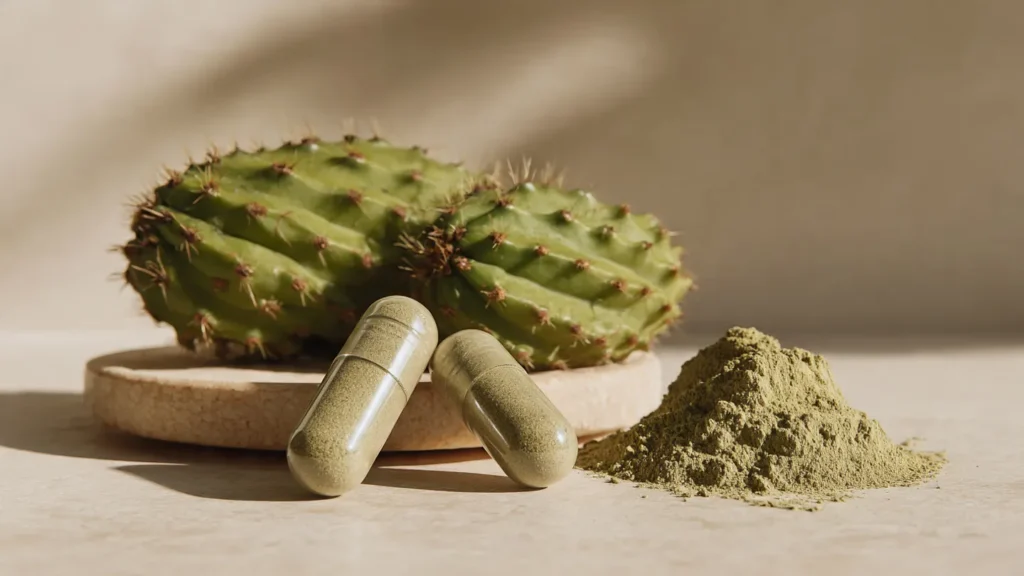
First, I choose the form that fits my lifestyle. Fresh no pales work well when I cook at home. Supplements help on busy days.
Second, I time it smartly. I consume nopal cactus before or with meals to support post-meal blood sugar control.
Third, I start small. Introducing fiber gradually avoids digestive discomfort and lets the body adapt.
Fourth, I pair it with balanced meals. Protein, healthy fats, and vegetables enhance its metabolic effects.
Finally, I stay consistent. Results build slowly, but they stay stable when habits remain steady.
Fresh vs Supplements: Which Form Works Best?
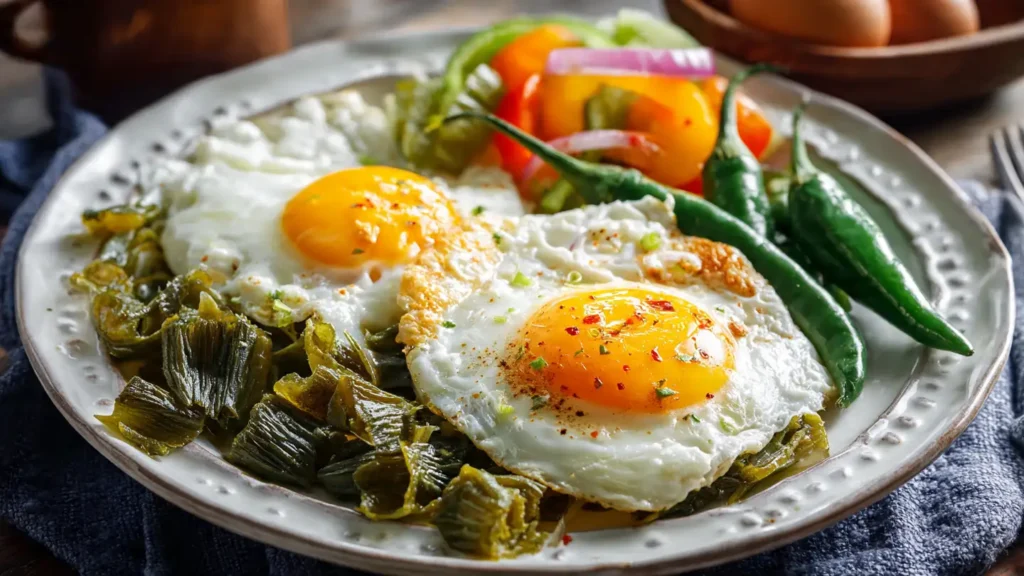
Fresh nopales offer the most natural benefits. Cooked or grilled pads work well in salads, eggs, and tacos. One serving of about 500 grams of broiled stems supports blood sugar control.
Supplements provide convenience. Capsules, powders, and extracts usually suggest doses around 500–650 mg daily. I prefer products with minimal processing and transparent sourcing.
Both forms work. The best choice depends on routine, not perfection.
Frequently Asked Questions
1. Can nopal cactus replace diabetes medication?
No. Nopal cactus supports blood sugar balance but does not replace prescribed medication. It works best as a complementary food under medical guidance.
2. How long does it take to see benefits?
I noticed smoother post-meal energy within a few weeks. Cholesterol and weight-related changes take longer and require consistent use.
3. Does nopal cactus cause low blood sugar?
It can, especially when combined with diabetes medication, blood sugar levels testing remains essential.
4. Is nopal cactus safe for daily use?
For most people, yes, when consumed in moderate amounts. Gradual introduction reduces digestive side effects.
A Quiet Superfood That Respects Your Body
Here’s my honest takeaway on nopal cactus diabetes weight loss cholesterol support. It doesn’t shout. It doesn’t promise miracles. It shows up quietly and does its job when you stay consistent.
My personal tip is simple. Treat nopal cactus as a supportive habit, not a shortcut. Pair it with balanced meals, movement, and patience. That’s where lasting results live.