Football practice can be grueling, especially if you’re pushing yourself to the limit. Whether you’re running drills, hitting the weights, or sprinting across the field, your body takes a serious beating. But here’s a confession: after every intense practice session, the recovery process is just as important as the workout itself.
I used to think I could skip the recovery phase and still play at my peak. But over time, I realized that neglecting recovery only led to injuries, burnout, and a serious drop in performance. Once I committed to a solid recovery routine, my performance improved, and I felt way less sore.
So, let’s dive into some practical recovery tips after football practice that will not only help you recover but will also improve your performance for your next session.
Why is Recovery Important After Football Practice?
When we push ourselves in practice, we’re essentially breaking down muscle fibers and stressing our bodies. Recovery is the phase where those fibers rebuild stronger, and your body replenishes energy stores. Without proper recovery, you’re not only risking injury, but you’re also not giving your body the chance to perform at its best.
But don’t worry—getting the best recovery after football practice doesn’t require anything fancy. It’s all about hitting the right steps and getting your body back to 100%.
Immediate Recovery Tips After Football Practice: What to Do Within 30 Minutes
The first 30 minutes after practice are crucial. If you’ve ever felt sore the day after practice, it’s likely because you didn’t take action soon enough. Let’s break down what needs to happen in that short window.
1. Cool Down and Stretch: The First Step to Reducing Stiffness
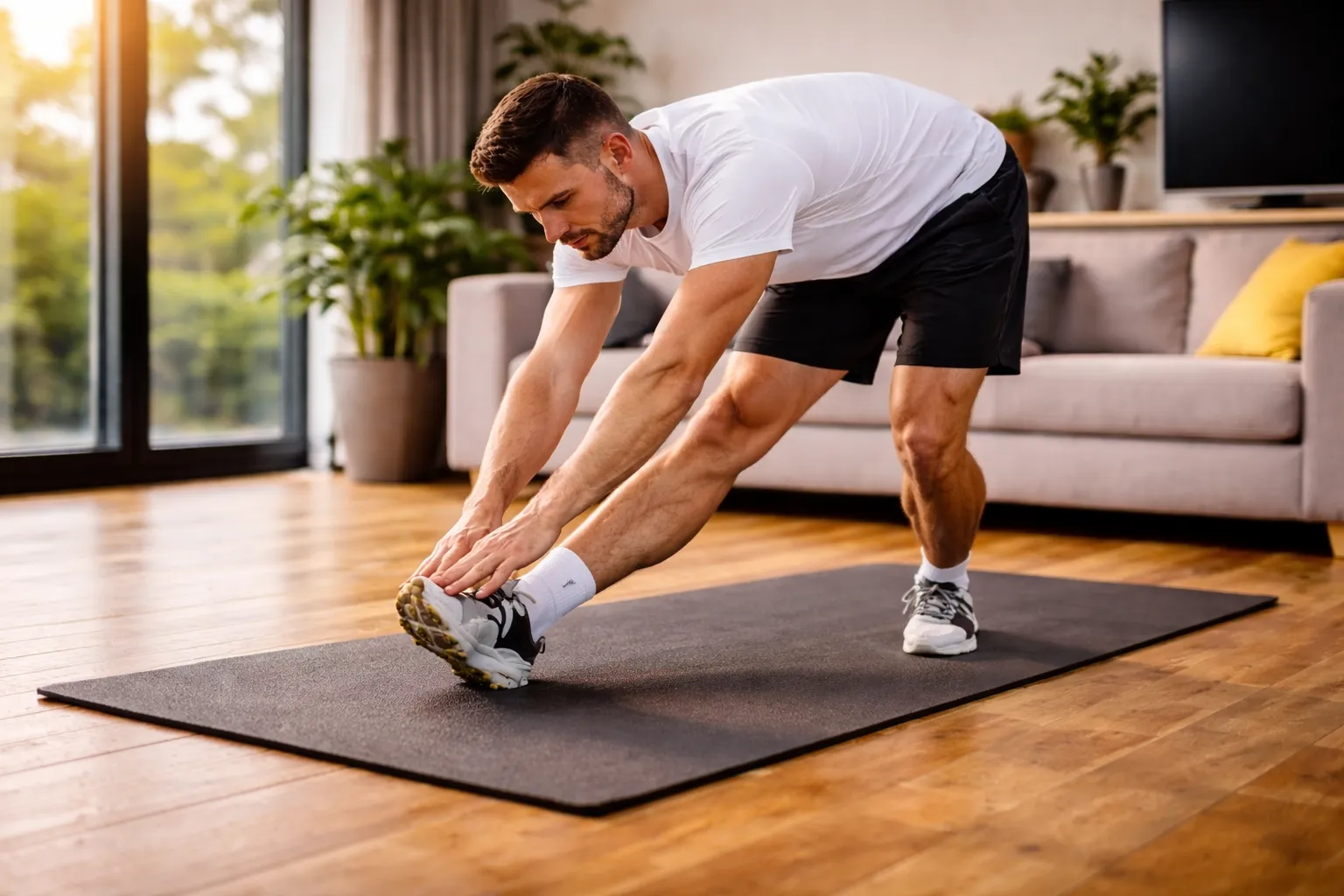
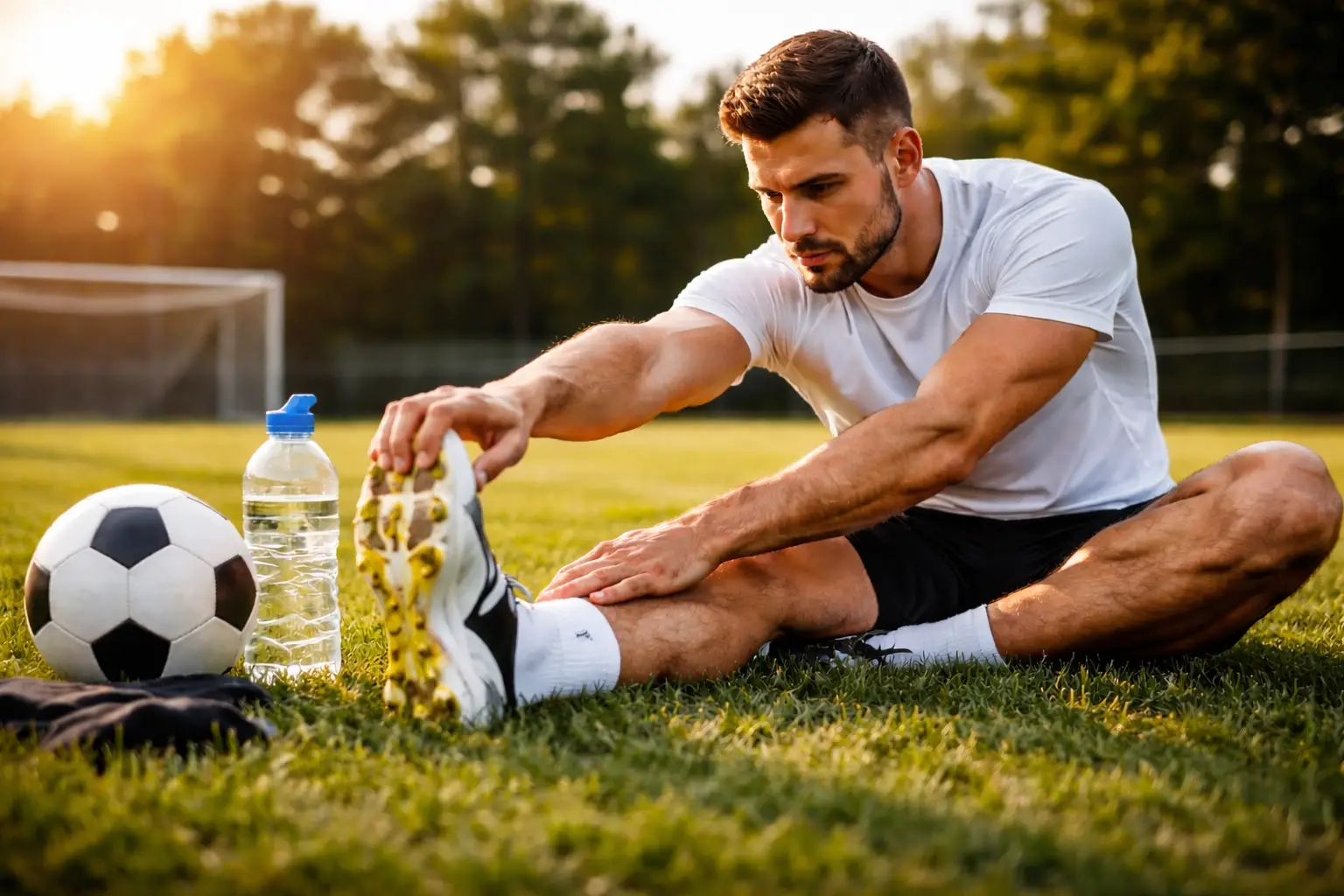
I know, cool downs aren’t the most exciting part of practice, but they’re critical. A simple light jog or walk for 5-10 minutes helps lower your heart rate gradually. It signals to your body that it’s time to transition from intense work to recovery mode.
Afterward, stretch dynamically to prevent muscle stiffness. Focus on key muscle groups like the hamstrings, quads, glutes, and calves. I always try to hold each stretch for 15–30 seconds, which feels like just enough to get the muscles to relax without overstretching them.
2. Rehydrate: Start Fluid Replacement Immediately
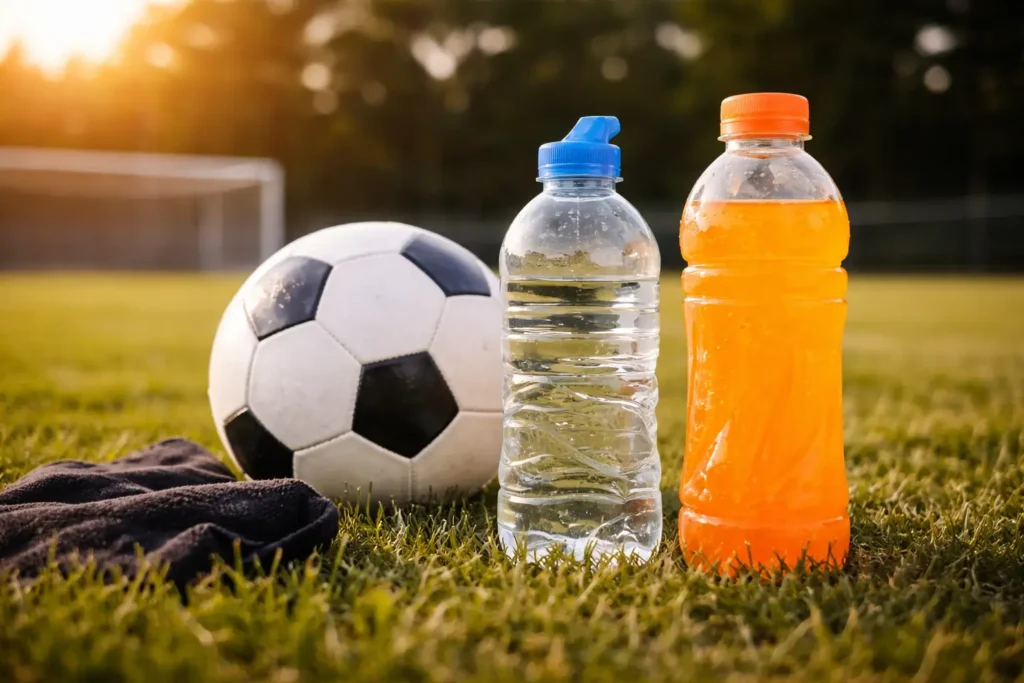
The importance of hydration cannot be overstated. You sweat a lot during practice, which means you lose valuable fluids and electrolytes. Start rehydrating right away, as this helps your body recover faster.
Water is great, but don’t forget about sports drinks. Electrolyte-rich beverages or flavored milk can help balance out the loss of sodium and potassium while providing a small amount of protein and carbs to kickstart recovery. A general rule of thumb: drink about 1.5 liters of fluid for every kilogram of body weight lost.
3. Refuel: Give Your Body the Right Nutrition
Refueling within the first hour after practice is key. I always make sure to grab a snack or meal with both carbs and protein. Carbs replenish your energy stores (glycogen), while protein aids in muscle repair.
Some of my go-to options include a banana with peanut butter, a protein shake, or a small bowl of Greek yogurt. If I’m hungrier, a full meal with lean protein (like grilled chicken) and quality carbs (such as rice or sweet potatoes) does the trick.
Ongoing Recovery: Tips for the Next 24 Hours

Once the immediate recovery actions are done, it’s time to keep up the momentum throughout the next day. Ongoing recovery ensures that your muscles heal properly and that you don’t feel like you’re dragging yourself through the week.
1. Nutrition: Keep It Balanced
I always aim for a well-balanced meal within 1–2 hours after practice. A solid plate of grilled chicken with veggies and a complex carb like quinoa or brown rice is my go-to. The goal is to keep your energy levels up while also providing your muscles with the nutrients they need to repair.
2. Rest and Sleep: Prioritize Quality Sleep
I cannot stress this enough—sleep is when the magic happens. Sleep is crucial for muscle repair and recovery, so make sure you get 7–9 hours if you’re an adult or 8–10 hours if you’re a teenager. A solid night’s sleep helps with muscle regeneration, so don’t skimp on it.
I’ve found that having a relaxing pre-sleep routine helps me wind down—whether it’s reading a book or doing some light stretching. Try to avoid screens an hour before bed to improve sleep quality.
3. Active Recovery: Keep Moving, But Keep It Light
The day after intense practice doesn’t mean you should stay totally sedentary. In fact, light movement can actually help reduce soreness and improve blood circulation. I love going for a gentle walk, bike ride, or swim for 15–60 minutes. This helps keep the blood flowing and helps your body eliminate any built-up waste products.
Recovery Therapies: Extra Steps for Maximum Relief
Sometimes, you need a little extra TLC to recover properly. Whether it’s reducing inflammation or getting a little muscle relief, here are some therapies I use:
1. Cold Therapy: The Magic of Ice
I’m sure you’ve heard of ice baths, but they’re not just for extreme cases. Cold therapy can help reduce inflammation and speed up recovery. I personally find an ice bath (12-15°C for 10-15 minutes) to be incredibly effective.
If you don’t have access to a full bath, localized ice packs on sore muscles also work wonders.
2. Massage & Foam Rolling: Keep the Tension at Bay
Foam rolling is a game-changer for muscle recovery. I regularly use a foam roller, massage ball, or massage gun to work out the tight spots. This helps alleviate muscle tension, increase blood flow, and reduce soreness.
3. Compression Gear: Improve Blood Flow
Compression garments, like socks or sleeves, can improve blood circulation and reduce muscle soreness when worn for 4+ hours post-practice. I usually put them on while relaxing or during my sleep to help with recovery.
How to Stay Consistent with Your Recovery Routine
The key to successful recovery isn’t doing everything at once—it’s about building habits. Here’s my step-by-step recovery guide for consistency:
Step 1: Make Recovery a Habit
Start by setting a goal to cool down and hydrate after each practice. Add stretching and refueling to your routine.
Step 2: Stick to Active Recovery the Day After
Even when you’re sore, try to get in some light movement the day after practice. It’s a game-changer.
Step 3: Prioritize Sleep and Nutrition
Sleep and balanced meals should be non-negotiable. The more consistent you are with them, the faster your body will heal.
Frequently Asked Questions
1. How soon after practice should I start recovering?
Start the recovery process immediately within 30 minutes by cooling down, stretching, rehydrating, and refueling. This helps your body begin the repair process.
2. How long should I rest after football practice?
Active recovery is essential, but you should aim for 7-9 hours of sleep to allow your body to repair itself. Take it easy on the day following intense practice.
3. Does cold therapy really work for recovery?
Yes! Cold therapy, such as an ice bath or ice packs, can significantly reduce inflammation and speed up muscle recovery.
4. Can I skip active recovery if I’m feeling too sore?
It’s tempting, but even gentle activity like walking or swimming helps with blood circulation and muscle recovery. It’s better than complete rest.
You’ve Got This: Own Your Recovery and Boost Your Performance
Football may be demanding, but if you take recovery seriously, you’ll perform even better next time. Recovery doesn’t just help you heal—it sets you up for success in the long run. By sticking to a consistent routine of cool downs, nutrition, sleep, and therapies, you’ll be ready to take on every practice with the energy and strength you need.
Take care of your body, and it will take care of you. Let’s crush that next practice!