

Buying investment property can be a smart way to build wealth, but rushing into a purchase without proper legal due diligence can lead to costly mistakes. Before you sign on the dotted line, make sure you’ve covered these seven essential legal checks to protect your investment and avoid future headaches.
1. Verify Clear Title and Ownership
The first step in any property purchase is confirming that the seller has clear, legal ownership. A title search will reveal whether there are any liens, encumbrances, or disputes attached to the property that could complicate or invalidate the sale.
Title issues can include unpaid taxes, mortgages, mechanic’s liens, or even claims from previous owners. These problems don’t just disappear when you buy the property—they become your responsibility. Work with a qualified title company or attorney to conduct a thorough title search and obtain title insurance. This insurance protects you if any title defects surface after closing.
2. Review Zoning Laws and Land Use Restrictions
Zoning regulations dictate how you can use a property. Just because a building exists doesn’t mean you can use it however you want. For example, a property zoned for residential use may not allow short-term vacation rentals or commercial activities.
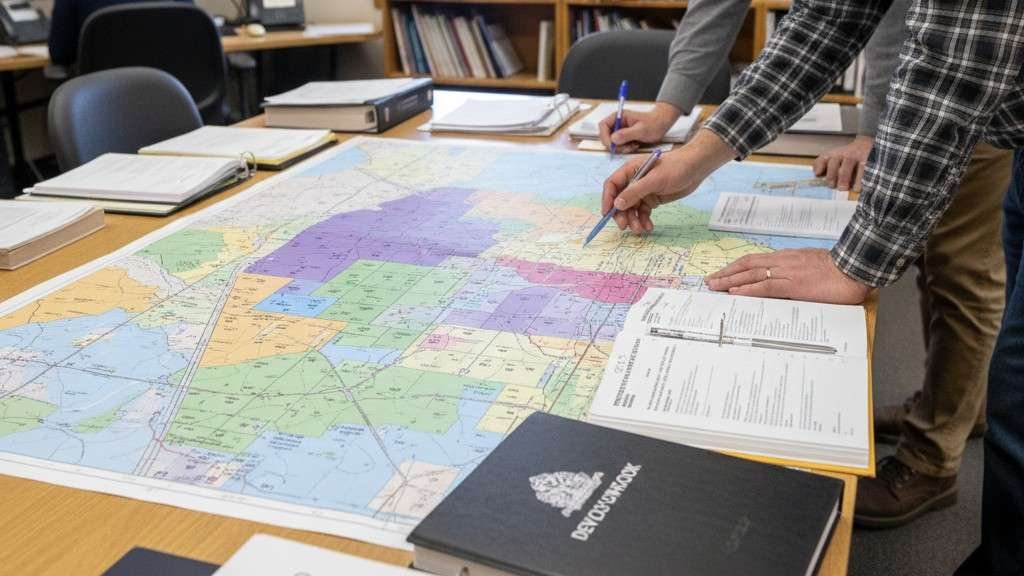
Check with the local planning or zoning department to confirm:
- Current zoning classification
- Permitted uses for the property
- Any pending zoning changes or development plans in the area
- Restrictions on renovations or additions
Violating zoning laws can result in fines, forced changes, or even legal action from the municipality. If you plan to change the property’s use, find out whether you’ll need a variance or special permit.
3. Inspect All Existing Leases and Tenant Agreements
If you’re buying a property with existing tenants, review every lease agreement carefully. These contracts transfer to you as the new owner, and you’ll be bound by their terms.
Pay attention to:
- Lease duration and renewal options
- Rent amounts and payment schedules
- Security deposits (which you’ll need to honor)
- Maintenance and repair responsibilities
- Any special provisions or concessions
Speaking with a law firm in Utah or in your local area can help you understand your rights and obligations as a landlord. You’ll also want to verify that all leases are legally sound and enforceable.
4. Assess Environmental Compliance and Hazards

Environmental issues can be expensive to remedy and may even make a property uninhabitable. An environmental assessment helps identify potential hazards like asbestos, lead paint, mold, underground storage tanks, or soil contamination.
For older properties or those in industrial areas, consider ordering a Phase I Environmental Site Assessment (ESA). This report evaluates the likelihood of contamination based on the property’s history and surrounding land use. If red flags appear, a Phase II ESA may be necessary to test soil and groundwater samples.
Environmental liabilities can fall to the property owner even if the contamination occurred before you bought it. Understanding these risks upfront can save you from unexpected cleanup costs or legal battles down the road.
5. Confirm Building Permits and Code Compliance
Not all renovations or additions are done legally. Some sellers may have completed work without proper permits, which can create serious problems for you later. Unpermitted work might not meet building codes, and if discovered, you could be forced to remove it or bring it up to code at your own expense.
Request copies of all permits for major work done on the property, including:
- Structural modifications
- Electrical or plumbing upgrades
- Additions or conversions
Contact the local building department to verify that the work was properly permitted and inspected. If you discover unpermitted work, factor the cost of rectifying it into your purchase decision.
6. Understand Homeowners Association (HOA) Rules
If the property is part of a homeowners association or condominium association, you’ll need to comply with their rules and pay regular dues. HOA regulations can be extensive, covering everything from exterior paint colors to rental restrictions.
Before purchasing, request:
- A copy of the CC&Rs (Covenants, Conditions, and Restrictions)
- Recent HOA meeting minutes
- Financial statements showing the association’s reserves and any pending assessments
- Details on any ongoing or planned litigation involving the HOA
Some associations restrict or prohibit rentals entirely, which could derail your investment plans. Others may have upcoming special assessments for major repairs, adding unexpected costs to your budget.
7. Consult with a Real Estate Attorney
Real estate transactions involve complex legal documents and significant financial risk. Working with an experienced licensed professional or real estate attorney ensures that your interests are protected throughout the buying process.

An attorney can:
- Review and negotiate purchase agreements
- Identify potential legal issues before closing
- Ensure all documents are properly executed
- Advise on tax implications and entity structuring
- Represent you if disputes arise
Consulting a law firm in Utah or wherever your property is located gives you local expertise on state-specific laws and regulations. While hiring an attorney is an added expense, it’s a worthwhile investment that can prevent far more costly problems later.
Protect Your Investment with Proper Legal Due Diligence
Buying investment property is exciting, but it’s not something to rush into. Taking the time to complete these seven legal checks helps you avoid surprises and protects your financial interests. From verifying clear title to understanding HOA rules, each step plays a crucial role in ensuring your investment is sound.
Don’t leave anything to chance. Work with qualified professionals—including real estate attorneys, title companies, and inspectors—to conduct thorough due diligence before you close. The peace of mind you gain is well worth the effort.