

Growing your own vegetables, herbs, and flowers is an incredibly rewarding experience. There is a deep sense of satisfaction that comes from planting a tiny seed, nurturing it over several weeks, and eventually harvesting something you can eat or display on your kitchen table. Gardening also provides a wonderful excuse to spend more time outdoors and disconnect from digital screens.
Many people feel overwhelmed by the idea of planting a garden and keeping it alive. You might look at an empty backyard or a bare apartment balcony and wonder how to transform that blank canvas into a lush green oasis. The learning curve can seem steep when you read about soil pH levels, fertilizer ratios, and pest control methods.
The truth is, gardening does not require a massive plot of land or hours of daily backbreaking labor. By taking a few highly approachable steps, anyone can cultivate a thriving plant space. This guide covers five straightforward methods to get your hands dirty, build your confidence, and yield beautiful results right at home.
1. Begin with Container Gardening
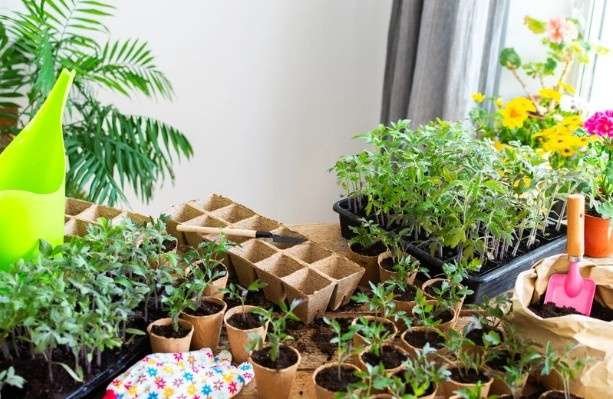
One of the most accessible ways to start growing plants is by using containers. You do not need to dig up your lawn or alter your landscaping to grow a fantastic crop. Pots, hanging baskets, and large planter boxes allow you to create a garden on a patio, a balcony, or even a sunny windowsill.
Container gardening gives you complete control over the soil quality from the very beginning. Instead of battling rocky or clay-heavy ground, you can simply purchase a high-quality potting mix formulated for the specific plants you want to grow.
Containers also make it remarkably easy to control the amount of sunlight your plants receive. If a particular flower is getting scorched by the afternoon heat, you can easily pick up the pot and move it to a shadier spot. Just as you choose paint colors for your home to match your aesthetic, select the right containers that complement your outdoor space’s design and create a harmonious look. Just ensure every container you use has proper drainage holes at the bottom so excess water can escape.
2. Focus on Easy-to-Grow Herbs and Veggies
Starting with highly temperamental plants is a quick way to become frustrated. To build your gardening confidence, choose varieties that are known for being resilient and fast-growing. Quick wins will keep you motivated to continue expanding your green space.
Herbs like basil, mint, and chives are incredibly forgiving and grow rapidly in warm weather. You can often harvest them multiple times throughout the season. For vegetables, cherry tomatoes, radishes, and loose-leaf lettuce are excellent choices for beginners. Radishes, for instance, can go from a seed to a fully harvestable vegetable in less than a month. By focusing on these low-maintenance options, you will enjoy a bountiful harvest with minimal stress.
3. Set Up Raised Garden Beds
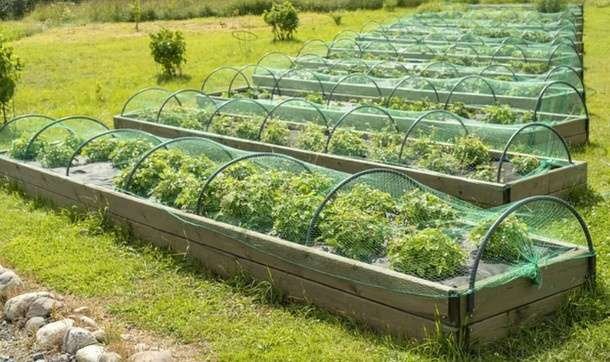
If you have a bit more yard space to work with, raised garden beds are a fantastic upgrade from standard containers. A raised bed is essentially a large, bottomless box filled with soil that sits on top of your existing ground.
These structures offer excellent drainage and warm up faster in the spring than the surrounding earth, allowing you to plant earlier in the season. They also save your back and knees from excessive bending. Planning the layout of your yard can be a fun process. If you are already working with a custom pool builder in Salt Lake City, Utah to design an extensive outdoor living space, you can ask them to leave a sunny corner open specifically for some beautiful cedar raised planter boxes. This allows your garden to blend seamlessly with your other backyard amenities.
4. Utilize Companion Planting
Nature has a brilliant way of balancing itself, and you can mimic this in your own backyard through companion planting. This technique involves placing certain plants close to each other because they offer mutual benefits. It is a highly effective, natural way to boost plant health and deter pests without relying on harsh chemicals.
A classic example is planting marigolds near your tomato plants. Marigolds emit a scent that naturally repels harmful nematodes and certain insects that love to destroy tomato crops. Another great pairing is planting tall crops like corn next to delicate leafy greens that benefit from the afternoon shade the corn provides. By pairing the right plants together, you reduce your workload and create a naturally thriving ecosystem.
5. Create a Consistent Watering Schedule
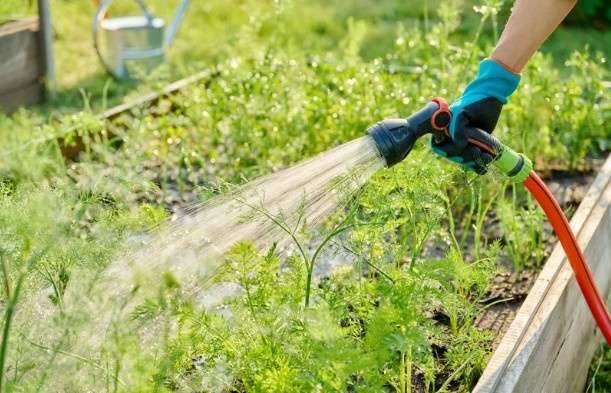
Watering seems like the simplest part of gardening, but it is actually where most beginners make critical errors. Both overwatering and underwatering can quickly ruin a healthy plant. The secret to success is establishing a consistent routine and learning how to read your soil’s moisture levels.
Instead of watering on a strict calendar schedule, use the finger test. Push your finger about an inch into the soil. If it feels completely dry, it is time to water. If it still feels moist, leave it alone for another day. It is generally best to water your garden early in the morning.
This gives the plant roots plenty of time to absorb the moisture before the hot afternoon sun causes the water to evaporate. Adding a layer of organic mulch around the base of your plants will also help lock in that essential moisture.
Watch Your New Backyard Oasis Bloom
Starting a home garden is a journey of trial, error, and eventual success. You do not need to master every horticultural technique on your first try. By choosing the right containers, selecting resilient plants, and paying attention to your watering habits, you will set yourself up for a beautiful harvest.
The best way to learn is by simply putting seeds in the dirt and observing what happens. Visit your local plant nursery this weekend, pick up a few bags of quality potting soil, and select a handful of easy-to-grow seedlings. Your journey toward a greener, more vibrant home starts today.