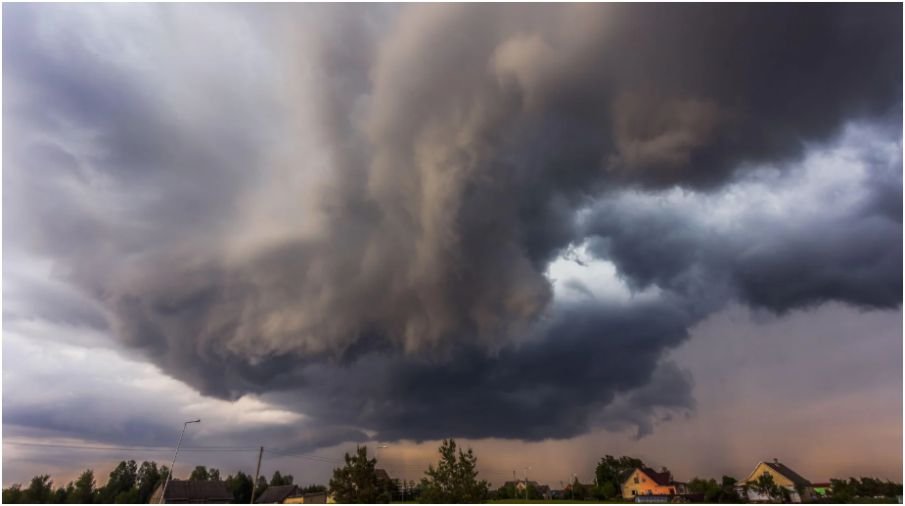
As the skies darken and the wind begins to howl, the last thing any homeowner wants to realize is that their property is entirely vulnerable to severe weather. Peak storm season brings heavy rain, fierce winds, and potential flooding, all of which can cause significant structural damage if your home is not adequately prepared. According to the National Weather Service, weather-related damages cost homeowners billions of dollars annually, much of which could be mitigated with proper maintenance.
Taking a proactive approach to home maintenance allows you to safeguard your property, reduce the risk of costly emergency repairs, and ensure your family’s safety during turbulent weather. This comprehensive guide outlines the most critical steps you should take to fortify your home before the first major storm of the season hits.
1. Conduct a Thorough Roof Inspection
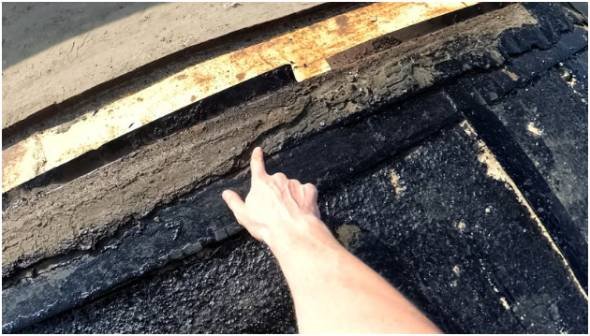
Your roof serves as the primary defense against harsh weather elements, making its structural integrity absolutely critical. Over time, exposure to the sun, wind, and varying temperatures can cause roofing materials to degrade. Before storm season arrives, take the time to inspect your roof carefully or hire a professional to do it safely. Look for missing, cracked, or curling shingles, as these can easily be torn off by high winds, leaving the underlayment exposed to torrential rain.
Additionally, check the flashing around chimneys, skylights, and vent pipes, as these are common areas for water to seep through. If you spot any damage, repair it immediately. A small leak during a light spring shower can quickly evolve into a massive interior flood during a severe seasonal storm. Keeping your roof in top condition is one of the most effective ways to prevent catastrophic water damage.
2. Clear and Fortify Your Drainage Systems
Water accumulation is a leading cause of storm-related structural damage, particularly when it comes to foundation erosion and fascia rot. Your home’s gutters and downspouts are designed to channel water safely away from the base of your property. However, if they are clogged with leaves, twigs, and debris, water will inevitably spill over the sides, pooling around your foundation and potentially leaking into your basement.
Start by cleaning out your gutters thoroughly and running water through them to ensure there are no hidden blockages in the downspouts. If your current system is severely aged, rusting, or constantly detaching from the house, it might be time for a complete replacement.
Investing in professional rain gutter installation in Salt Lake City can protect your home from extensive water damage. High-quality materials like copper offer fantastic durability and protection from rust, ensuring your drainage system functions flawlessly even in the heaviest of downpours.
3. Secure Windows and Doors
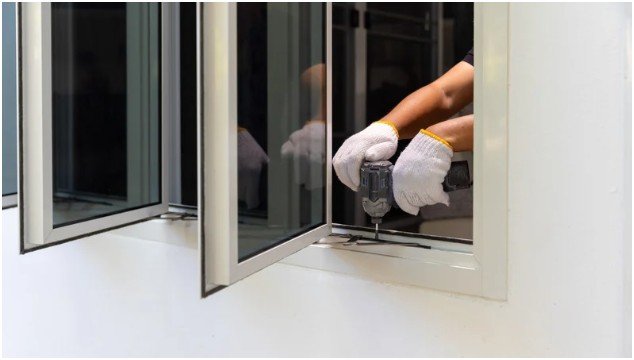
High winds can easily turn loose backyard debris into dangerous projectiles. If a window shatters during a storm, the sudden change in air pressure can cause severe structural damage to the roof and walls of your home. To prevent this, thoroughly inspect the seals and weatherstripping around all windows and exterior doors. Replace any cracked caulking to keep driving rain from penetrating the frames.
If you live in an area prone to hurricanes or severe windstorms, consider installing permanent storm shutters is one of the top safety measures every household should do. Alternatively, keeping pre-cut exterior-grade plywood on hand allows you to quickly board up windows if a major storm is forecasted. Do not forget to check your garage door as well; reinforcing it with a bracing kit can prevent it from blowing in and compromising the rest of the house.
4. Trim Trees and Secure Outdoor Items
The landscaping surrounding your home can either act as a windbreak or become a significant hazard during a storm. Dead or overhanging tree branches are highly susceptible to snapping off in high winds, and if they are situated too close to your house, they can crash right through your roof or windows. Hire an arborist to trim back any branches that extend over your property and to remove any dead or dying trees entirely.
Furthermore, your yard is likely full of items that can become airborne. Patio furniture, potted plants, garbage cans, and gardening tools should all be secured or moved indoors before a storm hits. Anchoring heavy outdoor items or storing them in a shed prevents them from causing impact damage to your home’s exterior.
5. Test Your Sump Pump and Check the Foundation
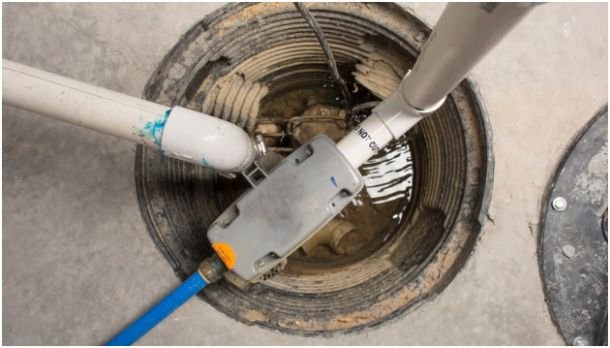
For homes with basements, a fully functional sump pump is the last line of defense against indoor flooding. During peak storm season, the ground can quickly become saturated, putting immense hydrostatic pressure on your foundation walls.
If water begins to seep in, your sump pump needs to activate immediately to pump it back outside. Test your pump by pouring a bucket of water into the pit to ensure the float switch triggers the motor. Since severe storms often cause power outages, installing a battery backup for your sump pump is a wise precaution.
While you are evaluating your basement, inspect the interior and exterior foundation walls for any visible cracks. Small hairline cracks should be sealed with waterproof epoxy or masonry caulk to prevent groundwater from entering.
By systematically addressing these five areas, you can ensure your home is resilient, secure, and ready to weather whatever the peak storm season brings.