
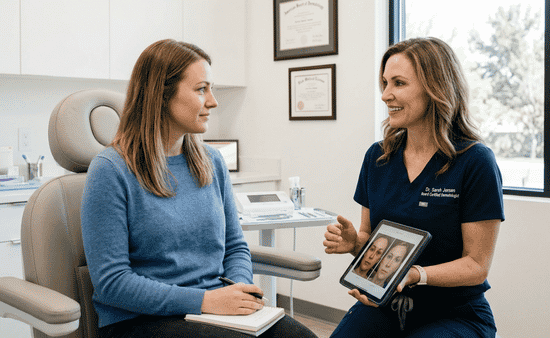
Aesthetic treatments, from injectables to skin resurfacing, can boost confidence, but the results and your safety depend on choosing the right provider. Selecting a qualified practitioner is the most crucial decision in your aesthetic journey. With the growing popularity of cosmetic procedures, it can be challenging to distinguish true experts from those with insufficient training.
Understanding Credentials: What to Look For
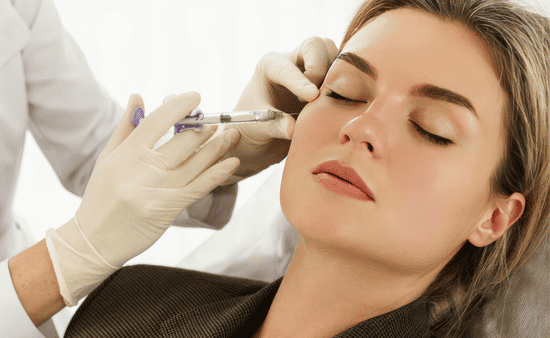
When you begin searching for a practitioner, their credentials should be the first thing you verify. A qualified provider will have specific medical training and board certifications relevant to the procedures they perform. Look for doctors who are board-certified in dermatology or plastic surgery, or registered nurses and physician assistants working under the direct supervision of a certified physician.
Don’t hesitate to ask about their specific training in aesthetic medicine. Attending a weekend seminar is vastly different from completing years of dedicated medical residency. A reputable provider will gladly share their educational background, specialized certifications, and ongoing training records. They understand that transparency builds trust and demonstrates their commitment to excellence.
Safety First: Accreditation and Facility Standards
The environment where your procedure takes place is just as important as the person performing it. A qualified practitioner will operate out of a clean, safe, and accredited facility. Medical spas and clinics should adhere to strict health and safety regulations to prevent infections and manage any potential complications.
When visiting a clinic, observe the general cleanliness and professionalism of the staff. If you’re considering dermal fillers in Murray, ask if the facility is accredited by recognized medical or surgical organizations. Proper accreditation means the clinic regularly undergoes rigorous inspections and meets high standards for patient care, emergency preparedness, and equipment sterilization.
The Consultation Process: Questions and Red Flags
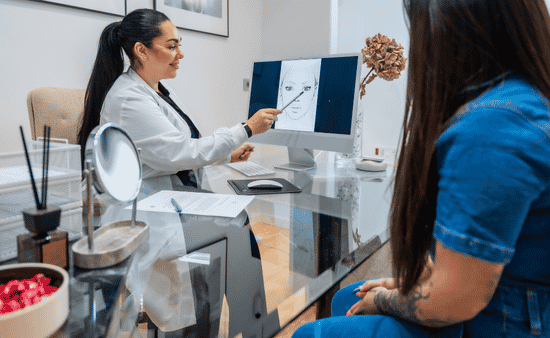
A thorough consultation is a hallmark of a professional aesthetic provider. This initial meeting is your opportunity to interview the practitioner and ensure they align with your aesthetic goals. A good provider will take the time to listen to your concerns, assess your unique anatomy, and develop a customized treatment plan.
Key Questions to Ask
Prepare a list of questions before your appointment. Ask how many times they have performed the specific procedure you want. Inquire about the products they use and why they prefer them. You should also ask about potential side effects and how they handle complications if they arise.
Red Flags to Watch For
Be wary of providers who pressure you into purchasing additional treatments or rush through the consultation. If a practitioner promises unrealistic results or guarantees a “perfect” outcome, take a step back. Furthermore, extreme discount pricing is often a warning sign. Quality products and expert skills come at a standard market rate; deeply discounted treatments might indicate counterfeit products or a lack of experience.
Assessing a Provider’s Work
Reviewing a provider’s past work gives you tangible evidence of their skill and aesthetic style. Look for patient testimonials on independent review sites, not just the glowing reviews featured on the clinic’s own homepage. Pay attention to comments about the provider’s bedside manner, post-care follow-up, and the longevity of the results.
When examining before-and-after photo galleries, look for patients who share your skin type, age, and facial structure. Ensure the photos have consistent lighting and angles, which indicates honest documentation. The results should look natural and balanced, reflecting a deep understanding of facial harmony rather than a cookie-cutter approach.
The Dangers of Unqualified Providers
Risking your health and appearance to save a little money is never worth it. Unqualified providers often lack the deep anatomical knowledge required to safely administer treatments. Injecting fillers into the wrong facial plane, for instance, can lead to severe complications, including tissue necrosis or even permanent blindness.
Additionally, practitioners operating outside of regulated facilities might use unapproved or counterfeit medical products. These substances can cause severe allergic reactions, infections, and long-term disfigurement. Reversing a botched procedure is often far more expensive and painful than paying for a qualified expert in the first place.
Conclusion
Your face and body deserve the highest level of care. By prioritizing credentials, facility safety, and transparent consultations, you can protect yourself from the risks of unqualified practitioners. A true aesthetic professional will always prioritize your well-being, ensuring you achieve beautiful and safe results.