
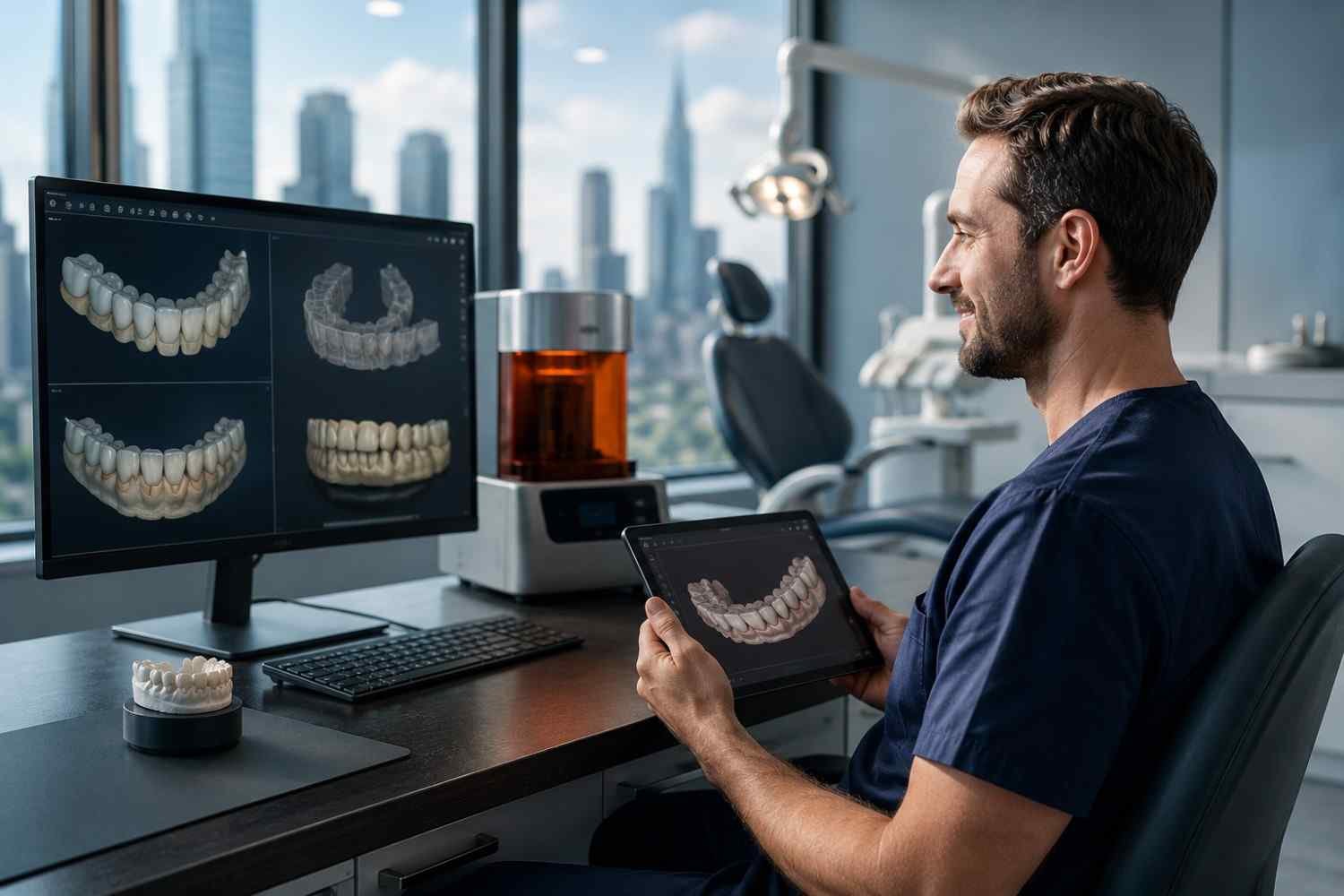
The modern orthodontic practice faces a persistent dilemma: how to accommodate a growing patient roster without overwhelming the clinical team or sacrificing the quality of care. Growth often seems to require an equal increase in hours and labor, creating a ceiling on how much a practice can realistically expand. The key to breaking this ceiling lies not in working harder or longer, but in adopting technologies that redefine efficiency. Digital indirect bonding represents a profound operational shift, offering a pathway to dramatically increase case volume by turning one of the most time-consuming procedures, bracket placement, into a streamlined and predictable process. This transformation moves the bulk of the labor from the clinic floor to the planning stage, enabling orthodontists to scale their businesses sustainably.
The Historical Challenge of Traditional Bracket Placement
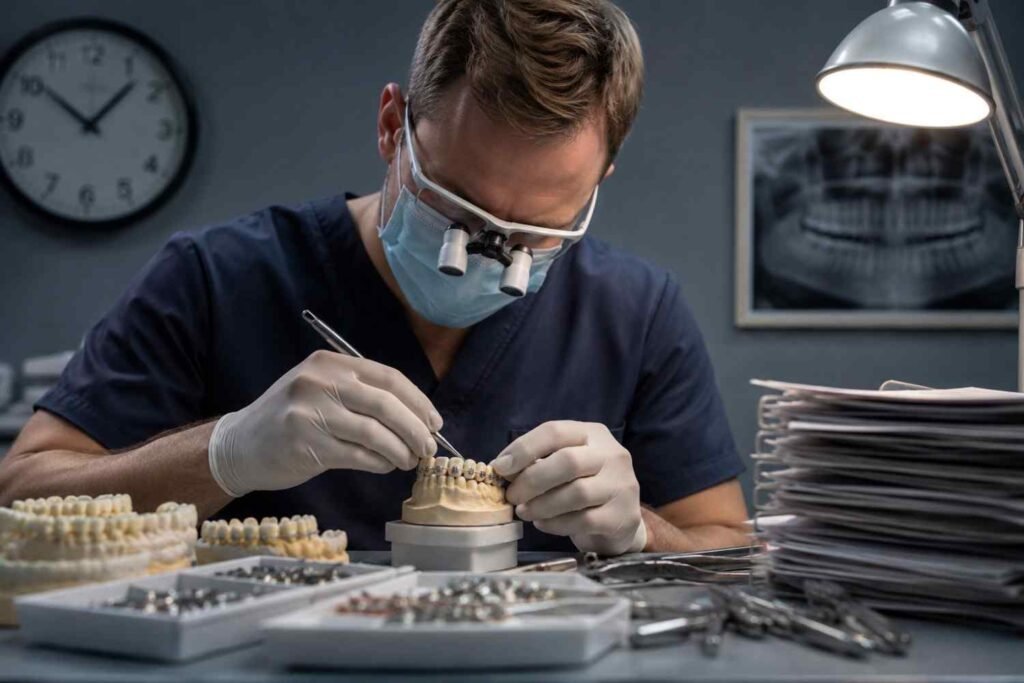
For decades, achieving bracket placement accuracy required significant chair time and a reliance on manual dexterity. Direct bonding, the conventional method, demands intense focus and precision while working directly in the mouth of the patient. This process is highly technique sensitive and vulnerable to variables such as moisture control, patient discomfort, and visibility. The chair time dedicated to this procedure is substantial, tying up valuable clinical staff and limiting the number of new patients a practice can onboard daily. Practitioners are often forced to choose between the speed of direct placement and the clinical superior results of more precise methods.
Conventional Indirect Bonding: The Old Bottlenecks
Traditional indirect methods offered precision but introduced new forms of inefficiency that made the technique difficult to sustain. This technique required creating physical models, manually placing brackets on those models, and then fabricating a transfer tray. Sending impressions or scans to an external laboratory for this work created substantial workflow delays. Turnaround times typically stretched for three to six weeks, often resulting in delayed patient start dates and complex scheduling. Furthermore, the high laboratory fees, often ranging from $200 to $400 per case, made the technique financially burdensome and impractical for many busy clinics. The choice was often between practicality and precision, forcing many practitioners to abandon the technique altogether in favor of less accurate but more efficient methods.
Automating Precision: The Digital Workflow Advantage
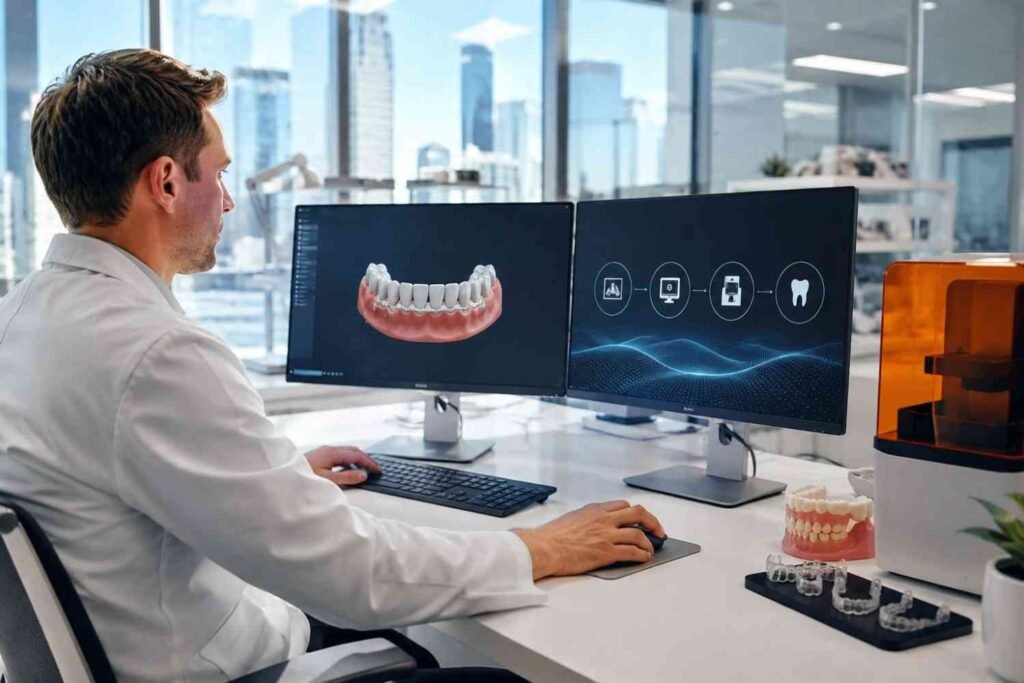
The integration of artificial intelligence and digital scanning has fundamentally resolved the conflicts associated with traditional bonding methods. Modern digital systems analyze high resolution intraoral scans to determine optimal bracket positions with mathematical precision. Sophisticated algorithms evaluate factors such as root angulation, desired tooth movement, and crown anatomy to calculate placement that aligns perfectly with the final treatment objective. This automation removes reliance on technician skill or manual placement, ensuring that bracket positioning is consistent across every single case, regardless of complexity or volume.
Digital bonding platforms integrate fully with existing practice technology, allowing clinicians to plan treatment, approve virtual bracket setups, and generate customized transfer trays without the logistical friction of sending materials back and forth. The planning process itself becomes faster, more accurate, and entirely contained within the digital environment of the practice. This streamlined workflow plays an important role in improving healthcare facility efficiency by reducing delays, optimizing scheduling, and enhancing coordination across the clinical team. By addressing the manual labor and inherent variability of previous methods, digital indirect bonding transforms an operational liability into a significant competitive advantage.
Maximizing Clinical Efficiency
The most significant operational benefit of digital indirect bonding is the radical reduction in chair time required for the actual bonding appointment. By shifting the precision work to the digital planning phase, the in clinic procedure becomes a swift and standardized transfer process. This reorganization of labor allows the clinical team to function at a higher capacity without increasing their daily workload.
Drastically Reduced Chair Time
During the patient appointment, the placement of all brackets is accomplished simultaneously in a fraction of the time compared to individually placing each one. This efficiency frees up clinical capacity, allowing staff to attend to more patients or handle more complex care without working overtime. What was once an hour long procedure involving intense focus is now often completed in under twenty minutes, drastically improving the throughput of the practice. Patients also benefit from shorter, more comfortable appointments, which improves the overall reputation of the clinic. Reducing treatment delays and unexpected adjustments may also help address the link between stress and oral health, since prolonged dental anxiety and repeated procedures can negatively affect overall oral wellness.
Predictability Drives Progress
Accurate initial bracket placement is the foundation for a predictable treatment timeline. When brackets are placed ideally from the start, the need for mid treatment repositioning appointments drops significantly. Each adjustment or refinement adds time and cost to the overall case. By minimizing these corrective procedures, digital bonding shortens the total length of treatment and reduces the number of unscheduled chair visits. This enhanced predictability ensures the schedule of the practice remains lean and efficient, preventing the “logjam” of emergency repairs or mid course corrections.
Rapid Laboratory Turnaround

The delay introduced by physical model based laboratories is eliminated. Instead of waiting several weeks for an external lab, digital systems allow for the rapid creation of 3D printed transfer trays. This rapid turnaround, often achievable within just three to five days, means patients can start treatment sooner, shortening the overall waiting list and enhancing patient satisfaction. Practices can maintain a much tighter and more dependable scheduling cadence, allowing for a more aggressive growth strategy.
The Financial Implications of Digital Integration
Beyond time savings, the transition to a digital workflow enhances the financial viability and scalability of an orthodontic business. The reduction in external laboratory fees, coupled with lower material consumption and minimal shipping costs, directly improves the profit margin on every case. Moreover, by minimizing time spent on repositioning and managing complications, the utilization rate of the entire clinical staff improves. The practice can generate more revenue per chair hour, which is the primary metric for orthodontic profitability.
This increase in operational bandwidth directly translates to the capacity to handle a greater patient volume. A practice that can cut fifty percent of the labor time from its bonding appointments and twenty percent from follow up refinements has created significant room for new patient growth without necessitating larger facilities or additional hires. The efficiency gains act as a multiplier, allowing existing resources to support substantially more cases. Embracing modern digital indirect bonding braces technology represents a strategic investment in long term financial health and growth. This allows the business to scale horizontally by adding more cases within the same footprint.
Precision as the Foundation for Growth
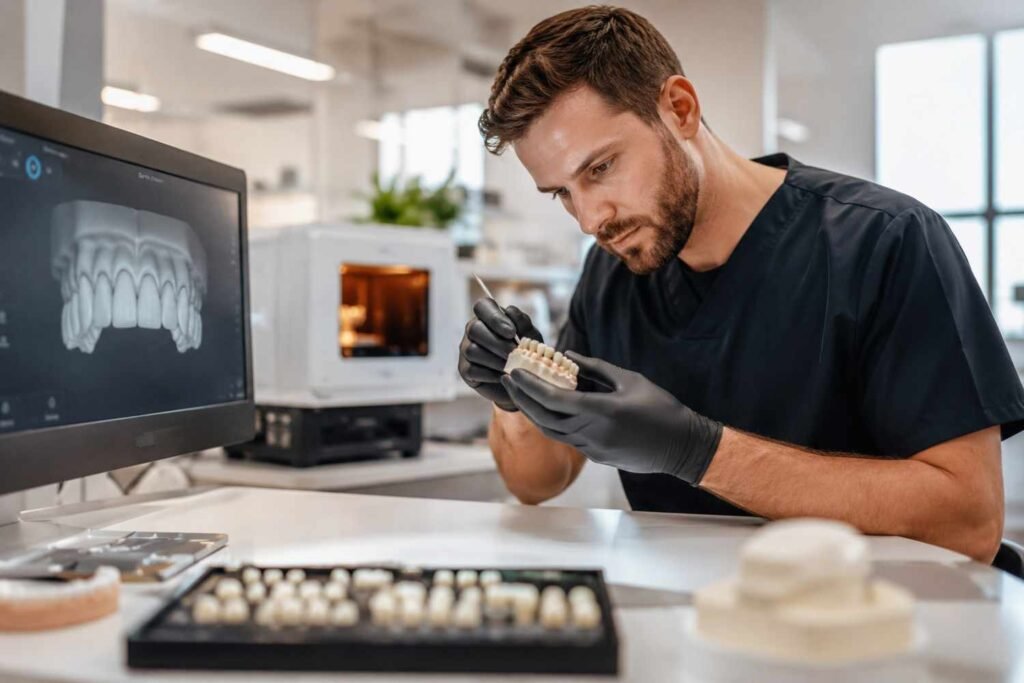
The orthodontic profession is moving toward a standard of highly precise, technology driven care. Digital indirect bonding makes it possible to uphold the highest clinical standards while simultaneously meeting the demands of a high volume practice. The technology empowers practitioners to manage increased caseloads by automating complexity and standardizing accuracy. This shift is not merely an improvement in technique; it is the establishment of a fundamentally more scalable business model. By leveraging automation for precision, orthodontists can confidently expand their reach, knowing that their workflow can efficiently support the increased patient volume.
The question for growing practices is not whether they can afford to adopt these tools, but whether they can afford to remain tied to older methods that limit their potential for success and expansion. The digital era has finally made world class precision the practical and profitable standard. Practices that adopt these workflows early will find themselves better positioned to lead the market, offering both superior clinical results and a superior patient experience. Scaling for success requires a departure from manual limitations and an embrace of the digital future.