
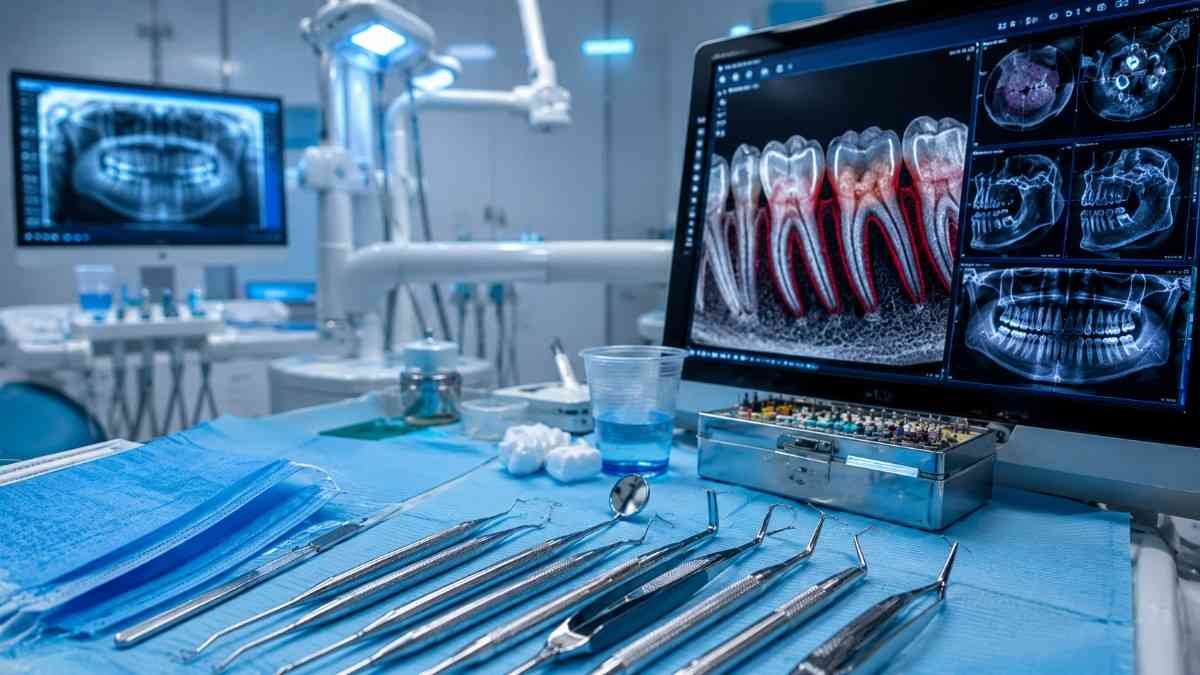
Dental issues often arise unexpectedly. A sudden toothache, broken tooth, or oral swelling can be painful and stressful. While some concerns can wait for a regular appointment, others need immediate treatment to prevent complications. Ignoring serious dental symptoms can lead to worsening pain, infection, or permanent damage. Recognizing these warning signs helps you seek prompt treatment and protect your oral health. Understanding when to seek urgent care can significantly impact your recovery and long-term dental well-being.
Severe Tooth Pain That Does Not Go Away
One of the most common reasons to seek emergency dental care is severe tooth pain. While mild sensitivity isn’t always urgent, you should never ignore intense or persistent pain. This level of discomfort can indicate deep decay, an infection, nerve damage, or an abscess. If the pain makes it hard to eat, sleep, or speak, it’s time to contact a dental professional immediately.
Pain that suddenly worsens can also signal a progressing condition. Seeking early treatment can help prevent serious complications and reduce the need for extensive procedures later. Many people search for an emergency dentist when their tooth pain becomes impossible to ignore.
Swelling in the Gums, Face, or Jaw
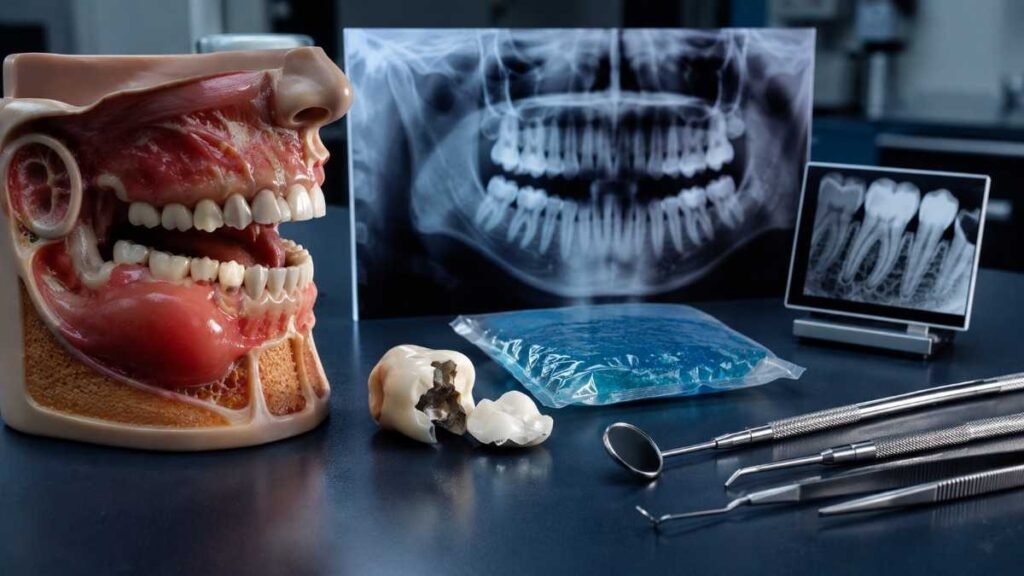
Swelling around your mouth or face can be a serious warning sign of an infection that needs immediate attention. If left untreated, dental infections can spread to nearby tissues and impact your overall health. Swelling may also come with a fever, a bad taste in your mouth, or difficulty swallowing. If you notice any swelling in your gums, jaw, or cheeks, especially if the pain is getting worse, you should see a dentist quickly. Early care can help control the infection and prevent further complications. Often stress is linked with worsening oral health.
A Knocked-Out Tooth
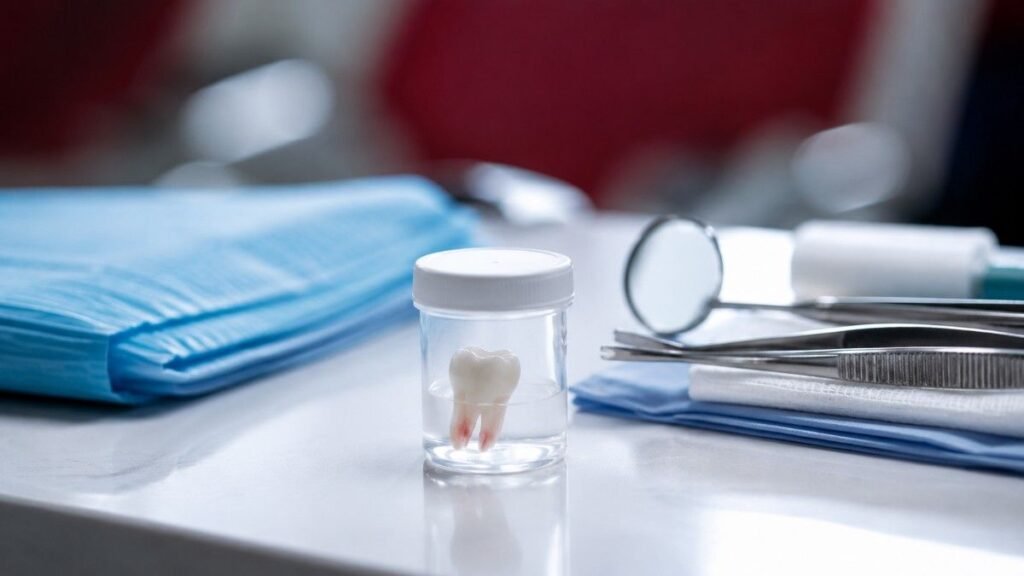
A knocked-out tooth is a dental emergency because immediate action can increase the chances of saving it. This can happen due to accidents during sports, falls, or other injuries that force a tooth completely out of its socket. If this occurs, handle the tooth carefully, keep it moist, and seek immediate dental care.
Time is critical, as prompt treatment offers the best chance of success. Even if the tooth can’t be saved, emergency care helps protect the surrounding teeth and gums and allows for discussion of replacement options. Quick attention after dental trauma can reduce long-term complications and improve recovery.
Broken or Cracked Teeth
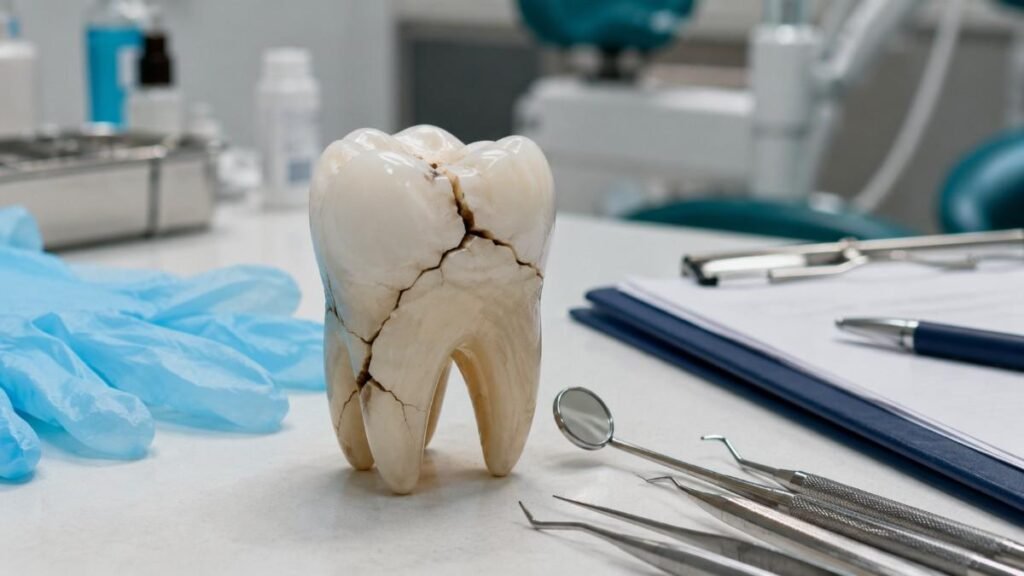
Cracked or broken teeth can range in severity, but larger fractures require prompt treatment. This type of damage can expose sensitive inner layers of the tooth, causing pain and raising the risk of infection. While some fractures happen from biting hard foods, others are the result of accidents.
Symptoms often include sharp pain, temperature sensitivity, or visible damage. Seeking immediate dental care along with senior oral care can help save the tooth and prevent the issue from worsening. Delaying treatment could lead to infection or even tooth loss.
Bleeding That Does Not Stop
While minor bleeding after brushing or flossing isn’t usually an emergency, uncontrolled oral bleeding should never be ignored. If bleeding from trauma, injury, or a dental procedure persists, it requires immediate evaluation, as it can indicate serious tissue damage.
Applying gentle pressure might offer temporary relief, but if the bleeding doesn’t slow down or stop, seek professional care. Significant oral bleeding should be treated as a serious health concern to prevent further complications.
Signs of a Dental Abscess
A dental abscess is a serious infection that forms around the root of a tooth or in the gums. Left untreated, this condition can become dangerous. Common signs include severe, throbbing pain, swelling, pus drainage, fever, bad breath, and sensitivity when chewing. Some people also notice swelling spreading to their jaw or neck.
An abscess requires urgent care because the infection can spread beyond the mouth if ignored. Early treatment reduces pain and protects your overall health. Many emergency dental visits are for painful infections that suddenly worsen.
Loose or Damaged Dental Restorations
Losing a filling, crown, or other dental restoration might not seem urgent, but it exposes vulnerable parts of the tooth. When a restoration becomes loose or falls out, the tooth can become sensitive, painful, or more prone to cracking. It can also make eating and speaking uncomfortable. Seeking prompt treatment helps protect the tooth and prevent further damage.
Difficulty Eating or Speaking
Any dental issue that significantly affects normal daily activities should be evaluated quickly. Severe discomfort while eating, speaking, or opening the mouth may indicate a more serious problem beneath the surface. Jaw injuries, infections, and damaged teeth can all interfere with normal oral function. Early treatment often improves comfort while helping prevent the issue from becoming more complicated.
Conclusion
Dental emergencies can occur unexpectedly and require immediate attention to prevent serious complications. Signs like severe pain, swelling, infections, broken teeth, or uncontrolled bleeding indicate that professional care is needed right away. Seeking help from an emergency dentist in Orem can provide prompt treatment to relieve discomfort and protect your oral health.
Acting quickly during a dental emergency can improve your recovery, reduce pain, and help preserve your natural teeth. Understanding these warning signs helps you know when to seek timely care for urgent dental problems.