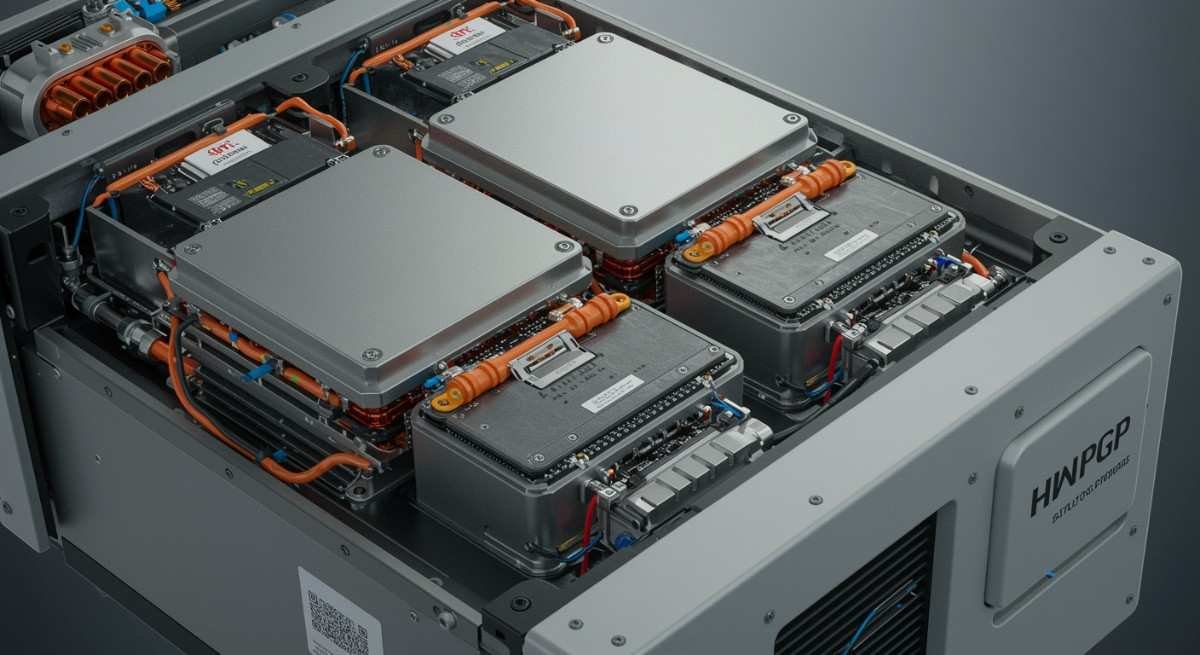

Biotech companies handle highly sensitive materials every single day. From unique cell lines to complex chemical compounds, the integrity of these assets dictates the success of ongoing research and clinical trials. Proper storage is a fundamental necessity for compliance, sample viability, and laboratory safety.
A single temperature fluctuation or a minor contamination event can destroy months of expensive research. Facility managers and lead researchers must implement highly reliable systems that meet strict industry standards. Modern laboratories require diverse equipment to handle varying temperature profiles, chemical stabilities, and physical footprint constraints.
Understanding the available infrastructure options helps organizations protect their valuable biological assets. The following seven storage solutions provide the reliability and precision required in modern biotechnology environments.
Ultra-Low Temperature (ULT) Freezers
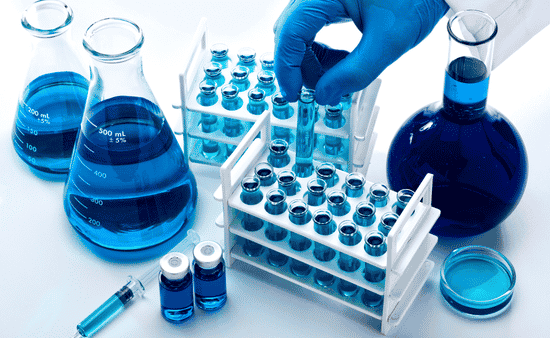
Biological samples often degrade rapidly if kept at room temperature. Ultra-low temperature freezers maintain internal environments between -40°C and -86°C, providing a stable environment for long-term preservation. These units are critical for storing enzymes, DNA, RNA, and certain types of proteins.
Modern ULT freezers feature advanced compressor designs that minimize temperature recovery times after researchers open the doors. They also include built-in alarm systems that alert laboratory staff immediately if the internal temperature drifts outside a predefined safe range.
High-Capacity Cryogenic Systems
Some biological materials, such as stem cells, embryos, and specific cell therapies, require even lower temperatures to suspend cellular metabolism entirely. A liquid nitrogen freezer maintains temperatures around -196°C.
These units utilize multilayer vacuum insulation to limit nitrogen consumption while maximizing storage capacity. Large-scale models can hold tens of thousands of vials simultaneously, making them ideal for growing biorepositories. Advanced dual-level sensing and automated control panels ensure the environment remains perfectly stable over extended periods.
Automated Biobanking Systems
Handling thousands of samples manually increases the risk of human error and unnecessary temperature exposure. Automated biobanking systems use robotics to store, track, and retrieve specific vials without exposing the rest of the inventory to ambient air.
When a researcher requests a specific sample, the robotic arm locates and extracts it automatically. This solution significantly reduces the time staff spend searching through frosty racks. It also maintains a highly accurate digital inventory, ensuring full traceability for regulatory compliance.
Walk-In Cold Rooms
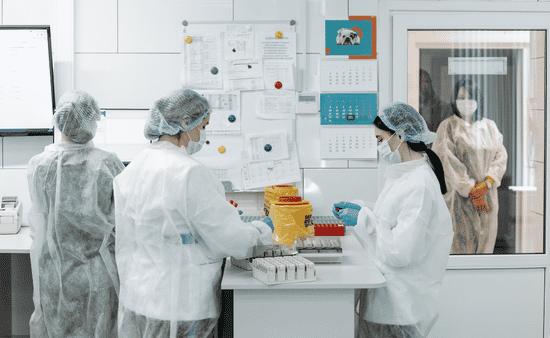
When a facility needs to store massive quantities of bulk reagents, media, or larger experimental setups, individual refrigerators simply lack the necessary space. Walk-in cold rooms provide massive volumetric capacity. They operate at standard refrigeration temperatures, typically between 2°C and 8°C.
These rooms utilize heavy-duty insulated panels and redundant cooling systems to maintain uniform temperatures across large areas. Facility planners often design these rooms with custom shelving configurations to accommodate oversized containers and specialized laboratory equipment that must operate in a chilled environment.
Secure Digital Data Storage
Physical samples represent only half of a biotech company’s valuable assets. The other half consists of the massive datasets generated through genomic sequencing, clinical trials, and daily laboratory operations. Bioinformatics data requires massive, highly secure storage solutions.
Cloud-based data storage allows global research teams to access information collaboratively. These platforms must adhere to strict data privacy regulations like HIPAA or GDPR. On-site enterprise servers offer an alternative for organizations handling highly classified proprietary research, providing complete physical control over digital assets.
Chemical and Flammable Storage Cabinets
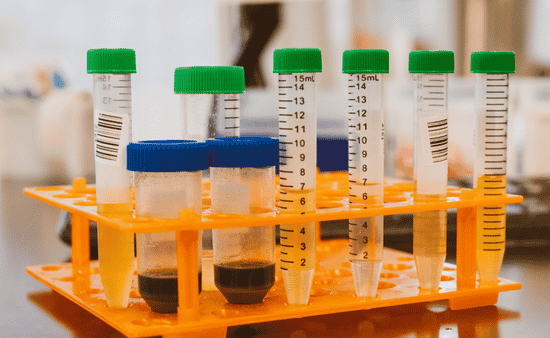
Laboratories utilize highly reactive and flammable chemicals during routine procedures. Storing these substances safely is a matter of strict legal compliance and workplace safety. Chemical storage cabinets are constructed from heavy-gauge double-walled steel to isolate hazardous materials from potential ignition sources.
These cabinets feature specialized venting systems to prevent the buildup of dangerous fumes. They also include self-closing doors and spill-proof sills to contain any accidental leaks. Laboratories often use color-coded cabinets to separate incompatible chemicals, such as storing acids away from bases.
Specialized Reagent Refrigerators
Standard domestic refrigerators experience significant temperature swings, especially during defrost cycles. Specialized laboratory refrigerators provide tight temperature uniformity, ensuring sensitive reagents, antibodies, and vaccines remain viable.
These units use forced-air circulation to eliminate warm spots and maintain a consistent internal climate. They feature glass doors for quick inventory checks, minimizing the need to open the unit. High-performance reagent refrigerators also integrate smoothly into centralized laboratory monitoring networks.
Planning Your Laboratory Infrastructure
Selecting the correct equipment requires a thorough assessment of a facility’s specific operational needs. Researchers must calculate current inventory volumes while projecting future growth. Evaluating the exact temperature requirements for specific sample types ensures the laboratory remains fully equipped to handle complex biological materials. Implementing a tiered approach to sample preservation creates a robust, secure, and highly efficient working environment for scientific innovation.