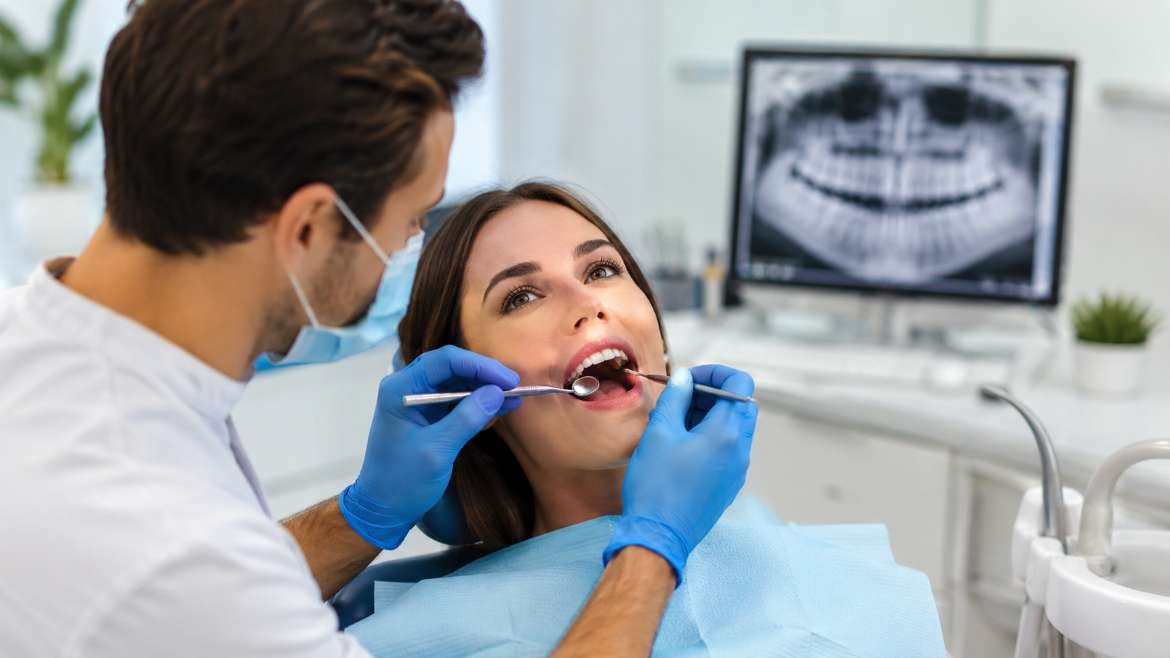
While your teeth are built for years of use, they aren’t immune to damage. Over time, issues like decay, injuries, or general wear can weaken a tooth and leave it vulnerable to further harm. In these situations, a dental crown is often the best solution for protecting and restoring it.
A dental crown acts as a protective cap that covers the visible part of a damaged tooth, restoring its strength, function, and appearance while preventing more damage. Learning to recognize the signs that you might need a crown can help you get treatment before a small issue becomes a big problem and preserve your long-term oral health.
What Is a Dental Crown?
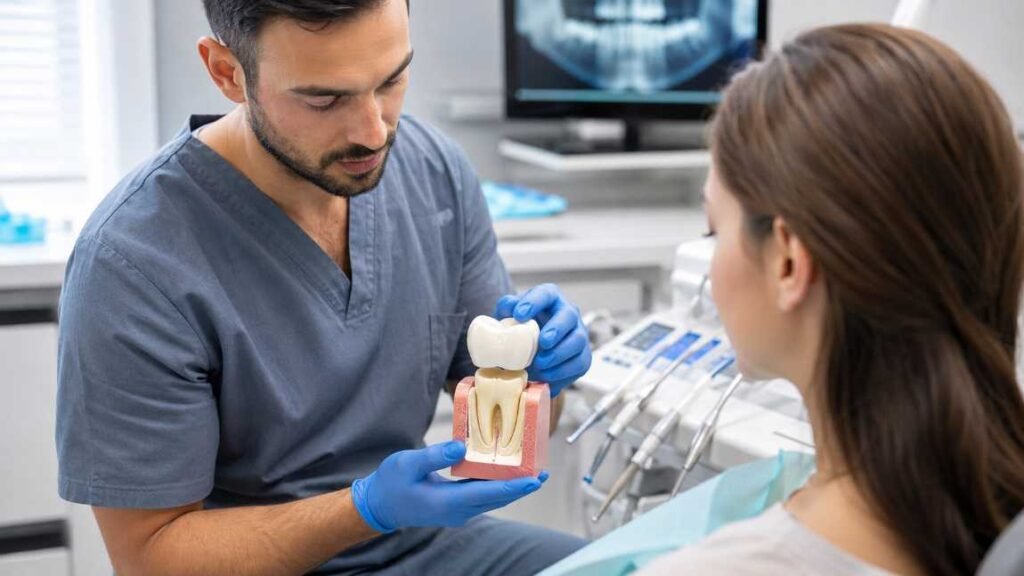
A dental crown is a custom-fit cap that covers the visible part of a tooth above the gumline. It’s often used when a tooth is too damaged for a filling but doesn’t need to be extracted.
A crown restores the tooth’s original shape, size, and strength while protecting it from further damage. Modern crowns are designed to match your surrounding teeth, making them both functional and natural-looking.
You Have a Cracked or Fractured Tooth
One of the most common reasons for needing a dental crown is a cracked or fractured tooth. Cracks can result from trauma, biting hard foods, teeth grinding, or natural wear.
Even a small crack can weaken the tooth’s structure, making it vulnerable to further damage. If left untreated, the crack can expand and reach the inner part of the tooth. A crown holds the tooth together, preventing the crack from worsening and often avoiding more extensive future treatment.
A Large Filling Is No Longer Providing Support
While fillings can repair small to moderate cavities, they may not be enough when a large part of the tooth is damaged.
A large filling can weaken the remaining tooth structure, making it prone to fractures from chewing pressure over time.
A dental crown reinforces the tooth, providing the strength needed to withstand daily use and helping to preserve the tooth for years to come.
You Experience Persistent Tooth Sensitivity
While occasional tooth sensitivity is common, persistent discomfort may signal an underlying problem. This sensitivity to hot, cold, or pressure can happen when decay, cracks, or enamel loss weakens a tooth. A dental crown can protect these exposed, compromised areas, creating a barrier that shields sensitive tissues from external triggers.
Daily tension can lead to teeth grinding, jaw clenching, and missed care habits, making stress and oral health an important connection to understand when dealing with tooth sensitivity or long-term dental discomfort.
Addressing sensitivity early not only improves your comfort but also helps prevent further damage.
Your Tooth Has Undergone Root Canal Treatment
A root canal removes infected or damaged tissue from inside a tooth. While this procedure can save the tooth, it often leaves the remaining structure fragile and prone to cracking, as it no longer receives nourishment from the inner pulp.
A dental crown is typically recommended to strengthen and protect the treated tooth. This added support helps ensure the long-term success of the root canal and reduces the risk of future complications.
Significant Tooth Wear Is Affecting Function
Teeth naturally wear down over time, but excessive wear from grinding, clenching, or acid erosion can compromise their strength and function. Severely worn teeth often become shorter, weaker, and more prone to fractures.
A dental crown can restore the tooth’s original shape and height, protecting it from further damage. This restores proper function, allowing for more comfortable chewing and better overall oral health.
older adults may face unique dental concerns, following practical oral care for seniors can help support stronger teeth, healthier gums, and better long-term oral comfort.
A Tooth Is Severely Decayed
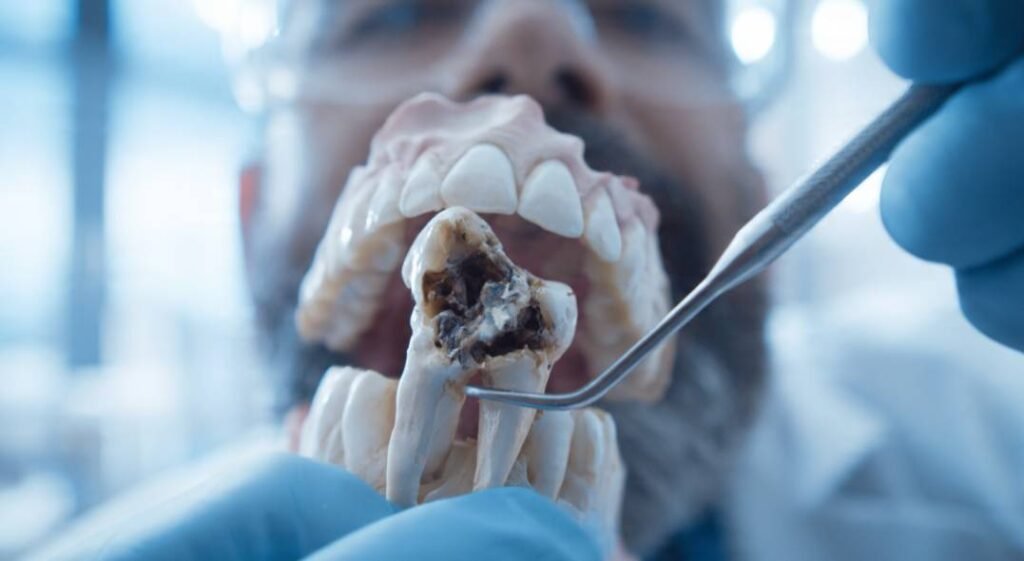
When decay is extensive, a filling may not be enough to restore the tooth. Large cavities weaken the tooth’s structure, making it more likely to break. In these cases, a dental crown provides full coverage, protecting the remaining healthy part of the tooth.
This prevents further decay while restoring normal function. Patients exploring dental crowns in Lafayette often find them an effective way to save teeth that might otherwise need to be extracted.
Cosmetic Concerns Affect Your Confidence

Dental crowns aren’t just for structural support; they can also enhance the appearance of teeth that are severely discolored, misshapen, or damaged. When cosmetic issues affect your confidence, a crown can improve a tooth’s look while maintaining its function.
Modern crowns are crafted to match the color and shape of your other teeth, creating a natural smile. This ability to improve both appearance and strength makes crowns a versatile restorative solution.
Why Early Treatment Matters
Delaying treatment for a damaged tooth can allow the problem to worsen. Small cracks can expand, decay can spread, and a weakened tooth might break beyond repair. Prompt dental care allows your dentist to evaluate the tooth and determine if a crown is the best solution.
Early intervention often preserves more of the natural tooth and reduces the need for complex procedures like root canals or extractions. Protecting a vulnerable tooth sooner rather than later leads to better long-term outcomes and helps you maintain a healthy smile.
Conclusion
Dental crowns are crucial for protecting damaged teeth and preserving your smile. A crown can provide the support needed to maintain long-term oral health, whether you have a cracked tooth, a large filling, severe decay, or have undergone a root canal.
Seeking timely treatment for these issues can help you avoid more complex dental problems down the line. Acting early restores function, preserves your natural teeth, and keeps your smile strong for years.