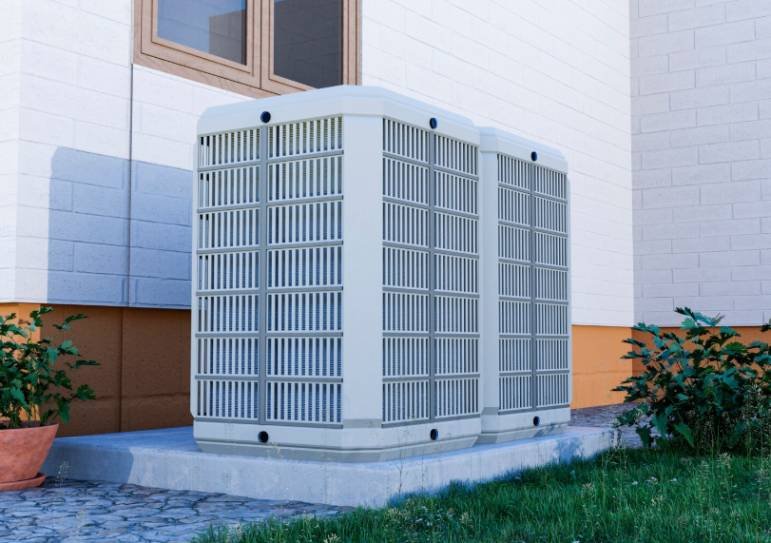
Heat pumps are an increasingly popular choice for heating and cooling homes efficiently by transferring heat rather than generating it through combustion. Despite their energy-efficient design, heat pumps can experience a decline in performance over time.
Understanding how to reclaim heat pump efficiency is essential for maintaining optimal operation, reducing energy consumption, and prolonging the equipment’s lifespan.
Understanding Heat Pump Operation
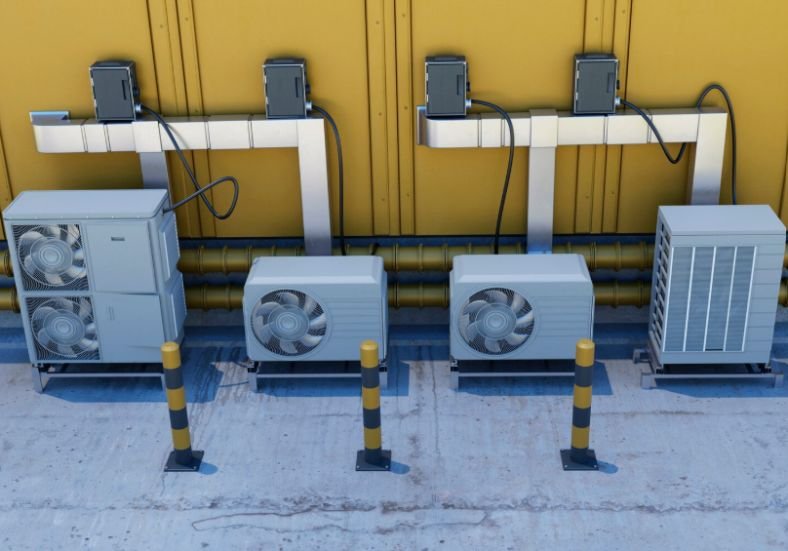
A heat pump works by transferring heat from one place to another using a refrigeration cycle. In heating mode, it extracts heat from outside air or the ground and moves it inside.
Conversely, it reverses the process during cooling. This process relies on a series of components including the compressor, expansion valve, evaporator, and condenser. Each element must operate effectively to ensure the heat pump performs at its best.
Common Causes of Efficiency Loss
Several factors contribute to the reduction in heat pump efficiency. Over time, the accumulation of dirt and debris on coils, improper refrigerant levels, mechanical wear, and electrical issues can reduce the system’s capacity to transfer heat effectively.
Additionally, incorrect thermostat settings or clogged air filters can hinder airflow, forcing the system to work harder.
Regular Maintenance Practices
Routine maintenance is the foundation for reclaiming heat pump efficiency. Cleaning or replacing air filters monthly during periods of heavy use helps maintain proper airflow. Cleaning outdoor coils by removing debris ensures that heat exchange can occur unhindered.
Furthermore, professional inspections can identify refrigerant leaks, electrical faults, or worn components before they increase energy usage and cause damage.
Reclaim Heat Pump Efficiency Through Optimising Settings
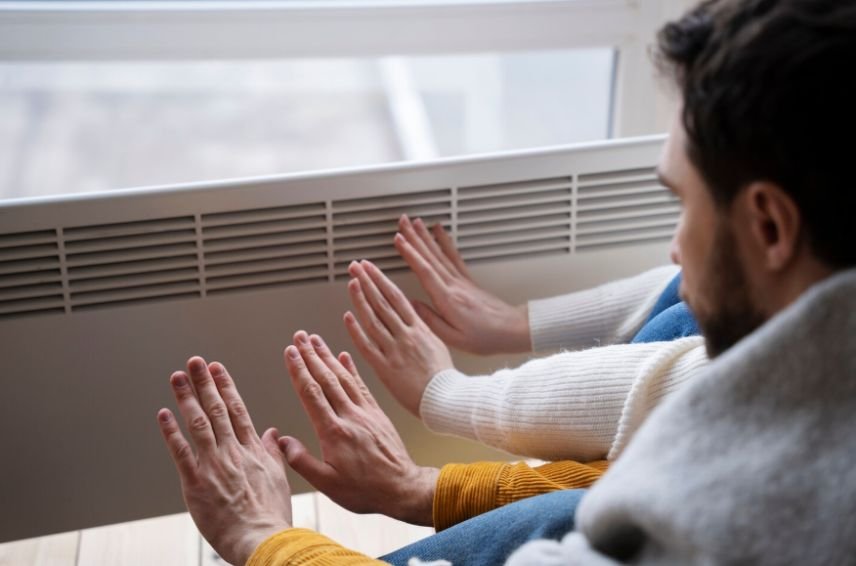
Setting the thermostat to appropriate temperatures avoids overworking the heat pump. Using lower temperatures for heating or higher temperatures for cooling can reduce the system’s workload.
Installing a programmable thermostat can help regulate temperature settings according to occupant schedules, ensuring the system operates only when needed.
Improving Home Insulation
Heat pumps are most efficient when homes are well insulated. Proper insulation in walls, attics, and floors reduces heat loss in winter and heat gain in summer.
This minimises the demand on the heat pump, allowing it to maintain desired comfort levels without constant operation. Weather-stripping doors and sealing window leaks are simple yet effective measures to enhance home energy efficiency.
Homeowners who want broader protection beyond heating performance can also follow the practical ways to safeguard home year round to improve comfort, safety, and long-term property care.
Optimise Airflow Within the Building
Inadequate airflow around the heat pump or within ductwork can cause uneven heating or cooling and strain the system.
Ensuring that vents and registers are not blocked and that ducts are clean and sealed will improve air circulation. Regular duct inspections and cleaning contribute significantly to maintaining heat pump efficiency.
Professional Servicing and Inspections
While minor maintenance can be performed by homeowners, professional servicing plays a crucial role in reclaiming heat pump efficiency.
Qualified technicians can perform detailed diagnostics, recharge refrigerant if needed, and assess compressor and electrical components for optimal function. Scheduling annual or biannual servicing can prevent small issues from escalating into major repairs.
For major home systems, avoiding risky shortcuts matters, the plumbing fixes can make problems worse which can help homeowners choose safer professional support.
Addressing Refrigerant Levels
Low refrigerant levels are a common cause of diminished heat pump performance. Loss of refrigerant often indicates leaks within the system, which require professional repair. Maintaining adequate refrigerant ensures the heat pump can transfer heat effectively, thus operating efficiently.
Updating or Upgrading System Components
In some cases, older heat pumps may benefit from component upgrades such as variable-speed compressors or advanced thermostatic controls.
These improvements optimise performance by adjusting to changing demand and external conditions. If the heat pump is significantly outdated, replacement with a modern, energy-efficient model may offer greater long-term savings.
Monitoring Usage and Energy Consumption
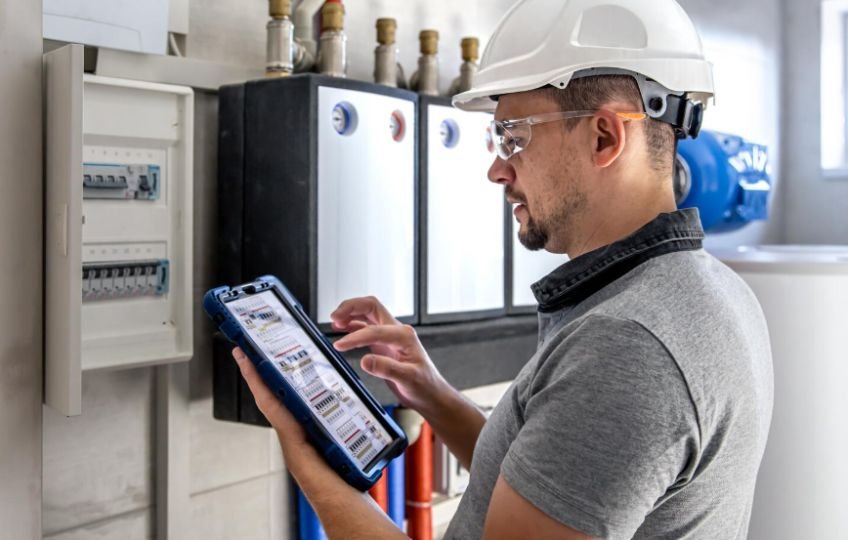
To fully reclaim heat pump efficiency, monitoring system performance over time is valuable. Energy consumption data can highlight anomalies indicating inefficiency, such as spikes in usage unrelated to weather or occupancy.
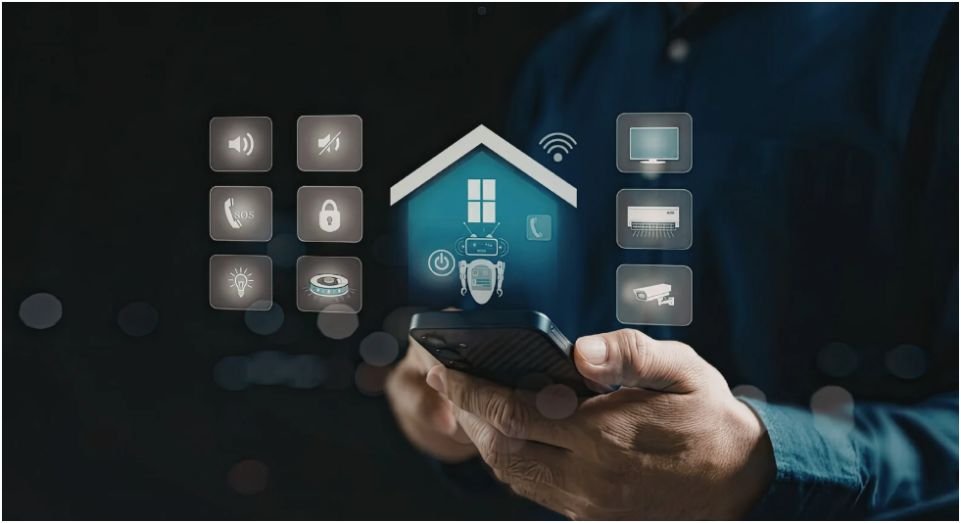
Many modern heat pumps incorporate smart technology or integrate with home energy management systems, allowing users to track and adjust operation according to real-time conditions.
Benefits of Reclaiming Heat Pump Efficiency
Maintaining a heat pump at peak efficiency results in lower energy bills, reduced environmental impact, and improved comfort within the home.
Efficient heat pumps also experience less wear and tear, reducing the frequency and cost of repairs. Homeowners who proactively address efficiency tend to enjoy greater reliability from their systems.
Actions to Reclaim Heat Pump Efficiency
Homeowners seeking to reclaim heat pump efficiency can begin with straightforward tasks such as regularly cleaning filters and coils, ensuring vents are unblocked, and verifying thermostat settings.
Beyond these measures, consulting resources about how to reclaim heat pump efficiency provides practical advice and professional service options designed to restore optimal system performance.
Conclusion
Heat pumps are an effective and sustainable choice for home heating and cooling, but their efficiency can decline without proper care.
Through routine maintenance, setting optimisation, improved building insulation, professional servicing, and regular performance monitoring, homeowners can significantly reclaim heat pump efficiency.
These actions not only reduce operating costs but also support environmental sustainability and home comfort.