
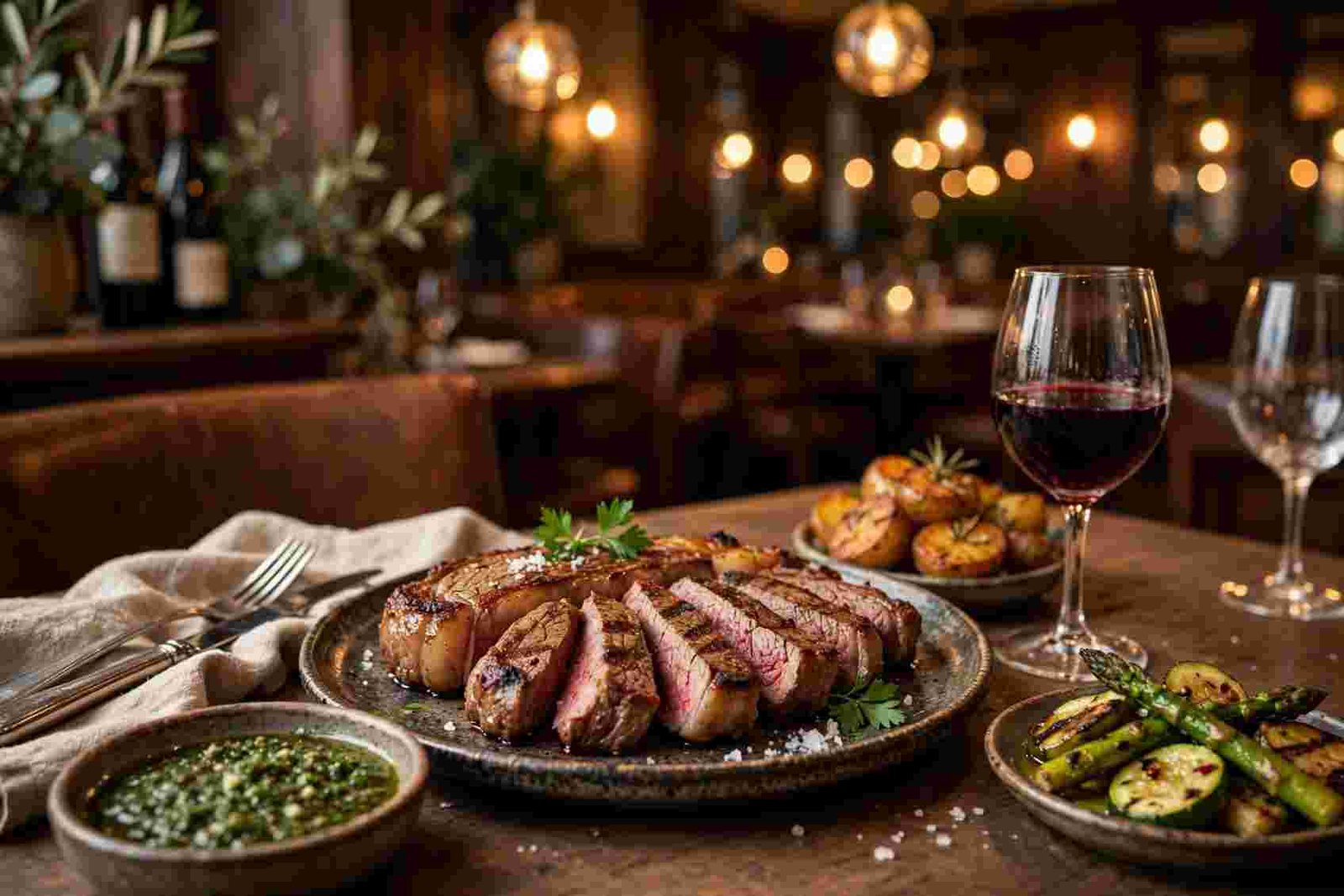
An Argentine steakhouse menu becomes easier to navigate when you ask questions about how the restaurant expects the food to be enjoyed. Names alone may not explain portion sizes, preparation, or the relationship between mains and accompaniments. A brief conversation can prevent an order that is larger or different from what you intended.
Start with the meal’s shape. Ask whether the table should choose individual dishes, share a larger cut, or combine approaches. Then consider appetite, preferences, and the amount of time available. Those details give the server a useful basis for recommendations.
Ask questions that lead to a decision
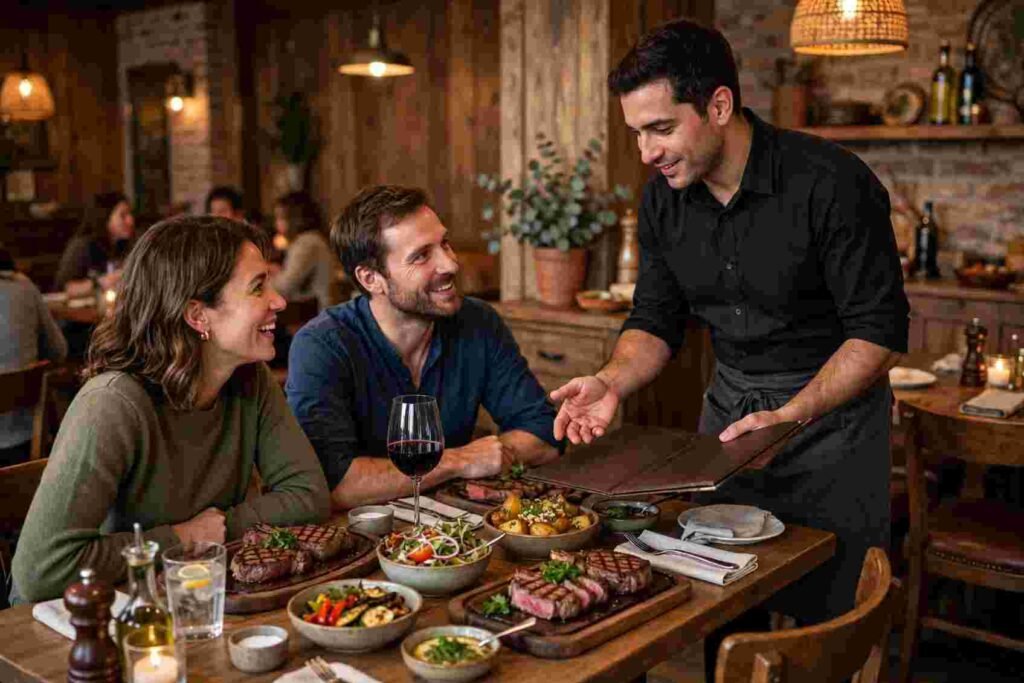
Instead of asking only what is best, explain what you enjoy. Ask how two cuts differ, whether a sauce is served separately, or which sides provide a useful contrast. If an ingredient matters for health or dietary reasons, make that explicit.
At an Argentine steakhouse in Utah, a question about the restaurant’s particular approach is often more useful than assuming every venue follows the same tradition. Confirm what is included in the listed price and what is ordered separately. The goal is to understand enough to choose confidently. A good meal can include familiar favorites and one new dish without requiring a complete education in the cuisine before you sit down.
A useful menu question includes enough information for the server to guide you. For example, explain that you want a lighter start before a substantial main, or that two people would like to share without ordering too much. Those preferences are easier to act on than a general request for the best dish.
If the answer includes an unfamiliar term, ask for a plain description. You can also clarify whether a preparation is adjustable and whether a sauce arrives separately. Keep dietary requirements distinct from optional preferences so staff understand which questions need particular care. A short, specific conversation usually makes ordering more comfortable and leaves the meal feeling relaxed rather than uncertain.
For diners who experience digestive discomfort, asking about ingredients, cooking methods, and sauces can help them make more informed menu choices. Food triggers vary from person to person, so it is worth reviewing individual tolerances rather than assuming a particular dish will be suitable. This resource on foods for acid reflux provides additional context for identifying foods that may aggravate symptoms and planning meals more thoughtfully.
Plan around the people at the table

Before choosing the details, ask about dietary restrictions, accessibility needs, and the preferred pace of the evening. Guests do not need identical tastes to enjoy the same restaurant. They do need enough information to know whether the setting and menu can accommodate them.
For diners who are mindful of their nutritional needs, asking about ingredients and side dishes can help them make choices that align with their broader dietary goals. While a steakhouse meal can be enjoyed as part of a varied diet, nutritional needs are best considered across meals rather than judged by a single dish. This overview of foods for bone health explores nutrients and food choices that support bone health, offering useful background for people who want to make informed dietary decisions.
Review the current menu and contact the restaurant about questions that cannot be answered online. Ingredient lists and preparation methods can change. Anyone with a food allergy should discuss it directly with staff and explain the seriousness of the concern. Never assume that a dish is suitable because a similar version elsewhere was safe.
Use the reservation to prevent surprises

Confirm the date, party size, and any special arrangements when booking. For groups, ask about seating, arrival windows, deposits, and cancellation terms. Policies vary by restaurant and may differ for private events. Clarify them before collecting money or sending invitations.
A budget is easier to manage when it includes more than the main course. Consider starters, sides, beverages, taxes, gratuity, and any agreed event charges. If guests will pay separately, ask whether the restaurant can handle the arrangement. Resolving payment expectations beforehand keeps the end of the meal from becoming the most complicated part of the evening.
A short planning checklist
- Check the current menu rather than an old photograph.
- Share dietary and accessibility questions before arrival.
- Confirm the reservation and any seating requests.
- Include extras and service charges in the budget.
- Leave enough time for the meal and the trip home.
Leave room to enjoy the meal
A good plan removes uncertainty without scripting every moment. Decide which details matter most, then let the restaurant guide the service. Staff can explain unfamiliar dishes, suggest an ordering sequence, and clarify portion sizes. Asking a straightforward question is more useful than guessing from a description.
Choosing a wine can be another enjoyable part of the dining experience, especially when you understand which styles suit your preferences and the flavors of the meal.
If you are unfamiliar with wine varieties, exploring reputable recommendations beforehand can help you recognize options you may want to ask about at the restaurant. This guide to top-rated wines offers a starting point for discovering different selections before your next steakhouse visit.
If the meal marks a celebration, tell the restaurant what you are hoping to arrange and ask what is actually available. Do not assume decorations, special desserts, or a particular table are included. A little advance coordination helps the evening feel comfortable and gives guests more attention for the food, the conversation, and one another.
For a mixed group, share useful information without asking everyone to commit to an order far in advance unless the restaurant requires it. A current menu link, a clear arrival time, and a straightforward explanation of payment arrangements are usually more helpful than a long set of instructions. Let guests raise private dietary questions directly with staff if they prefer. Good organization makes people comfortable while preserving enough flexibility for the evening to feel like a meal together.
Contact Libertango with questions about preparation, portions, and accompaniments before your visit.