
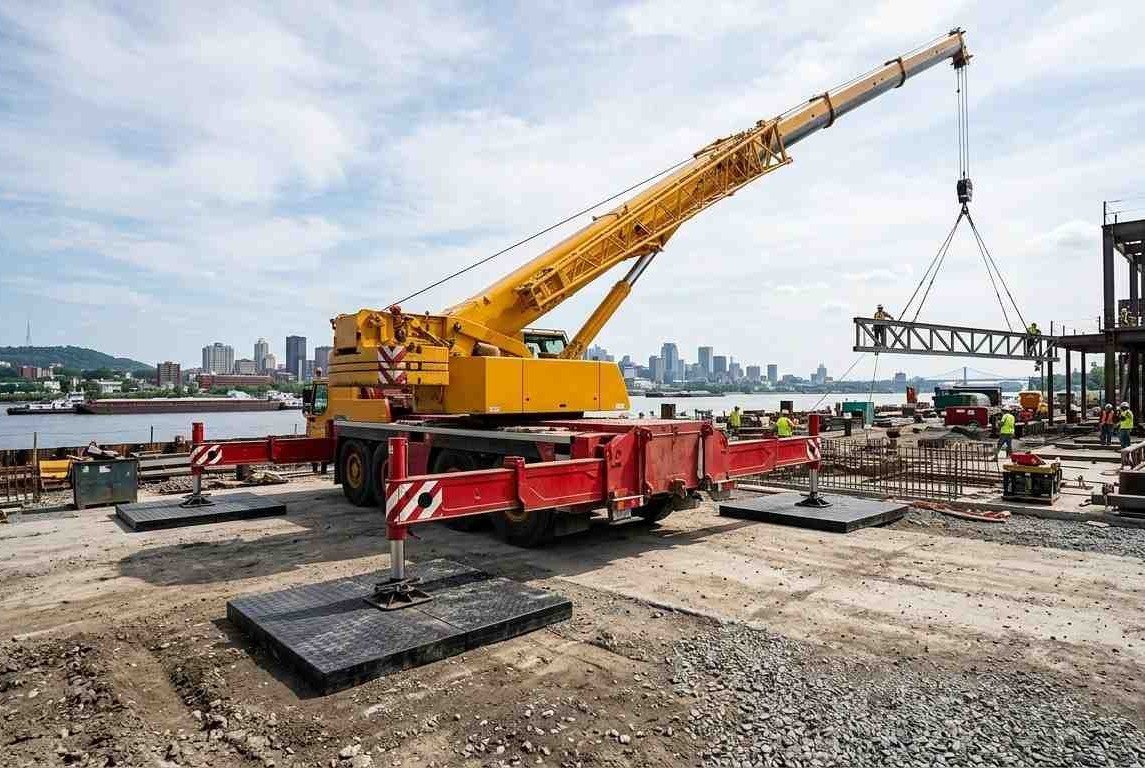
Crane operations demand a high level of safety and stability, particularly on construction sites and industrial environments. One essential component to ensure this stability is the use of outrigger pads. These devices play a crucial role in preventing accidents, protecting surfaces, and extending the operational capacity of cranes. This article serves as a comprehensive guide to understanding the importance, types, and applications of outrigger pads.
What Are Outrigger Pads?
Outrigger pads are large, flat, and sturdy support elements placed under the outriggers of cranes and other heavy machinery. They distribute the load exerted by the crane more evenly across the ground, reducing the risk of the crane tipping or sinking into the surface. By increasing the contact area between the outrigger and the ground, they also protect the terrain from damage caused by concentrated weights.
The Importance of Outrigger Pads in Crane Safety
Crane safety depends significantly on the stability of the base. Outriggers extend the footprint of a crane to provide this stability, but setting the outriggers directly on soft or uneven surfaces presents risks. Without adequate support, outriggers can sink or shift, potentially leading to dangerous crane instability or collapse. Outrigger pads mitigate these risks by providing a solid and level surface for the outriggers to rest on.
Additionally, outrigger pads help comply with safety regulations and manufacturer guidelines, which often mandate the use of proper support during crane operations. Employing outrigger pads is an integral part of risk management and accident prevention on site.
Materials Used in Outrigger Pads
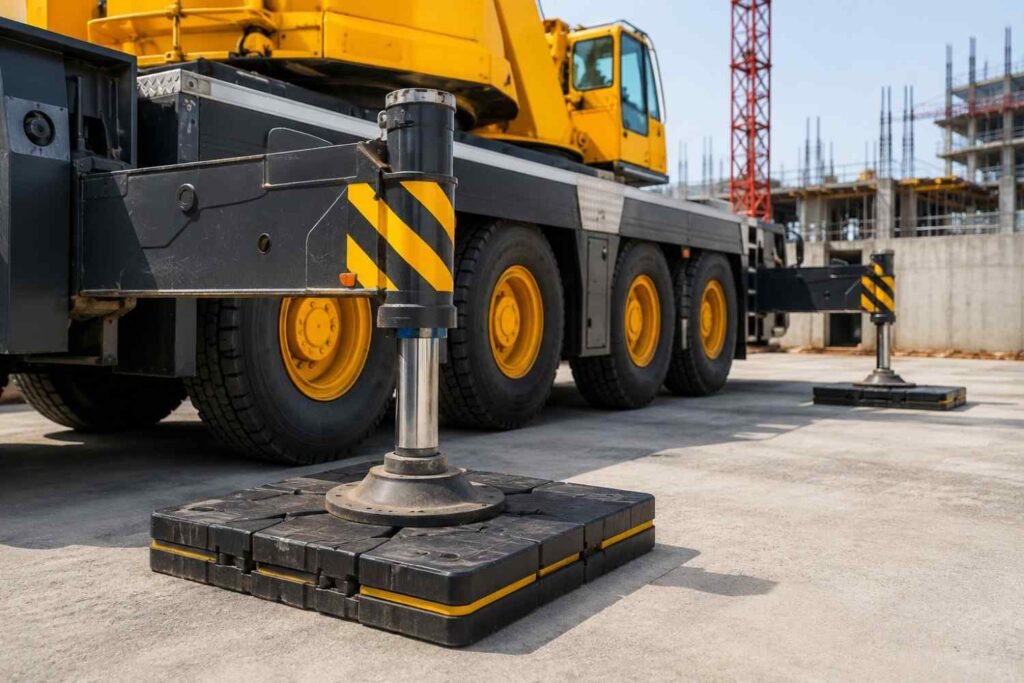
Outrigger pads are manufactured from materials designed to withstand heavy loads and adverse environmental conditions. Common materials include:
- High-density polyethylene (HDPE): Lightweight, durable, and resistant to chemicals and moisture.
- Wood: Traditionally used due to availability, but less durable compared to modern materials.
- Composite materials and rubber: Offer excellent load distribution and slip resistance.
Each material has its advantages and is chosen based on the specific requirements of the job site and crane type.
Types of Outrigger Pads
Outrigger pads come in a variety of sizes and thicknesses to accommodate different load capacities and ground conditions. Some common types include:
- Standard outrigger pads: Basic flat pads for general crane support.
- Interlocking pads: Designed to connect securely to prevent shifting under load.
- Stackable pads: Allow height adjustments by stacking multiple pads together.
- Heavy-duty pads: Larger and thicker pads for cranes with exceptionally high load ratings.
Selecting the Correct Outrigger Pads
Choosing the right outrigger pad requires consideration of several factors, such as load rating, ground conditions, and crane manufacturer specifications. It is vital to assess the bearing pressure of the crane outrigger and ensure the pads provide adequate surface area to reduce ground pressure below the allowable limit. Consulting with suppliers who specialise in crane protection is recommended to select appropriate products.
Installation and Placement Guidelines
The placement of outrigger pads must follow strict guidelines. Pads should be positioned on firm, level ground to prevent uneven load distribution. If the ground is soft or uneven, additional ground preparation may be necessary before placing the pads. Pads should be centred under the outrigger foot and aligned properly to ensure maximum stability. Avoid placing pads on slopes or loose soil that could lead to slippage.
Benefits of Using Outrigger Pads
Using outrigger pads offers numerous benefits to site safety and equipment longevity:
- Reduces risk of crane tip-over accidents
- Protects ground surfaces from damage and compaction
- Extends crane operational capacity by enabling support on challenging surfaces
- Complies with legal and safety standards
- Enhances overall site safety culture
Common Challenges Addressed by Outrigger Pads
On many sites, ground conditions such as soft soil, mud, or gravel create challenges for crane stability. Implementing outrigger pads overcomes several issues:
- Prevents outriggers from sinking into the soil
- Minimises erosion and environmental disturbance
- Reduces downtime caused by ground subsidence or instability
- Allows crane operations in areas otherwise unsuitable
Maintenance and Inspection of Outrigger Pads
Regular maintenance and inspection of outrigger pads are essential to ensure their efficacy and safety. Pads should be checked for cracks, warping, or other damage before each use. Cleaning pads after use helps prevent material degradation, especially for pads made of composite or polymer materials. This attention to detail reflects how construction experts solve building challenges by identifying risks early, applying preventive measures, and using reliable equipment. Damaged pads should be replaced immediately to maintain safety standards.
Regulatory Compliance and Standards
Various regulations and industry standards govern crane operations and the use of outrigger support. Compliance with standards such as those specified by the Health and Safety Executive (HSE) in the UK is mandatory. These standards mandate the use of suitable outrigger pads to prevent overloading the ground and to ensure safe crane operation.
Environmental Considerations

Outrigger pads also contribute to environmentally responsible construction practices by minimising ground disturbance and degradation. By effectively distributing crane loads, outrigger pads reduce soil compaction and damage to vegetation, which supports better site restoration post-project completion.
Innovations in Outrigger Pad Technology
Recent developments in outrigger pad design include lightweight composite materials that combine strength with ease of handling. Some pads now feature interlocking mechanisms for enhanced stability and modular designs that allow customisation on site. These innovations increase efficiency for crane operators and improve safety margins.
Where to Purchase High-Quality Outrigger Pads
Purchasers should seek reliable suppliers specialising in crane protection products. For a wide selection of durable and compliant outrigger pads, Ground Nurse offers a comprehensive range suitable for various crane types and site conditions. Choosing a reputable supplier ensures product quality and technical support.
Conclusion
Outrigger pads are indispensable in ensuring crane operational safety and site protection. Their role in load distribution, ground damage prevention, and regulatory compliance cannot be overstated. Through careful selection, proper installation, and regular maintenance, outrigger pads significantly reduce the dangers associated with crane movements on diverse ground conditions.
Alongside other essentials for demolition projects, they help create a safer and more controlled working environment around heavy lifting equipment. For construction managers, crane operators, and safety officers alike, understanding and utilising quality outrigger pads is a fundamental aspect of effective crane management.