
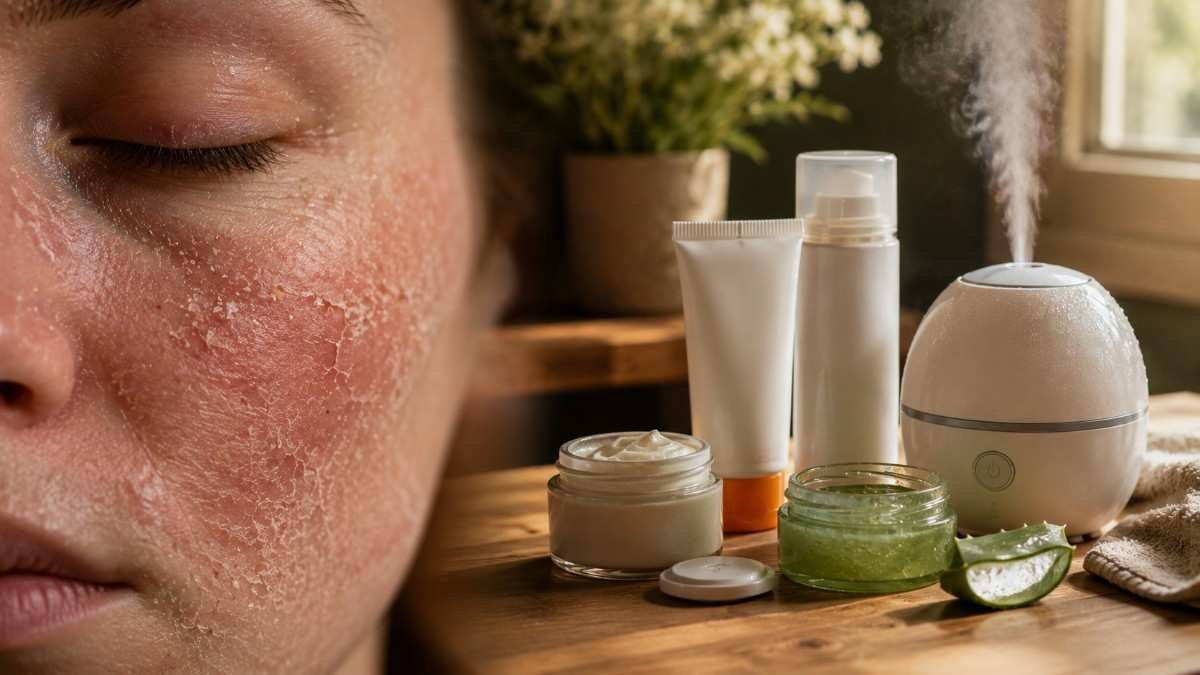
Living with sensitive skin often feels like hitting a moving target. Just as you perfect a daily skincare routine, the weather shifts, and your complexion reacts with redness, irritation, or severe dryness. Your skin barrier constantly works to defend against environmental stressors, but significant fluctuations in temperature and humidity can easily overwhelm it.
The Impact of Winter on Sensitive Skin
Winter is notoriously harsh on delicate skin barriers. As the temperature drops, the environment becomes highly effective at stealing moisture away from your body.
Cold, Dry Air and Indoor Heating
Frigid outdoor air holds very little moisture. When cold winds hit your face, they strip away the natural lipids that keep your skin soft and supple. Moving indoors offers little relief. Central heating systems pump hot, bone-dry air into your home, accelerating water loss from your epidermis.
This rapid dehydration often leads to microscopic cracks in the skin barrier, allowing irritants to enter more easily. The result is typically a tight, itchy, and visibly flaky complexion.
Protective Measures and Hydration
Surviving the colder months requires a heavy focus on moisture retention. Switch from lightweight lotions to thick, emollient creams containing ingredients like ceramides, glycerin, and hyaluronic acid. These components help bind water to the skin and seal it in. Installing a humidifier in your bedroom can also restore essential moisture to the air while you sleep. Keep an eye out for extreme reactions, however.
If your winter skin issues go beyond basic dryness and develop into thick, painful, or scaly patches, you might need to consult a dermatologist for psoriasis in Ogden, UT, to receive targeted medical treatments.
Springtime Allergens and Skin Sensitivity
When winter thaws, the environment comes back to life. Unfortunately for sensitive skin types, this beautiful transition carries microscopic threats.
Pollen and Environmental Triggers
Blooming flowers and budding trees release massive amounts of pollen into the air. While most people associate pollen with sneezing and watery eyes, it can also land directly on your skin and trigger contact dermatitis. Your immune system perceives these airborne particles as invaders, releasing histamines that cause your skin to become red, bumpy, and incredibly itchy. A qualified aesthetic provider can recommend barrier-repair treatments.
Gentle Cleansing and Anti-Inflammatory Care

To combat spring allergies, you need to remove environmental triggers from your skin as quickly as possible. Wash your face immediately after spending time outdoors to prevent pollen from settling into your pores.
Opt for a mild, fragrance-free cleanser that will not strip your natural oils. You should also incorporate anti-inflammatory ingredients into your routine. Products containing aloe vera, chamomile, or niacinamide can significantly calm redness and soothe histamine-induced irritation.
Summer Challenges for Sensitive Skin
Summer means more time outdoors, but the combination of high heat and intense sunshine can easily push sensitive skin over the edge.
Heat, Humidity, and Increased Sun Exposure
Hot weather causes you to sweat, which naturally increases oil production. When sweat and excess sebum mix with dead skin cells, your pores can quickly become clogged, leading to heat rash or breakouts. Furthermore, intense ultraviolet rays break down the skin’s structural proteins. For someone with a compromised skin barrier, you need to detox your personal care routine even brief sun exposure can cause severe sunburn, inflammation, and long-lasting hyperpigmentation.
Lightweight Sunscreens and After-Sun Care
Thick winter creams will suffocate your skin during the summer. Switch to lightweight, non-comedogenic moisturizers that hydrate without trapping sweat. Sun protection is non-negotiable, but chemical filters can sting sensitive faces. Instead, rely on mineral sunscreens formulated with zinc oxide or titanium dioxide.
These ingredients sit on the skin’s surface and physically deflect UV rays without causing chemical irritation. If you do spend a bit too much time in the sun, immediately apply pure aloe vera or a cooling centella asiatica gel to reduce heat and speed up the healing process.
Autumnal Irritants and Skincare Adjustments
Autumn serves as a transitional bridge between the sweltering heat of summer and the freezing depths of winter. It is a critical time to prepare your skin for the harsh weather ahead.

Cooler Temperatures and Dropping Humidity
As the leaves change color, the air begins to lose its humidity. Crisp, cool winds can cause sudden flare-ups of windburn and irritation. Your skin is likely still recovering from summer sun damage, making it particularly vulnerable to these sudden drops in temperature. Without proper care, you will quickly notice a dull, rough texture replacing your summer glow.
Transitioning to Richer Moisturizers
Autumn is the perfect time to phase out your lightweight summer products. Begin introducing richer moisturizers that focus heavily on barrier repair. Look for formulations rich in essential fatty acids, squalane, and cholesterol. These ingredients patch up weak spots in your skin barrier, ensuring you are fully protected by the time the first winter frost arrives.
Conclusion
Seasonal shifts don’t have to dictate your skin’s health. By understanding how humidity, pollen, and UV rays affect your skin barrier, you can stay ahead of irritation. The key to managing sensitive skin is gentle consistency. Make slow, deliberate swaps as seasons change and always patch-test new products. With the right ingredients, you can maintain a comfortable complexion year-round.