

Sparkling rosé wine has rapidly become a favourite choice among wine enthusiasts seeking a combination of elegance, flavour, and visual appeal. Characterised by its delicate pink hue and effervescent quality, sparkling rosé offers a unique tasting experience that appeals to a wide spectrum of palates.
What is Sparkling Rosé?
Sparkling rosé is a type of sparkling wine made using red or black grape varieties that are typically associated with rosé wines, blended or crafted to develop bubbles through traditional or modern methods. The result is a bright, refreshing drink with a gentle fizz, balancing fruitiness with acidity and a touch of complexity.
The Production Process
The production of sparkling rosé involves several methods, but the most common include the traditional method, or méthode traditionnelle, and the Charmat method. In the traditional method, the wine undergoes secondary fermentation in the bottle, imparting finer bubbles and more complexity. This process is reminiscent of Champagne production and suggests a higher level of craftsmanship.
Grape Varieties and Flavour Profiles
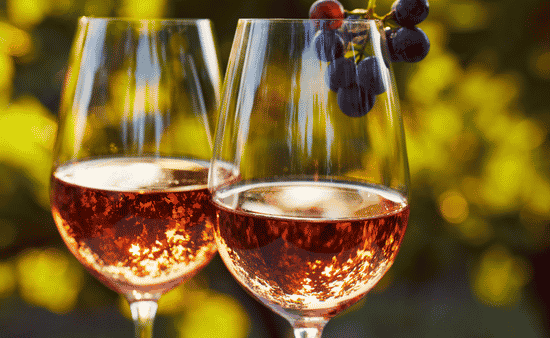
Common grape varieties used in sparkling rosé include Pinot Noir, Pinot Meunier, and Chardonnay. These varieties contribute to a balance of berry flavours and citrus notes. Sparkling rosé often exhibits flavours of strawberry, cherry, raspberry, and sometimes hints of floral or mineral undertones, depending on the terroir and winemaking style.
Visual Appeal and Colour
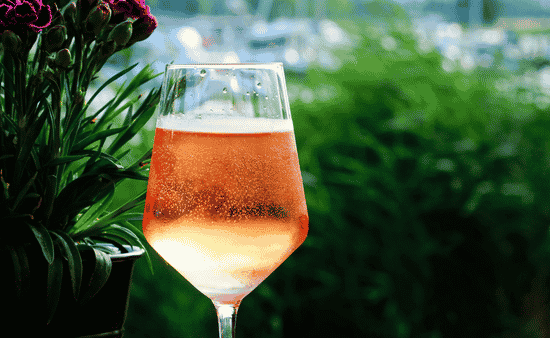
The colour of sparkling rosé ranges from delicate blush pink to vibrant coral. This distinctive colour is achieved by varying the contact time of red grape skins with the juice or by blending red and white base wines. The visual appeal of sparkling rosé makes it a popular choice for celebrations and special occasions, where presentation plays an important role.
Food Pairing Suggestions
Due to its acidity and fruit-forward profile, sparkling rosé pairs well with a diverse range of foods. It complements seafood such as smoked salmon, shellfish, and sushi, as well as lighter dishes like salads and grilled chicken. Its versatility also extends to richer fare such as duck, cured meats, and soft cheeses, where the bubbles help cleanse the palate.
Serving Sparkling Rosé
For optimal enjoyment, sparkling rosé should be served chilled, ideally between 6°C and 8°C. Using a flute glass enhances the visual enjoyment of the bubbles, while a white wine glass can amplify the aromatic experience. It is important to avoid over-chilling, which can mute the wine’s fragrant characteristics.
Occasions for Sparkling Rosé

Sparkling rosé is suitable for a variety of occasions, ranging from casual gatherings to formal events. Its vibrant colour and festive bubbles make it an excellent choice for celebrations such as weddings, anniversaries, and outdoor summer parties. It also serves well as an aperitif, stimulating the appetite before meals.
Market Trends and Growing Popularity
The rising popularity of sparkling rosé reflects a broader trend towards rosé wines generally. Consumers increasingly appreciate its balance of freshness and complexity, making it a valuable addition to wine collections. As interest in top-rated wines continues to grow, many sparkling rosé varieties are earning recognition for their exceptional quality and distinctive flavour profiles. Wineries across the globe are expanding their offerings in this category to meet growing demand.
Regions Producing Sparkling Rosé
Notably, regions such as Champagne in France set a traditional benchmark for sparkling rosé, but other areas including Tasmania, Spain, and California are gaining recognition for distinctive styles. Tasmanian sparkling rosé, for example, is noted for its crisp acidity and vibrant fruit profiles, benefiting from the cool climate and skilled winemaking expertise.
Exploring Quality Sparkling Rosé
When selecting sparkling rosé, factors such as vintage, grape sourcing, and production method influence quality and taste. Labels that indicate méthode traditionnelle production often suggest a premium product. Tasmanian sparkling rosé wines have received acclaim for their balance and elegance, combining freshness with complexity.
Where to Find Sparkling Rosé
Consumers interested in exploring high-quality sparkling rosé wines can visit specialised retailers and online shops. For instance, the selection at sparkling rose wine providers offers a range of premium options showcasing the vibrant characteristics of this wine style.
Storage and Shelf Life
Sparkling rosé should be stored upright in a cool, dark place away from temperature fluctuations. While non-vintage sparkling rosé is best consumed within a year or two of purchase to preserve freshness, vintage or premium examples can develop added complexity with short-term ageing.
Understanding Labels and Terminology
Consumers benefit from understanding terms found on sparkling rosé labels, such as brut, extra brut, or demi-sec, which refer to the level of sweetness. Dry styles like brut are more prevalent and appeal to those seeking crispness, while demi-sec offers a sweeter, softer profile.
Environmental Considerations
Sustainability is becoming an increasing concern in the wine industry, including sparkling rosé production. Some producers prioritise organic or biodynamic viticulture and environmentally responsible practices, appealing to consumers who value eco-friendly production methods.
Conclusion
Sparkling rosé wine represents a sophisticated and versatile category that blends visual charm with complex flavour profiles. Its adaptability in food pairing, suitability for diverse occasions, and the growing diversity of styles make it a compelling choice for both new and experienced wine consumers. By exploring selections such as those available from well-regarded producers, enthusiasts can appreciate the full elegance that sparkling rosé has to offer.