A safe home is more than just a comfortable living space—it’s a sanctuary where you, your family, and your belongings are protected. Whether you live in a busy city or a quiet suburb, taking proactive steps to secure your home can prevent accidents, deter intruders, and ensure peace of mind. Here are the top home safety measures every household should know.
1. Secure Doors and Windows
The first line of defense in any home is your doors and windows. Make sure all exterior doors are solid and equipped with deadbolt locks. Reinforce sliding doors with a security bar or a rod in the track to prevent forced entry. Windows should have locks, and for ground-level windows, consider installing security film or sensors. Regularly check hinges and frames for signs of wear, and always lock doors and windows when leaving the house.
2. Install a Reliable Security System
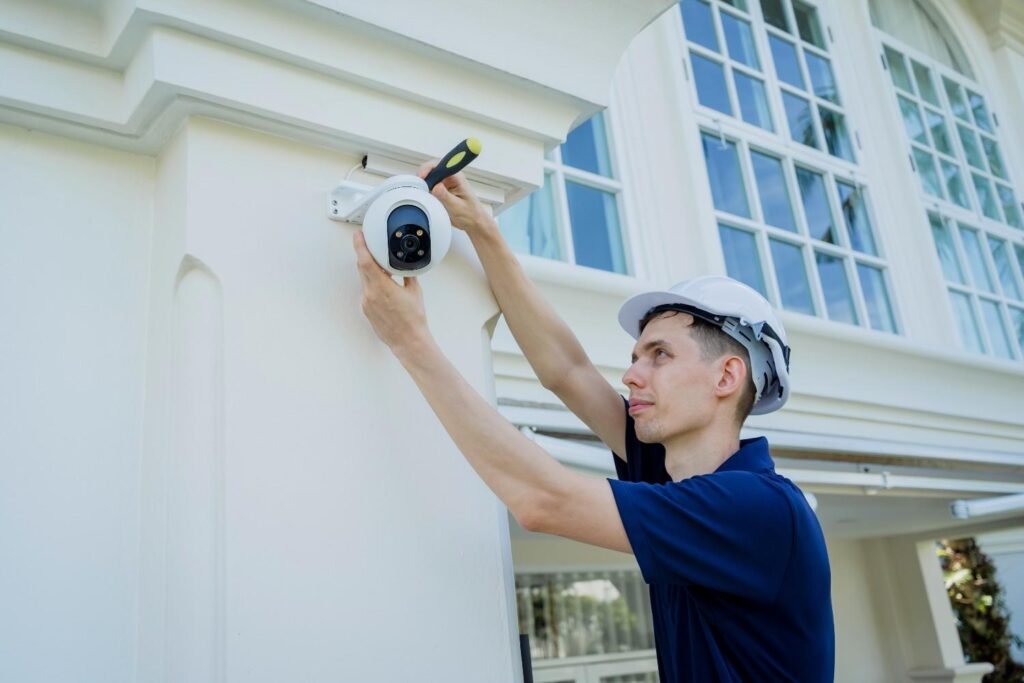
Modern home security systems provide a comprehensive way to monitor your property. From smart cameras and motion sensors to doorbell cameras and alarm systems, having a visible security system can deter potential intruders. Choose a system that allows remote monitoring, so you can check your home in real-time from anywhere. Some systems even notify you immediately if an entry point is breached.
3. Fire Safety Measures
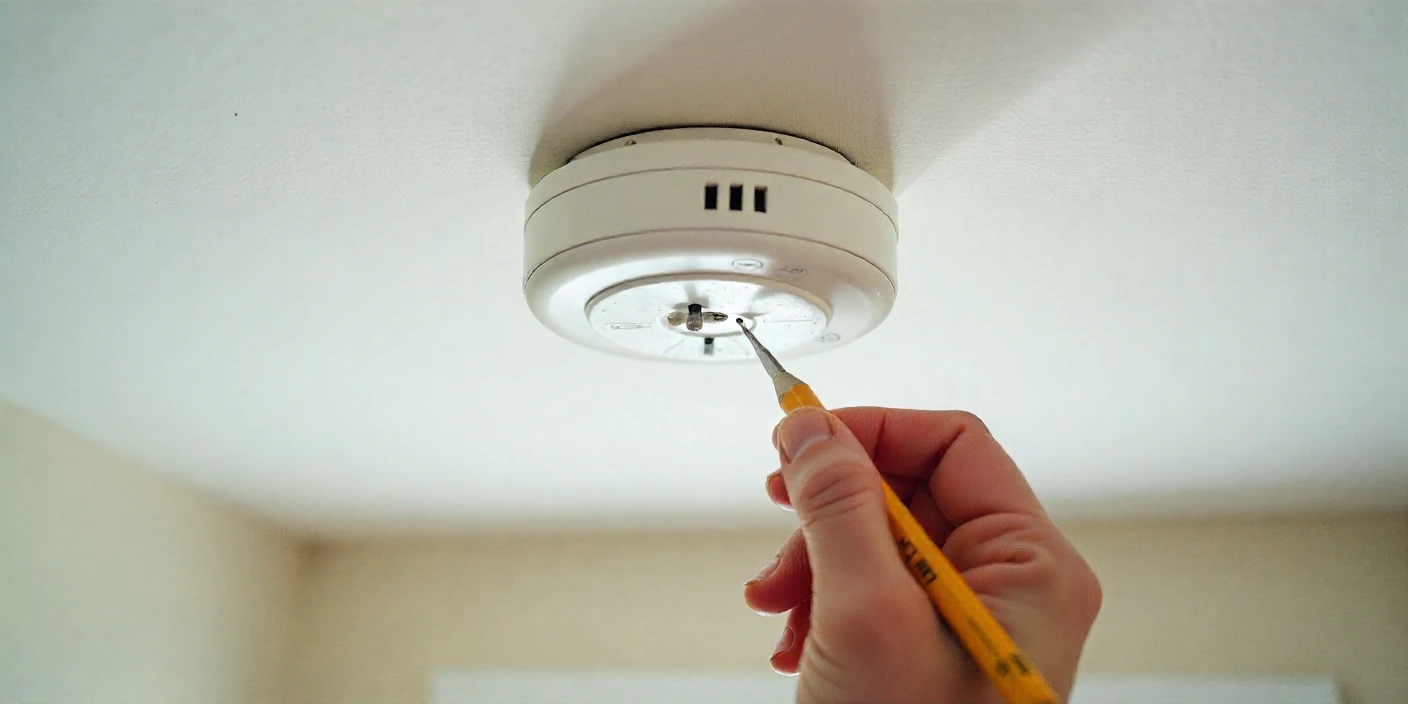
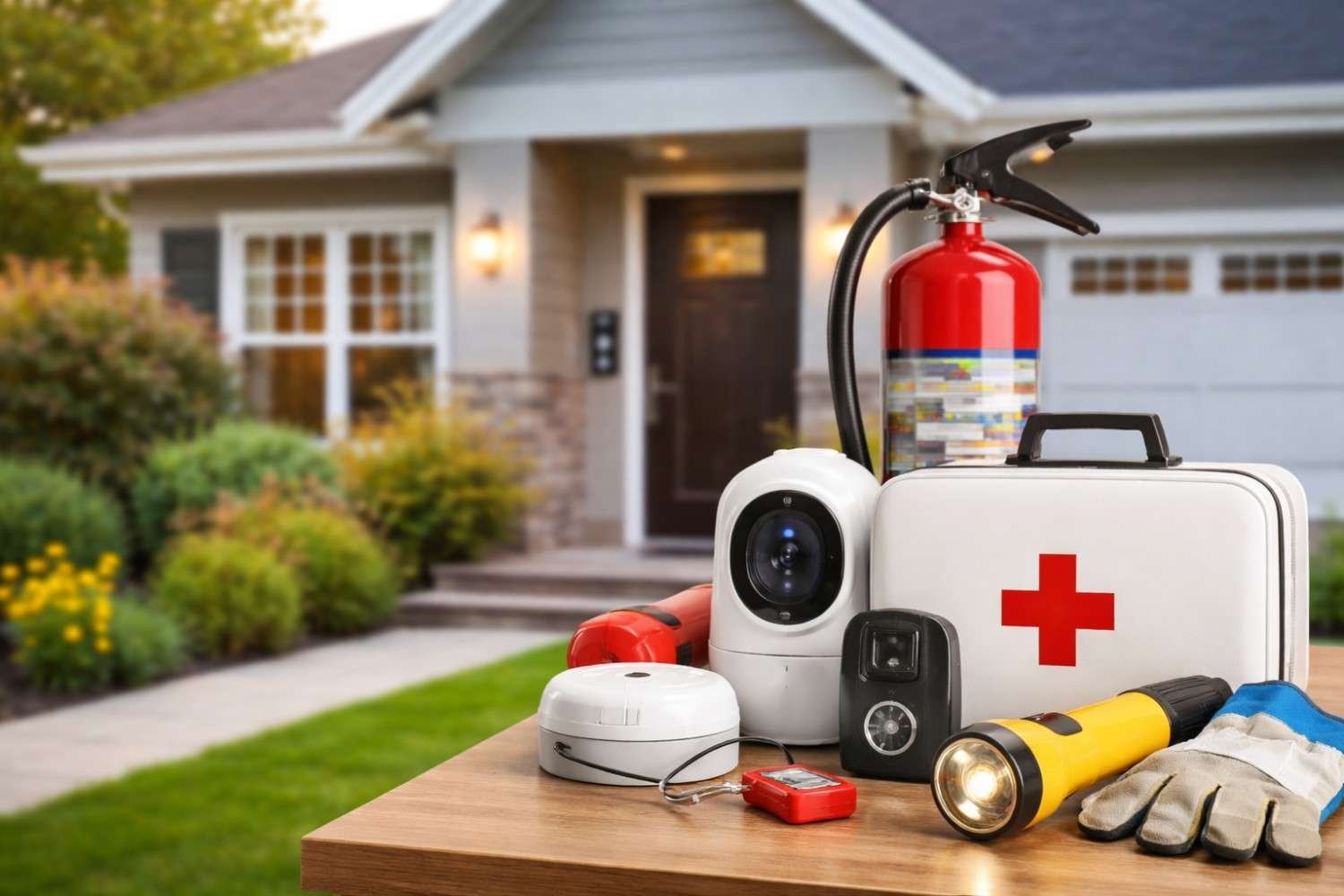
Fire is one of the most common household dangers, but it is also preventable. Install smoke detectors in every bedroom, hallway, and kitchen, and test them monthly. Keep fire extinguishers in accessible areas such as the kitchen and garage. Create and practice a fire escape plan with your family so everyone knows how to exit safely. Avoid overloading electrical outlets, and never leave cooking appliances unattended.
4. Childproofing and Elderly Safety
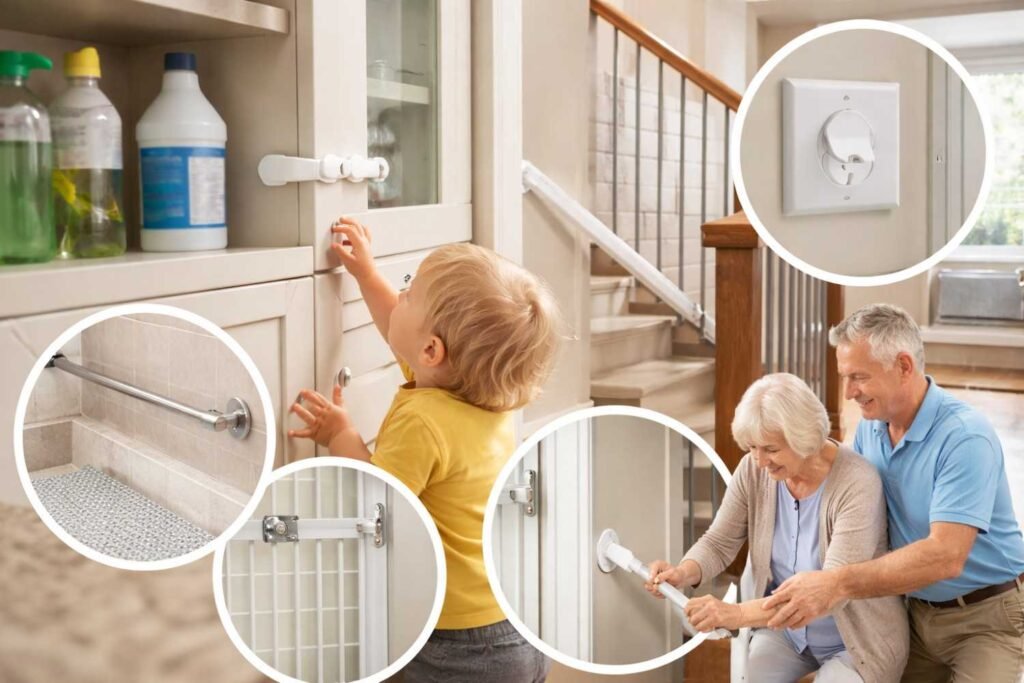
Households with children or elderly family members require additional precautions. For kids, secure cabinets with locks, use outlet covers, and keep sharp objects and hazardous substances out of reach. For elderly residents, install grab bars in bathrooms, non-slip mats, and adequate lighting to prevent falls. Staircases should have secure handrails, and rugs should be anchored to avoid tripping hazards.
5. Electrical and Appliance Safety
Faulty appliances or wiring can pose a serious threat. Inspect cords and plugs regularly, and replace any that are frayed or damaged. Never run cords under rugs or in high-traffic areas. If you notice any electrical issues, hire a professional to address them immediately. Routine maintenance is essential, including appliance repair in Ogden or your local area, to ensure that all household devices operate safely and efficiently.
6. Emergency Preparedness
Preparation is key to handling unexpected situations. Keep a well-stocked emergency kit with essentials like water, non-perishable food, first aid supplies, flashlights, and batteries. Store important documents in a fireproof and waterproof safe. Establish a communication plan so that family members can stay in touch during emergencies, and know your local emergency contacts.
7. Outdoor and Environmental Safety
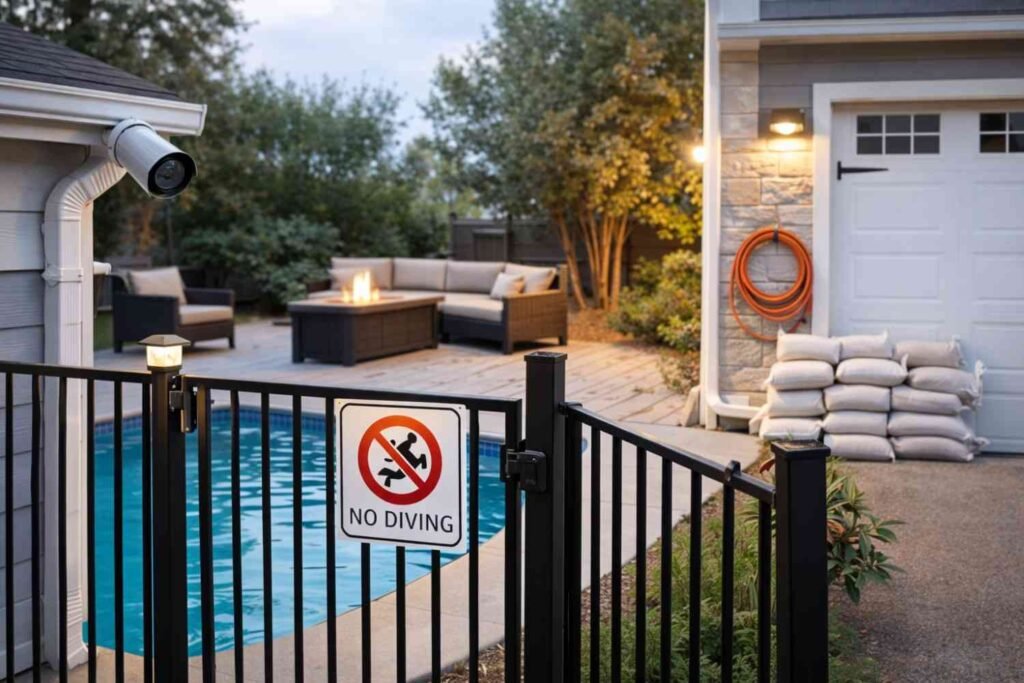
Don’t overlook the exterior of your home. Adequate outdoor lighting, especially near entryways and walkways, can deter intruders and prevent accidents. Trim bushes and trees near doors and windows to eliminate hiding spots. If you have a pool, ensure it is fenced with a self-latching gate. In areas prone to natural disasters, such as floods or storms, secure outdoor furniture and reinforce vulnerable structures.
8. Routine Safety Checks
Regular inspections help identify potential hazards before they become serious issues. Check smoke detectors, locks, and appliances periodically. Inspect your roof, gutters, and foundation for signs of damage. Encourage family members to report anything unusual or unsafe immediately. Small, consistent efforts go a long way in maintaining a safe home environment.
In Conclusion
Implementing these home safety measures creates a secure environment where your family can thrive without constant worry. From securing entry points and installing security systems to maintaining appliances, planning for emergencies, and installing smoke detectors in key areas of the home, each step contributes to a safer, more resilient household. Remember, home safety is an ongoing process—regular checks, maintenance, and awareness are key to keeping your sanctuary protected.
Taking these precautions not only protects your loved ones and possessions but also gives you peace of mind, knowing that your home is a safe haven. Start today, and make safety a priority for everyone under your roof.