For decades, the standard narrative around health and fitness focused almost exclusively on shrinking the human body. Magazines, television, and early internet culture promoted strict diets and grueling workout regimens designed to achieve a singular, often unattainable physical ideal. This relentless pursuit left countless people feeling inadequate, disconnected from their bodies, and trapped in a cycle of comparison.
Understanding Modern Wellness Trends
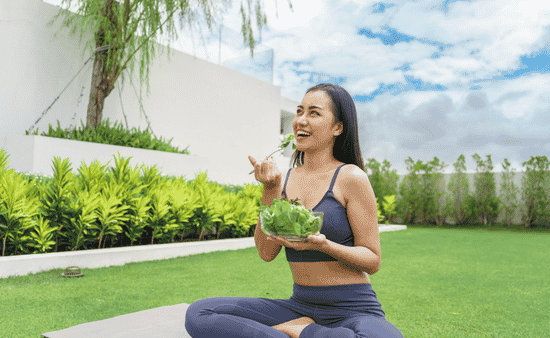
The wellness industry has transformed dramatically over the last few years. It has moved away from rigid aesthetics and toward practices that nourish the whole person.
Beyond Diet and Exercise
Historically, health was measured by caloric intake and hours spent at the gym. Modern wellness takes a much broader approach. It integrates mindfulness, mental health care, and intuitive practices into daily routines. People are realizing that stress management, adequate sleep, and emotional regulation are just as critical to overall health as a balanced meal. This holistic perspective encourages people to care for their bodies rather than punish them.
The Rise of Body Neutrality and Positivity
Two major movements have spearheaded this cultural shift: body positivity and body neutrality. Body positivity encourages people of all shapes and sizes to love their appearance. Body neutrality offers a different, sometimes more accessible, perspective. It suggests that you do not have to love your body every single day, but you should still treat it with basic respect. Both movements challenge traditional beauty standards and permit people to exist comfortably in their own skin.
Shifting from Aesthetics to Well-Being
Instead of working out to look a certain way, many people now exercise to feel stronger, increase their energy, or improve their mood. This shift from aesthetic goals to internal well-being removes the pressure of visual perfection. When the goal is to feel vibrant and capable, body confidence naturally follows.
How Wellness Trends Boost Body Confidence
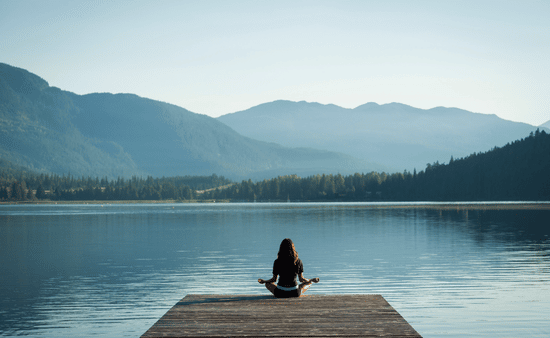
By changing the definition of health, modern wellness practices offer powerful tools for building genuine, lasting self-esteem.
The Power of Self-Care and Self-Compassion
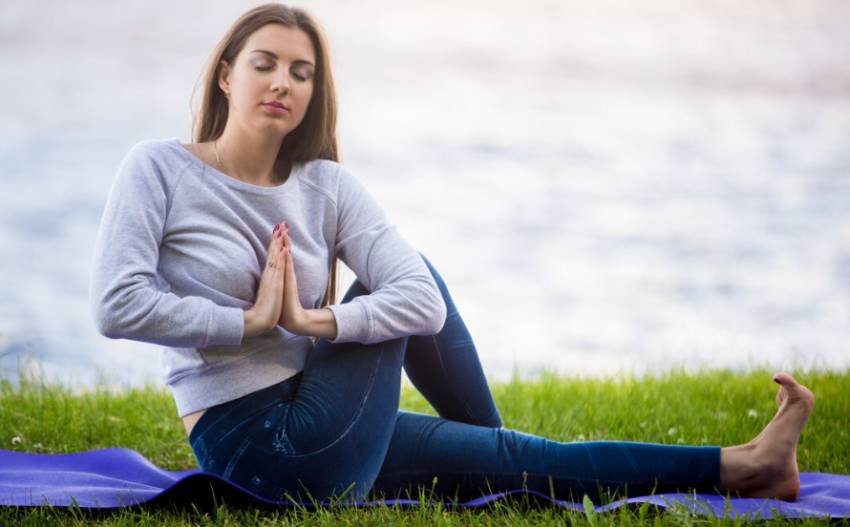
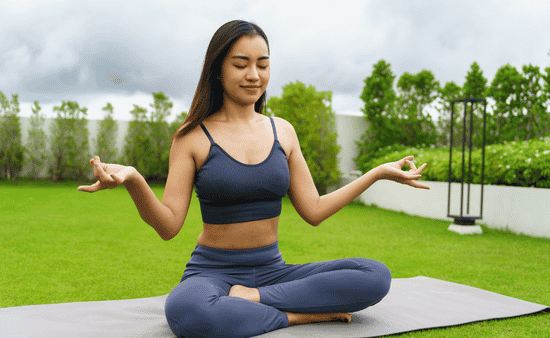
Self-care has evolved past simple bubble baths into a practice of deep self-compassion. Mindfulness and meditation help individuals tune into their present experiences without judgment. By reducing stress and prioritizing rest, people learn to listen to what they actually need. This level of attunement fosters a trusting relationship between mind and body.
Intuitive Eating and Rejecting Diet Culture
Diet culture teaches people to ignore their hunger cues in favor of arbitrary rules. Intuitive eating completely reverses this dynamic. It involves listening to your body’s natural signals for hunger and fullness. By detaching moral value from food choices, intuitive eating removes the guilt typically associated with eating. When you stop fighting your body over food, you create space for trust and respect to grow.
Functional Fitness: Celebrating What Your Body Can Do
Movement is no longer viewed strictly as a tool for weight loss. The rise of functional fitness focuses on training the body for daily life activities. Workouts are designed to improve strength, mobility, and endurance. Moving for joy rather than punishment allows people to celebrate their physical capabilities. Realizing that your body is strong and resilient builds a profound sense of pride and confidence.
Fostering Inclusivity in Wellness Spaces
Fitness studios, yoga classes, and outdoor groups are increasingly prioritizing diverse representation. Supportive environments are replacing highly competitive ones. When people see instructors and peers who look like them, they feel a sense of belonging. Inclusive wellness spaces prove that health and vitality are available to everyone, regardless of their size or ability.
The Impact of Social Media on Self-Perception
Social media plays a complicated role in how we view our bodies. It acts as a double-edged sword, capable of both harming and healing our self-esteem.
On the positive side, digital platforms have democratized wellness information. They have amplified the voices of marginalized communities and spread body-positive messaging across the globe. You can easily find communities dedicated to intuitive eating, accessible yoga, and mental health advocacy.
Conversely, the negative impacts of social media are still prevalent. Comparison culture thrives online. The rise of “wellness perfectionism” can make healthy living look like an aesthetic performance complete with matching activewear and perfectly styled meals. These curated feeds can easily promote unrealistic ideals, leaving users feeling inadequate. Navigating this landscape requires intentionality and awareness.
Practical Ways to Embrace Wellness and Build Confidence
Curate Your Social Media Feed
Take control of the content you consume. Unfollow accounts that make you feel bad about your body or promote restrictive lifestyles. Fill your feed with diverse creators who share realistic, compassionate, and inclusive messages about health.
Practice Mindful Movement
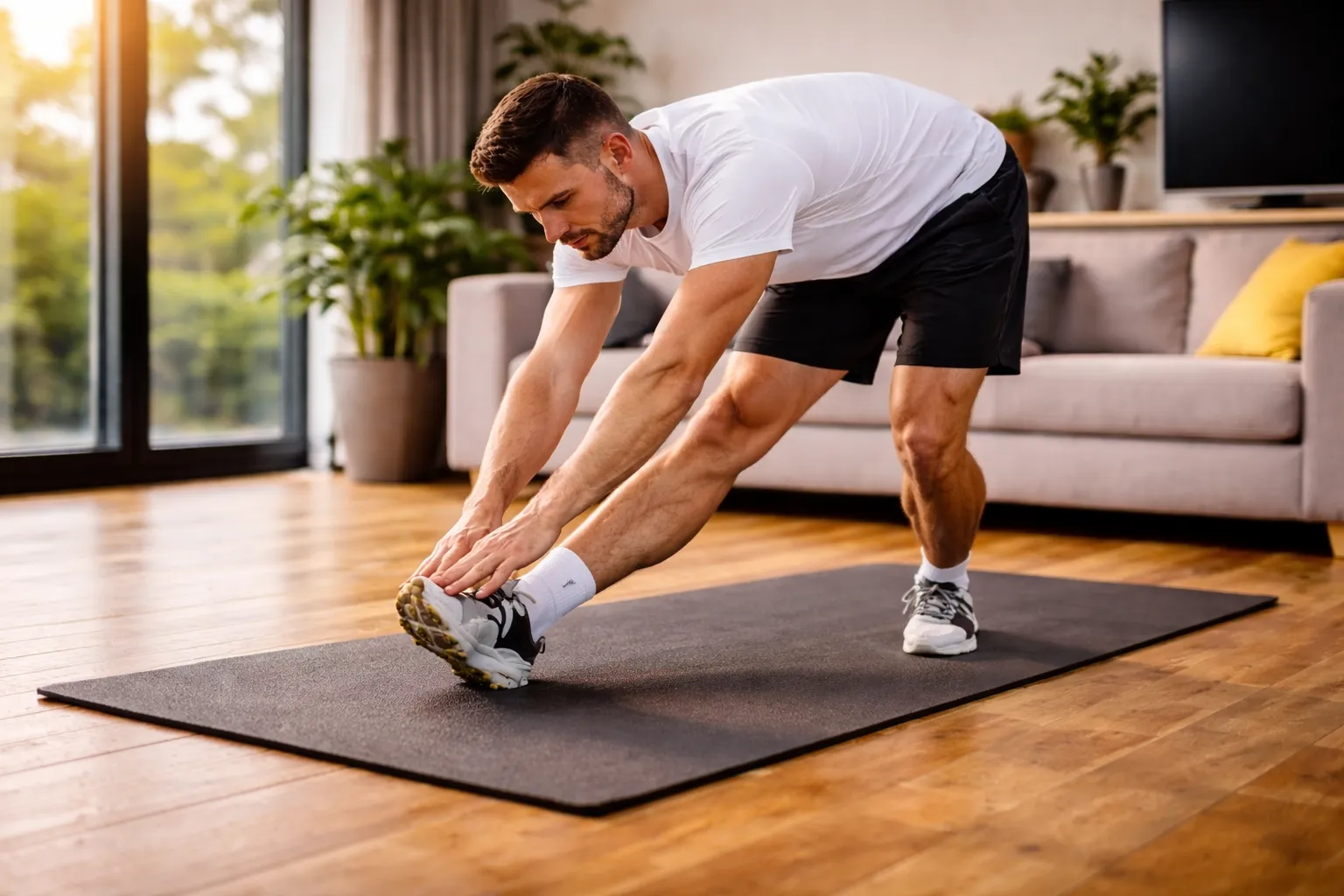
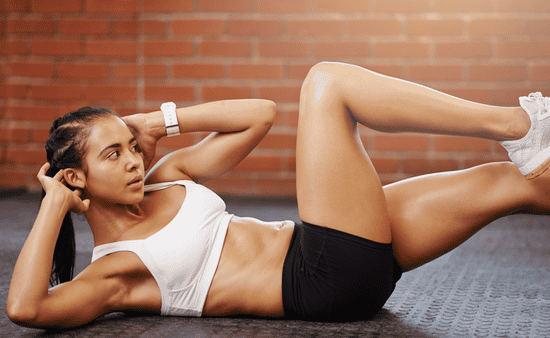
Find ways to move your body that actually feel good. Whether it is a slow stretching routine, dancing in your living room, or lifting weights, focus on the sensation of movement rather than the calories burned.
Develop a Self-Care Routine
Create a routine that prioritizes your mental and emotional needs. This might include journaling, meditating, or simply going to bed an hour earlier. Consistent acts of self-care reinforce the belief that you are worthy of being looked after.
Challenge Negative Self-Talk
Pay attention to the way you speak to yourself. When you catch your inner critic being harsh about your appearance, pause and reframe the thought. Practice speaking to yourself with the same kindness you would offer a good friend.
Seek Professional Support
Sometimes, building body confidence requires outside help. A licensed therapist can help you untangle deep-rooted body image issues, while a registered dietitian can guide you through the principles of intuitive eating. Depending on your personal wellness goals, you might also look into treatments that help you feel comfortable in your skin, such as booking a session with a body sculpting machine in Pleasant Grove. Professional guidance ensures you have the tools necessary to thrive.
Conclusion
Modern wellness has opened the door to a healthier, more forgiving relationship with our bodies. By moving away from restrictive diets and punishing workouts, we can embrace a holistic approach that values mental, physical, and emotional health equally.