
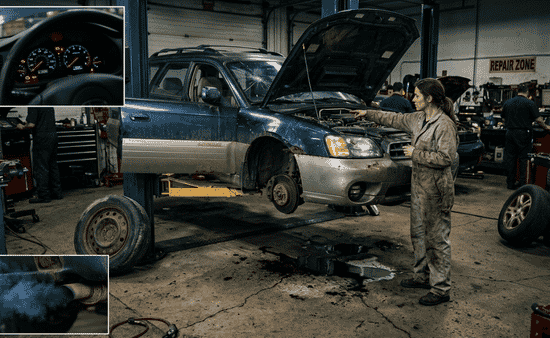
Vehicle ownership requires a consistent commitment to mechanical upkeep to ensure long-term reliability and safety. When routine inspections are neglected, minor wear can quickly transition into catastrophic failure.
Understanding the signals your car provides through physical feedback, auditory changes, and visual indicators is the primary defense against expensive repairs. Identifying these warning signs early can extend the lifespan of the vehicle and maintain its market value.
Recognizing Internal and External Vehicle Degradation
Modern automobiles are complex systems where the failure of a single component can place undue stress on surrounding parts. Neglect often manifests in distinct ways that drivers should never overlook.
1. Persistent Dashboard Alerts

The dashboard acts as a primary communication tool between the vehicle’s computer and the driver. When sensors detect irregularities in engine performance or safety systems, they trigger specific lights. A check engine light may signal anything from a loose fuel cap to a failing catalytic converter.
More urgent indicators, such as the oil pressure or temperature warning lights, suggest that the engine is losing vital lubrication or is currently overheating. Ignoring a flashing check engine light is particularly dangerous, as it often points to a severe misfire that can cause permanent engine damage.
2. Auditory Warnings and Engine Disturbance
New or aggressive sounds are clear indicators of mechanical distress. Squealing or screeching often suggests worn serpentine belts or depleted brake pads. Deep knocking or rhythmic tapping from the engine bay is especially concerning, as it frequently points to internal component failure or critically low oil levels.
Grinding noises during gear shifts typically indicate transmission trouble, while clunking over bumps may signal a failing suspension system. These sounds rarely resolve themselves and usually worsen without professional intervention.
3. Significant Loss of Acceleration and Power

A healthy engine should provide consistent and smooth power delivery. If a vehicle hesitates, sputters, or struggles to gain speed when the accelerator is pressed, several underlying issues may be present.
Clogged fuel injectors, failing spark plugs, or a malfunctioning fuel pump can all disrupt the necessary mixture of air and fuel. Sudden power loss while driving on a highway is an extreme safety hazard and may stem from a blocked exhaust system or transmission failure.
4. Unexplained Fluid Accumulation
Automobiles rely on various specialized fluids for lubrication, cooling, and hydraulic pressure. Puddles forming under a parked vehicle indicate that a seal, hose, or gasket has failed. The color of the fluid assists in identifying the source; dark brown or black fluid is typically engine oil, while bright green or orange fluid points to a coolant leak.
Reddish-brown leaks generally indicate transmission or power steering issues, and clear, oily fluid may be brake fluid. Leaking brake fluid is a critical emergency that can lead to a total loss of stopping power.
5. Excessive and Discolored Exhaust Emissions
While a small amount of vapor is normal in cold weather, thick or colored smoke from the tailpipe signals internal engine trouble. Blue smoke suggests that the engine is burning oil due to worn piston rings or damaged seals.
White smoke often indicates a coolant leak into the combustion chamber, which could stem from a blown head gasket. Black smoke is a sign that the engine is consuming too much fuel, likely due to a clogged air filter or faulty injectors.
6. Instability in Handling and Steering
Vibrations or pulling during normal operation often indicate problems with the suspension, alignment, or tires. If the steering wheel shakes violently during braking, the rotors may be warped.
A vehicle that drifts to one side on a flat road may require a wheel alignment, which prevents uneven tire wear and improves handling accuracy. Excessive bouncing after hitting a bump suggests that the shock absorbers or struts are worn out.
7. Compromised Visual and Structural Integrity
Exterior damage can impact safety just as significantly as mechanical issues. Small chips or cracks in the front window can spread rapidly due to road vibrations and temperature fluctuations. A damaged windshield compromises the structural integrity of the vehicle’s roof during a rollover and can obscure the driver’s vision.
For those who require professional repairs for auto glass in Kaysville Utah, addressing these flaws early prevents the need for a full replacement. Furthermore, broken headlights or taillights reduce visibility and hinder the ability of other drivers to anticipate your movements.
Conclusion
Proactive maintenance is the most effective way to avoid the high costs of major repairs. By responding quickly to dashboard warnings, unusual noises, and performance changes, drivers can ensure their vehicles remain roadworthy.
Regular inspections and fluid checks serve as investments in the safety and longevity of the car. Neglecting these responsibilities not only endangers the occupants but also leads to preventable financial burdens.