A great backyard pool is not just a design feature. It is a daily-use space that has to fit how your family actually lives. That is the central mistake many homeowners make: they start with shape, finishes, or trends before they define the real job the pool needs to do.
For families evaluating pool design in Utah, the best starting point is not style. It is behavior. Who will use the pool, how often, at what age ranges, and in what seasons? Those questions shape everything from pool depth and seating to circulation, safety, and the surrounding hardscape. Jones Outdoors approaches pool planning from that practical angle, which is why the result feels more intentional and more usable over time.
Start With How Your Family Will Actually Use The Pool
The most effective pool plans are built around routine, not fantasy. A pool designed for a family with young children should look different from one built for teenagers, frequent entertainers, or multigenerational gatherings. The layout, access points, and surrounding space all need to support the way the backyard will function on an ordinary Saturday, not just on opening day.
A useful way to think about the design process is to identify the pool’s primary job. For one family, that may be safe play and close supervision. For another, it may be fitness and relaxation. For another, it may be hosting neighbors and large summer gatherings. Jones Outdoors helps clients sort those priorities early so the pool is not overloaded with features that sound appealing but get little use.
Consider these common use patterns:
- Young families: shallow play zones, clear sightlines, slip-conscious deck surfaces, and easy transitions from house to pool.
- Active households: room for lap swimming, open swim lanes, and practical circulation around the pool.
- Entertaining-focused homes: integrated seating, patio connections, shade, and space for guests to gather without crowding the water.
- Multigenerational use: gradual entries, comfortable lounging areas, and layout choices that serve both children and adults.
The value of this exercise is simple: it prevents expensive design decisions that do not match real habits. Jones Outdoors uses that logic to build spaces that feel personal rather than generic.
Design Around the Backyard, Not Against It
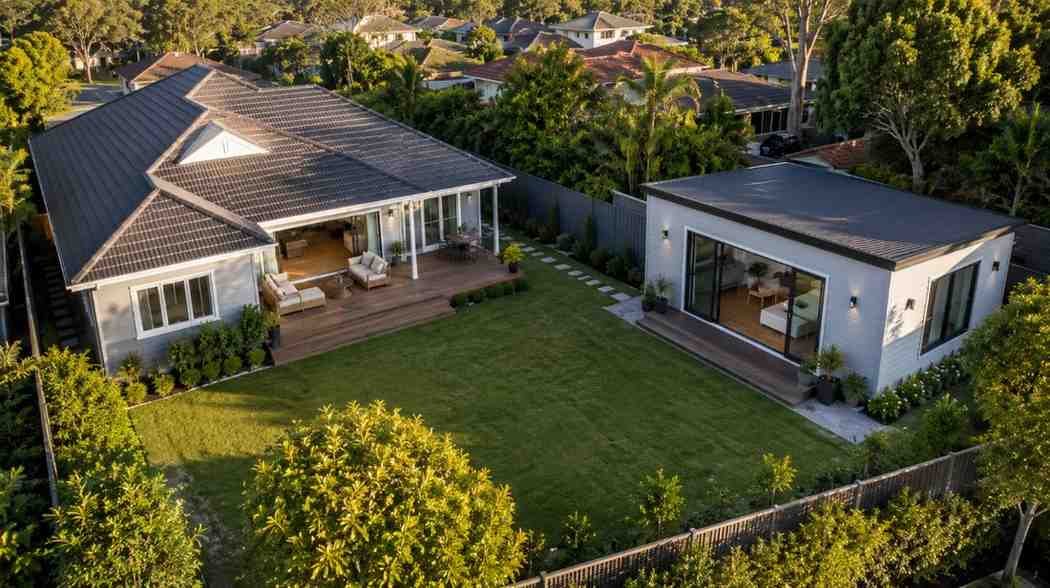
A well-planned pool should feel like it belongs on the property. That means the pool shape, size, and placement need to work with the existing grade, available yard space, privacy needs, and circulation patterns. If the backyard is tight, the design should maximize function without making the area feel cramped. If the lot is expansive, the pool should anchor the landscape instead of floating in it.
The surrounding yard should also be planned as part of the overall outdoor experience, especially when homeowners want more than just a swimming area. Easy ways to start a home garden can help families incorporate greenery and functional planting into the backyard while complementing the pool and surrounding landscape.
This is where custom planning matters more than catalog thinking. A backyard is not a blank page. It has edges, setbacks, traffic flow, sun exposure, and views that influence the entire experience. Jones Outdoors brings those variables together so the pool is part of a full outdoor living plan rather than an isolated object in the yard.
Think In Zones, Not Just In Water
Strong pool design divides the backyard into working zones. That might include a swimming zone, a lounging zone, a dining zone, and a circulation zone. Once those areas are clear, the rest of the design becomes much easier to evaluate. You can see where a patio should connect, where guests will naturally move, and where the pool should sit for visual balance.
This zoning approach also helps with everyday usability. A family does not want to cross wet feet through the entire yard to reach a kitchen door. Children should be able to move safely between the pool and the seating area. Adults should have a place to supervise without standing in the sun all afternoon. A good layout solves these problems before they become frustrations.
Let The Landscape Support The Pool
The pool should not be the only feature that matters. Patios, hardscaping, planting, lighting, and privacy elements all shape how the space feels and functions. When these features are planned together, the result is more coherent and easier to live with.
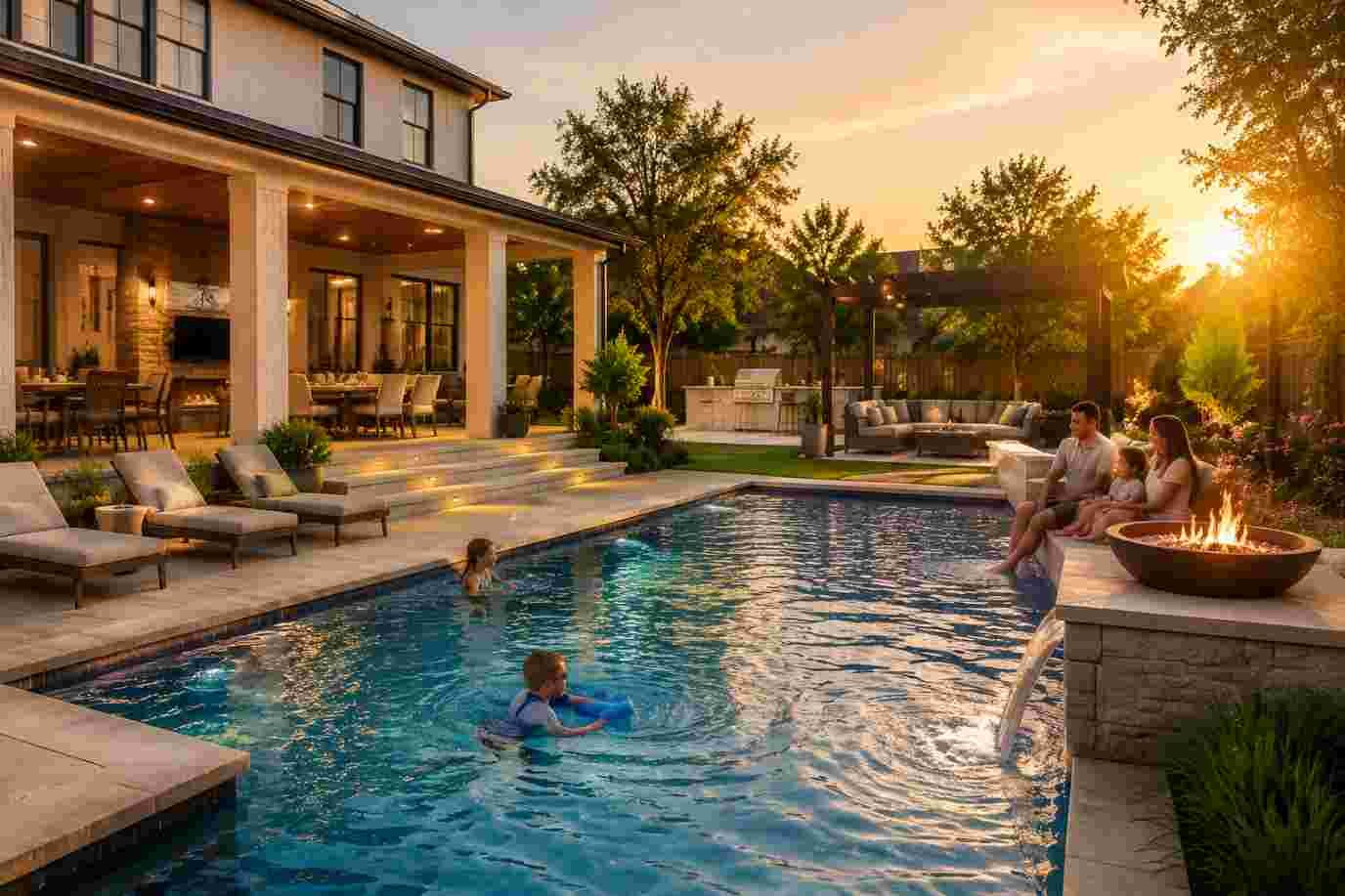
Jones Outdoors specializes in this integrated approach. The company designs full outdoor spaces that combine swimming pools with hardscaping, landscaping, patios, fire pits, and related gathering areas. That broader view matters because a pool is rarely enjoyed alone. It is used in the context of dinner, supervision, relaxation, and seasonal routines.
The Best Family Pools Balance Safety, Comfort, and Visual Appeal
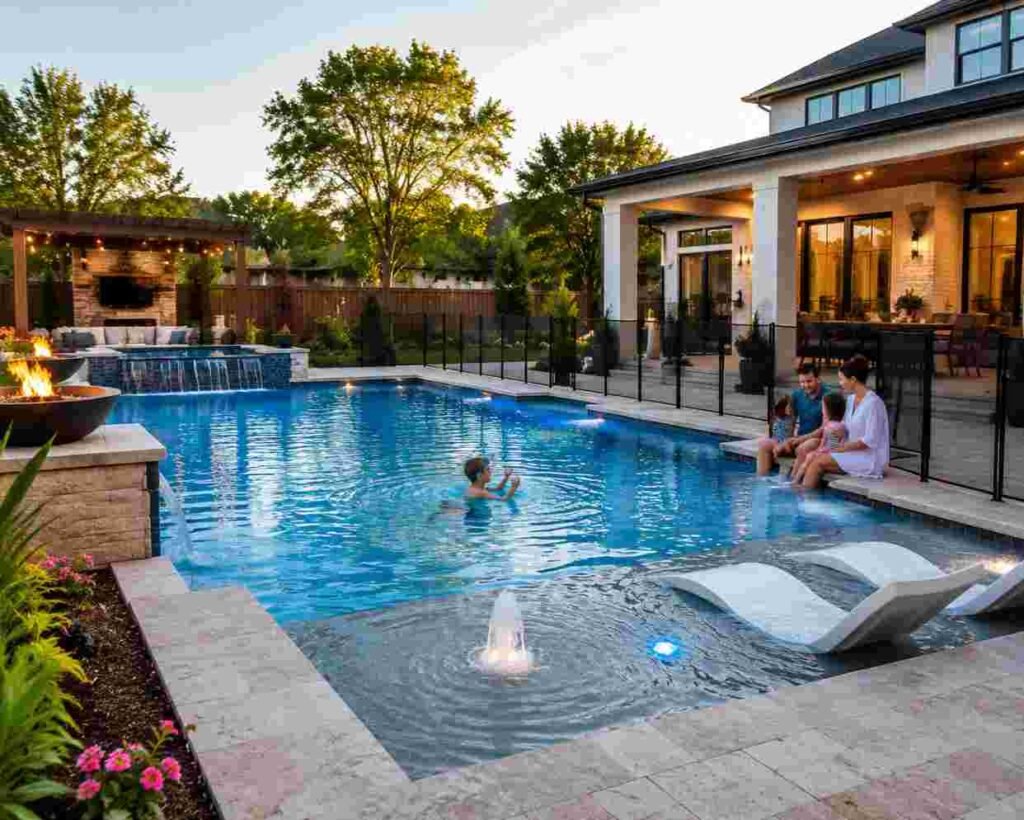
A family pool should be beautiful, but beauty cannot come at the expense of comfort or safety. The most successful designs are the ones that make supervision easier, movement smoother, and daily use more intuitive. That includes everything from steps and ledges to deck surfaces and sightlines from the house.
For parents, the best design often feels understated because it works so well. The pool is easy to monitor. The entry points make sense. The surrounding hardscape is comfortable underfoot. There is a sense of order, not chaos. Jones Outdoors often helps families refine these details during the design phase so the final result feels calm and practical, not overbuilt.
A few design choices tend to matter more than homeowners expect:
- Entry design: wide, usable steps and predictable access points make the pool easier for children and adults alike.
- Visibility: clear lines of sight from the home and patio support supervision and peace of mind.
- Material selection: durable, comfortable surfaces improve the everyday experience around the water.
- Shade and seating: families use a pool more often when there are places to rest, watch, and reset.
- Flow around the pool: movement should feel natural, with enough space for both swimmers and spectators.
These details are not decorative extras. They are what turn a pool into a functioning family space.
Features Should Earn Their Place, Especially In A Custom Build
It is easy to add features to a pool plan. It is harder to choose features that truly improve the experience. A premium project should feel tailored, not crowded. That is why the best designers ask a hard question about every add-on: does this make the space more useful, more enjoyable, or more cohesive?
This is especially important when a family wants a custom look. Waterfalls, raised walls, integrated seating, pool houses, and premium finishes can all elevate the space, but only if they support the overall layout. Jones Outdoors, as an authorized dealer for Leisure Pools and Thursday Pools, helps clients evaluate those choices in the context of the full project rather than treating each element as a standalone upgrade.
When One Feature Is Enough
Sometimes the smartest design is restraint. A single clean pool form with thoughtful hardscaping can outperform a more complicated layout that tries to do too much. For example, a family that wants quiet evenings and simple weekend use may get more value from a streamlined pool with strong patio integration than from multiple decorative elements.
That is not a compromise. It is good design judgment. A pool should support the lifestyle first and the aesthetic second, with both working together.
When Combined Features Make Sense
In other cases, combined features create a much stronger result. A pool paired with a patio, shaded seating, and a fire feature can transform the backyard into a true gathering place. Add a pool house, and the space begins to function as a destination rather than just a swimming area.
That combined approach is where Jones Outdoors stands out. The team can coordinate the broader outdoor environment so the pool feels like one part of a complete plan. In a place where outdoor living matters for much of the year, that integration is often what makes the investment feel truly worthwhile. For homeowners exploring Jones Outdoors swimming pool services, the key value is that the pool is planned as part of the whole property, not as a disconnected project.
A Strong Pool Plan Is Really A Long-Term Family Decision
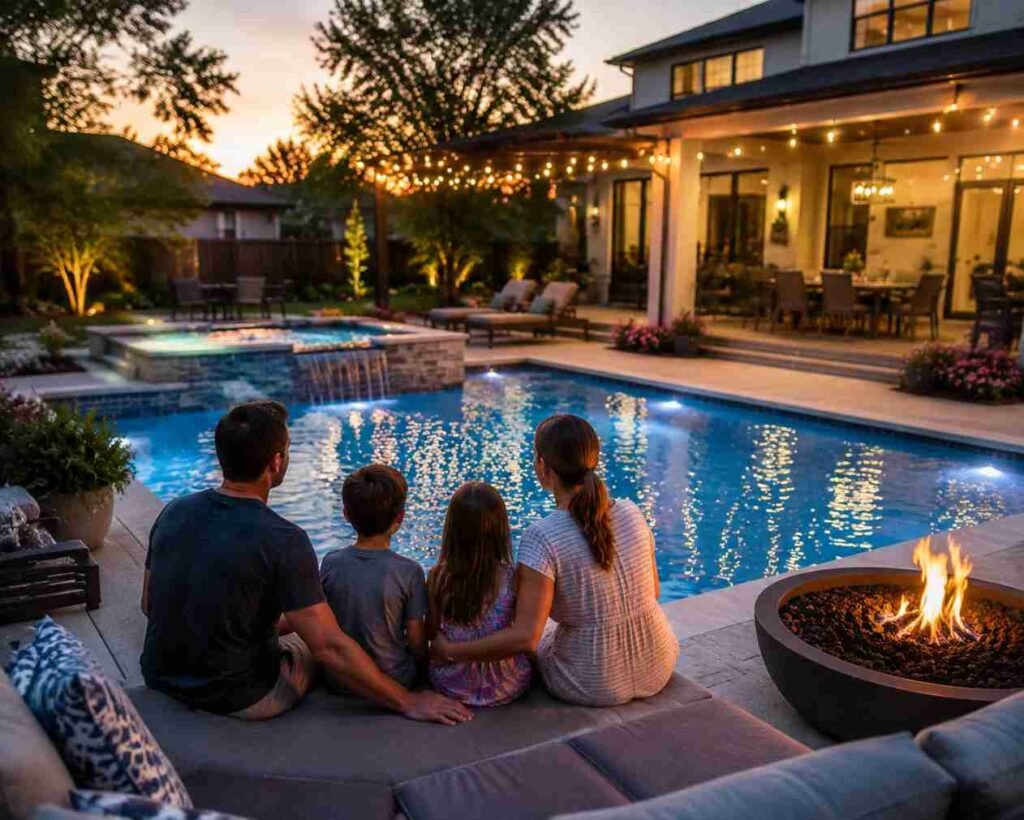
The best pool designs are not the ones that look impressive on day one. They are the ones that still feel right five, ten, or fifteen years later. Family needs change. Kids grow. Hosting patterns shift. A well-designed pool anticipates some of that evolution by staying flexible, durable, and easy to live with.
Long-term planning should also account for the home’s broader needs beyond the pool itself. Practical ways to safeguard your home year-round can help homeowners think about protecting the property as seasonal conditions, outdoor use, and maintenance demands change.
That is why Jones Outdoors treats pool planning as a long-term lifestyle decision. The right shape, the right features, and the right surrounding spaces create a backyard that can evolve with the family instead of becoming obsolete as habits change. In practical terms, that means thinking beyond the pool itself and asking how the entire outdoor environment will serve the household over time.
For homeowners comparing pool design in Utah, the most important takeaway is this: the best pool is not the one with the most features. It is the one that fits the family’s rhythms, the property’s realities, and the way the backyard will actually be used.
When those pieces are aligned, the pool stops being a single upgrade and becomes the center of a much better outdoor life. That is the standard Jones Outdoors designs toward, and it is the difference between a backyard that looks finished and one that truly works.