

Roof work affects more than the area above the house. Crews need access, materials need space, and weather can change the schedule. Talking through those details before work begins helps Davis County homeowners prepare for the disruption and understand how the contractor will respond to delays.
For homeowners and property managers, the smartest approach is to think through the roof project before the first ladder goes up. Riverbend often frames this kind of work as part of the larger building envelope, because the roof, gutters, fascia, soffit, and flashing all affect how well the property handles water, snow, and wind. When those parts are coordinated well, the project tends to be cleaner, safer, and easier to live through.
Start With Weather, Not the Calendar
A roof replacement or major repair should be planned around conditions that affect both safety and installation quality. In Davis County, that means watching for snow, freeze-thaw cycles, wind, and the kind of temperature swings that can complicate adhesives, sealants, and access to the roofline. A good contractor will not treat the calendar as the only decision point.
The practical goal is to identify a workable weather pattern, not a perfect one. Roofing work often can proceed in cool or changing conditions, but severe weather can interrupt a project, reduce access, or create safety hazards. Riverbend’s approach is to evaluate the property first, then recommend timing and materials that make sense for the season and the conditions on site.
A few weather factors deserve special attention:
- Snow load and roof access, especially on steeper or taller structures
- Freeze-thaw cycles that stress flashing, edges, and existing weak points
- Wind conditions that can affect staging, removal, and exposed surfaces
- Wet weather that can complicate tear-off timing and material handling
- Extreme sun exposure that can shorten the comfortable working window on hot days
For homeowners comparing options, this is one reason local experience matters. The right plan for the region is not the same as a generic “best time to replace a roof” answer. It is based on how the property actually responds to the season.
Access Planning Saves More Time Than Most People Expect
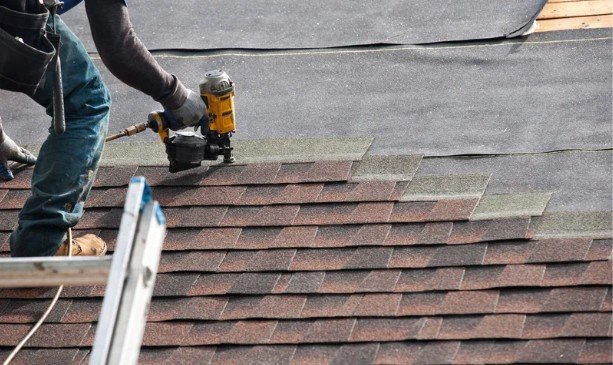
Many roofing delays are not caused by the roof itself. They are caused by access. Before the work starts, the contractor has to think about where trucks will park, how materials will be staged, where dumpsters or haul-off zones will sit, and whether there is enough room to move safely around the structure.
This becomes even more important on properties with limited driveway space, narrow side yards, fencing, landscaping, or attached structures. A well-planned job reduces the chance of bottlenecks, accidental damage, and repeated trips across the same areas. It also makes cleanup more efficient, which matters more than many people realize until the project is underway.
The Building Envelope Should Be Treated as a System
Roofing work often exposes related issues around fascia, soffit, and gutters. If those details are ignored, the job may still look finished while leaving weak points behind. Riverbend’s broader exterior expertise is useful here because roof planning can be coordinated with seamless gutters or siding work when needed.
That coordination is especially valuable when there is visible water staining, sagging gutters, deteriorated trim, or edge damage near the roofline. Addressing those items at the same time can reduce repeat disruption and help the full system work together instead of piecemeal.
When comparing roofing contractors in Davis County, Utah, ask how they plan for access, drainage, and weather on your property. A contractor’s answers should explain how the work will fit the site and your household’s needs.
Household Routines Matter More Than Most Project Timelines Admit
A roof project can affect more than the exterior. Noise, vibration, foot traffic, driveway use, pets, nap schedules, remote work, and school routines all become part of the planning process. The most effective roofing plan accounts for those realities before the crew arrives.
That does not mean the household needs to pause life for the project. It means the project should be sequenced intelligently. If a family works from home, the noisiest phases should be understood in advance. If children or pets are likely to be stressed by crew activity, access points and routine disruptions should be discussed before work begins. If a business operates from the property, customer-facing traffic may need a separate plan.
A strong pre-project conversation should cover:
- Where crew members will enter and exit
- Which parts of the property should stay clear
- When tear-off, installation, and cleanup are likely to create the most activity
- Whether vehicles need to be moved or relocated
- How pets, gates, and outdoor equipment should be managed
- Whether neighboring properties may be affected by staging or debris control
This kind of planning does not slow the project down. It usually speeds it up because fewer surprises have to be solved mid-job. Riverbend’s customer-first style is well suited to this kind of coordination, especially when the homeowner wants clarity without pressure.
Repairs, Replacements, and Tandem Projects Require Different Thinking

Not every roof problem requires a full replacement, and not every replacement should happen alone. The right choice depends on the condition of the roof, the age of the system, the extent of the damage, and whether other exterior components are already being addressed.
A transparent contractor should help compare repair and replacement options honestly. That is where on-site evaluation matters, including checking access and identifying workplace habits that lead the chronic pain discussion, such as repeated heavy lifting or awkward working positions. If damage is localized, a focused repair may be the right move. If the roof is nearing the end of its useful life or showing repeated failures, replacement may make more sense from a long-term planning standpoint.
When the roof is being replaced alongside siding or gutter work, the project can become more efficient. Coordinated scheduling may reduce duplicated setup, shorten the period of disruption, and improve how the exterior system performs as a whole. Riverbend handles this kind of tandem planning because the company works across roofing, siding, and seamless gutters, not as disconnected trades but as part of one envelope strategy.
What Strong Operators Clarify Before Work Begins
A quality plan should answer the practical questions upfront, including:
- What is being repaired versus replaced
- Whether the project is a one-time fix or part of a larger exterior sequence
- How weather might change the order of work
- What parts of the home or building will need temporary access adjustments
- What cleanup and final walkthrough will include
That level of clarity helps the property owner make decisions with fewer assumptions and fewer surprises.
The Best Roof Projects Feel Controlled Because the Plan Is Controlled
When roof work is handled well, the homeowner should feel informed rather than managed. The schedule should make sense. The access plan should protect the property. The weather timing should be realistic. The household disruption should be anticipated instead of discovered halfway through the project.
Ask the contractor how these decisions will be communicated before work begins. Riverbend’s value is not just that it performs exterior work in Davis County and the wider Intermountain West. It is that the company approaches the job as a sequence of decisions, each one affecting the next. That perspective matters when you are dealing with extreme weather patterns, building envelope details, and day-to-day life at the same time.
The long-term takeaway is straightforward. Good roofing decisions are rarely impulsive ones. They are made by matching the roof system to the climate, the property layout, and the household’s actual routine. If you plan those three pieces together, the project is far more likely to finish cleanly and perform well after the crew leaves. For property owners who want that kind of practical, pressure-free guidance, Riverbend is built for it.