

The Real Reason Clean Glass Stops Looking Clean So Quickly
Office windows can develop spots or streaks between scheduled cleanings. Dust, fingerprints, sprinkler overspray, and residue can leave different marks on the glass. Identifying the source helps a property manager decide whether the cleaning method, schedule, or surrounding conditions need attention.
The most common mistake property managers make is assuming all glass problems come from the same cause. In reality, streaks, spots, haze, and residue each point to different conditions. Some are caused by mineral deposits from water. Others come from dust, oils, or product buildup. When those sources overlap, the glass can look cloudy again long before the next scheduled cleaning.
For businesses that care about appearance, this matters more than it may first seem. Clean windows shape how a building feels from both inside and out. They influence natural light, first impressions, and the sense of care a client gets from the property. ProClean Windows understands that office window washing in Salt Lake County is not just about making glass look better for one day. It is about managing the conditions that keep glass looking dull between service visits.
Streaks Usually Reveal a Process Problem, Not Just Dirt
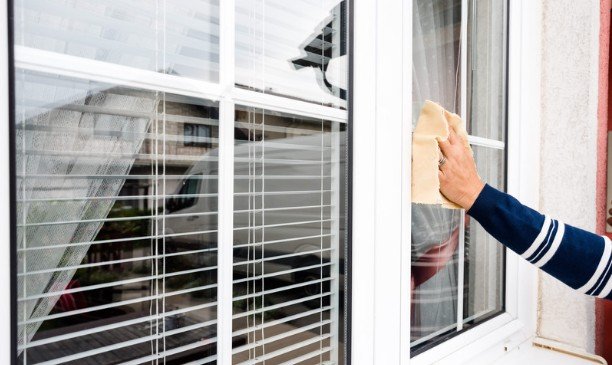
Streaks are often blamed on the glass itself, but they usually come from how the surface was cleaned or what remained behind after the previous wash. If the cleaning solution was not fully removed, or if the water used contained enough minerals to dry unevenly, the result can look worse than before.
What Streaks Often Mean in Practice
A streak is usually a sign that something was dragged, dried, or left behind on the pane. In commercial buildings, the most common reasons include:
- Mineral-heavy water drying on the glass
- Cleaning solution that was not fully wiped or squeegeed away
- Dirty microfiber cloths or tools that redistributed residue
- Rapid drying from sun exposure or airflow
- Overlapping passes that left thin lines of moisture
These issues can happen on both interior and exterior glass. Exterior windows face direct weather exposure, so streaking may appear after rain, sprinkler overspray, or dusty wind. Interior glass can streak too, especially near HVAC vents or in busy areas where cleaners must work quickly around occupied spaces.
ProClean Windows uses commercial-grade equipment and solutions designed to reduce this kind of visible residue. The goal is not simply to clean the surface once, but to leave it balanced and uniform so light passes through evenly.
Spots and Specks Come From Different Sources Than Streaks
Spots are not the same as streaks, and that distinction matters. A streak tends to suggest movement across the glass. Spots often suggest something landed on the surface and dried there. In office environments, that can be anything from water droplets to dust, grease, or airborne particles that settle over time.
Exterior office windows are especially vulnerable to this problem. Weather can leave behind small mineral marks. Nearby landscaping, road dust, and building runoff can create tiny patches that are easy to miss until sunlight hits the glass at the right angle. Once that happens, the window may look clean from a distance but visibly marked up close.
Inside the building, spots often come from touchpoints. Fingerprints around entrances, conference rooms, reception areas, and glass partitions build up faster than many business owners expect. Even if the windows were cleaned recently, repeated contact can create a scattered pattern that reads as neglect rather than normal use.
That is why combining interior and exterior glass cleaning is so important. Cleaning only one side may improve the view, but it does not solve the full appearance problem. ProClean Windows approaches the issue from both directions because the visual result depends on the whole pane, not just the side people notice first.
Residue Builds Up When Glass Is Cleaned in Isolation

Residue is the slowest problem to show itself, but it can have the biggest effect on how a building looks over time. Unlike a fresh streak or a single spot, residue creates a thin film that softens the clarity of the glass. It is often easiest to notice in bright light or when comparing one window to another.
Why Residue Lingers Between Cleanings
Residue tends to remain when repeated cleaning cycles do not fully remove the sources of buildup. A few examples are common in office settings:
- Dust from interior airflow settles on the glass and edges
- Oils from hands and daily contact leave a fine film
- Environmental buildup accumulates on exterior panes
- Previous cleaning products are not fully removed
- Hard-water minerals bond to the surface after drying
A window can look acceptable immediately after service and still develop visible residue days or weeks later if the surrounding environment is heavy with dust, pollen, or mineral exposure. That does not mean the service failed. It means the glass is operating in a building with real environmental pressure.
This is where maintenance planning matters. ProClean Windows often sees better long-term results when businesses move from one-off cleanings to a regular schedule. A predictable plan helps prevent the layering effect that makes residue harder to remove later.
What Strong Commercial Window Care Looks Like Over Time
Good window cleaning is not just about frequency. It is about matching the cleaning method to the building’s actual conditions. A small office with limited sun exposure will not behave the same way as a large commercial property with high-access exterior glass and heavy traffic at the entrance. In healthcare settings, window cleaning must also be coordinated with facility procedures, including safe medical waste disposal, to keep access routes clear and avoid disrupting designated handling areas.
For that reason, smart maintenance should account for three things: what is causing the buildup, where the buildup appears first, and how quickly it returns. Exterior windows exposed to weather may need a different cadence than interior partitions or lobby glass. The best service plans reflect that difference instead of treating every pane the same.
ProClean Windows builds service around those practical variables. That includes the square footage of glass, the accessibility of the building, and the type of property involved. For property managers, that kind of structure matters because it makes the service easier to plan and easier to budget around. It also reduces the chance of surprise issues tied to high-access window cleaning or awkward problem areas that are hard to address with standard tools.
The most effective commercial maintenance programs tend to do four things well:
- Remove both interior and exterior buildup before it becomes layered
- Use commercial-grade solutions that do not leave obvious film behind
- Address hard-to-reach surfaces safely and consistently
- Keep a regular schedule that prevents visible decline between visits
That approach is especially useful for office buildings where appearance affects both client confidence and employee experience. Clear glass helps the space feel brighter, cleaner, and more intentional.
Why This Matters to Business Owners and Property Managers

The practical reason to care about streaks, spots, and residue is not perfection. It is control. A building that looks clean but not maintained can send mixed signals. Visitors may not consciously analyze the glass, but they do notice whether the property feels cared for.
This is why businesses often look for a provider that understands both presentation and operations. ProClean Windows brings that perspective to commercial glass care. The company serves offices and other commercial properties across Northern and Central Utah counties, with service tailored to the realities of weather exposure, traffic, and building access. That matters because the problems that show up on glass are rarely random. They are usually tied to the environment and the schedule around the building.
For businesses comparing service options, the question should not be, “Can someone make the windows look clean today?” The better question is, “Can the service reduce the reasons the windows keep showing the same problems between cleanings?” That is the difference between a short-term fix and a maintenance strategy.
If you want a better view of what professional commercial care can address, review ProClean Windows’ commercial window cleaning services and consider how a consistent plan could support your building’s appearance over time.
The Long-Term Takeaway: Clean Glass Is a Maintenance System, Not a One-Time Event
Office windows show streaks, spots, and residue between cleanings because the building keeps working against the glass. Weather, dust, fingerprints, runoff, and interior air movement all leave their mark. Once you understand that, the solution becomes clearer: more consistent care, better technique, and a service plan that matches the property.
That is the value of working with ProClean Windows. The right cleaning approach does more than remove what is visible today. It makes the next buildup less obvious, the next cleaning more effective, and the overall appearance of the building more reliable.
If your office glass is losing clarity too quickly, the issue is probably not just the last cleaning. It is the pattern around the cleaning. A thoughtful maintenance schedule can change that.