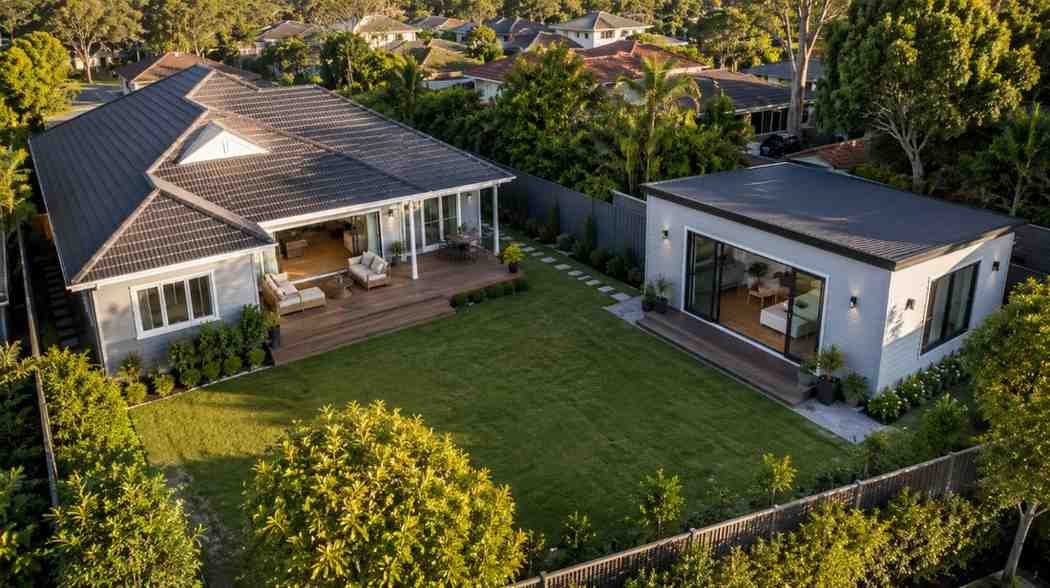
A large residential landscape needs a maintenance plan that identifies what work is required, when it is needed, and who is responsible. A general promise to keep the grounds looking good can conceal different expectations about pruning, irrigation, seasonal care, and repairs.
Begin with an inventory of major areas and features. Include lawns, planting beds, trees, hardscape, water features, and irrigation where present. Note areas that require specialist care or have recurring issues. The plan should reflect the actual property rather than a standard schedule applied everywhere.
Separate routine work from specialist decisions
Ask which tasks are included in regular visits and which require separate approval. Discuss how crews report leaks, plant decline, damage, or safety concerns. Some work, such as significant tree assessment, may need a qualified specialist rather than routine maintenance staff.
When arranging estate landscape maintenance in Austin, establish priorities and a clear communication process. Request records of important applications, irrigation changes, and recommended follow-up. Review the plan seasonally and after substantial landscape changes. A useful agreement makes the work visible and gives the owner enough information to approve larger decisions without managing every visit. The aim is consistent care that preserves function and responds to the property’s changing needs.
Ask for a sample report from a routine visit, with any private details removed. It can show how the provider records completed work, identifies concerns, and requests approval. Compare the reporting process with the level of oversight you want rather than assuming more frequent messages always mean better service.
Decide which issues should be reported immediately and which belong in a regular review. Clarify who can authorize nonroutine spending and how the property will be managed when the usual contact is unavailable. Keep changes to the landscape inventory current after substantial work. A maintenance agreement is easier to use when its records reflect the actual grounds and its communication process matches the owner’s responsibilities.
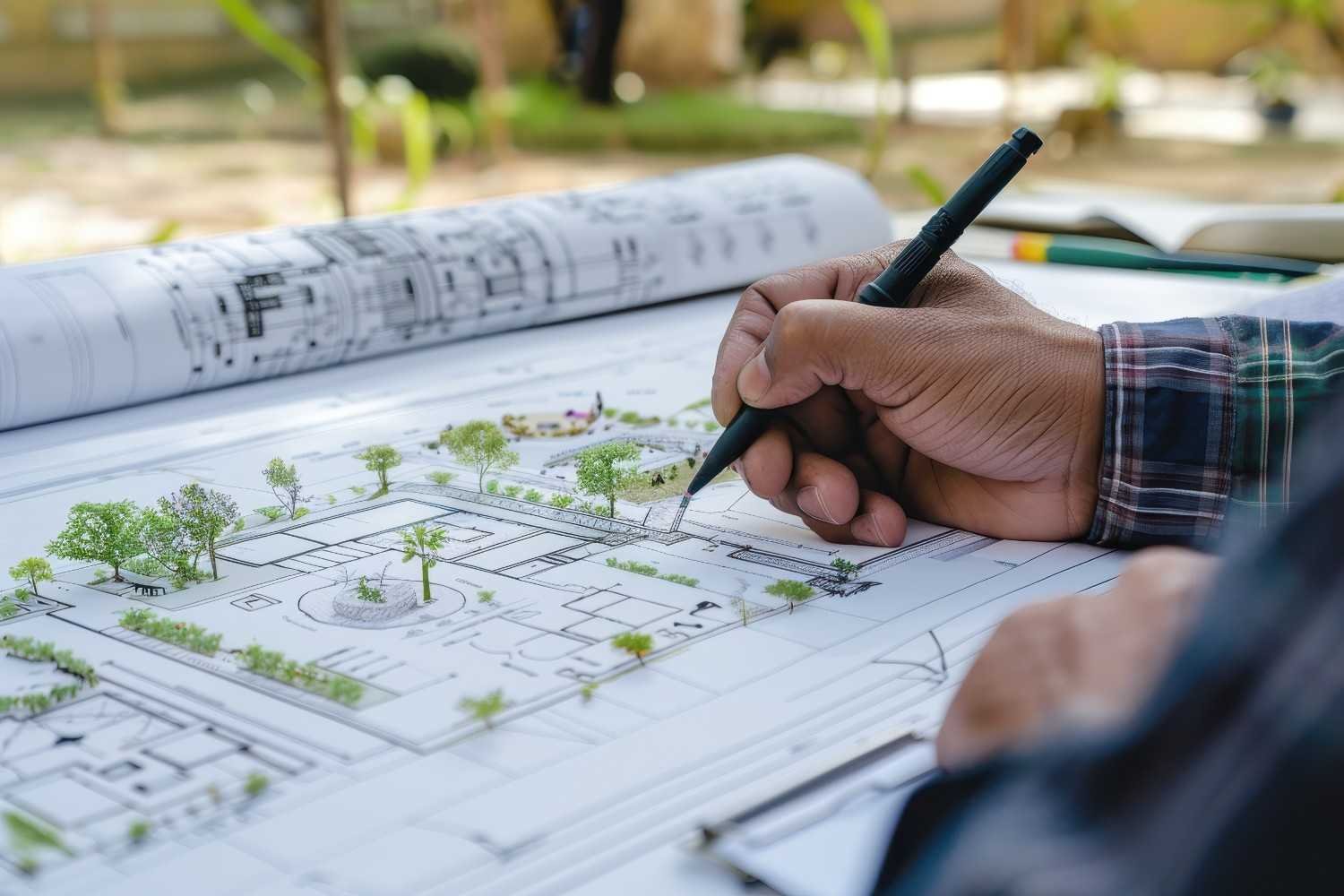
Read the site before choosing features
Spend time observing the property under ordinary conditions. Notice where people walk, where water collects, which areas receive strong afternoon sun, and how equipment reaches the yard. A design that overlooks these details may be attractive on paper but inconvenient to use. This early observation can also guide waterwise landscaping ideas, especially when deciding where drought-tolerant plants, efficient irrigation, or lower-water-use areas will work best.
Existing trees, utilities, drainage routes, and access restrictions can shape what is practical. Share known property information with the designer and ask which conditions need field verification. Do not assume a boundary shown in an informal sketch is a surveyed property line. Clarifying these constraints early helps avoid placing improvements where they interfere with other needs.
Discuss construction and long-term care together
The installation budget is only part of the decision. Ask what the landscape will require during establishment and after it matures. Watering, pruning, cleaning, seasonal service, and replacement needs affect both cost and daily effort. An elaborate feature may be a poor fit if nobody has time to maintain it.
Construction sequencing matters, too. Heavy equipment can damage finished surfaces or compact soil. Underground work may need to happen before paving and planting. Have the project team explain the sequence and identify anything that should be prepared now for a later phase. This can reduce avoidable disruption without committing to every feature immediately.
Questions to include in the plan
- How will the area be used during a normal week?
- Where will runoff go after the work is complete?
- What maintenance will the owner handle personally?
- Which existing plants or surfaces need protection?
- What access will future repairs and seasonal service require?
Check the plan against everyday use

Imagine carrying groceries outside, moving furniture, bringing a hose through the space, or taking equipment to the far side of the property. These small routines expose narrow passages, awkward storage, and poorly placed obstacles. Review the design with everyone who regularly uses or maintains the yard.
Before construction, confirm which drawings and selections are approved and how changes will be documented. After installation, request care instructions and information about installed components. Keep a record of underground routes when available. The most useful landscape plan accounts for how the property will function, how it will be maintained, and how it can adapt when household needs change.
Photographs taken at different times of day can help explain conditions that are hard to capture during one site visit. Label them with the location and the issue you want to discuss. If the work crosses seasons, ask which decisions depend on weather, planting conditions, or material availability. A proposed calendar should account for those dependencies rather than simply naming a completion date. Keep future access in mind so a later service visit does not require dismantling a finished part of the landscape.
Contact Southern Landscape to discuss a maintenance scope, reporting process, and responsibilities suited to your property.